How to Detect and Repair a Water Leak Under a Concrete Floor
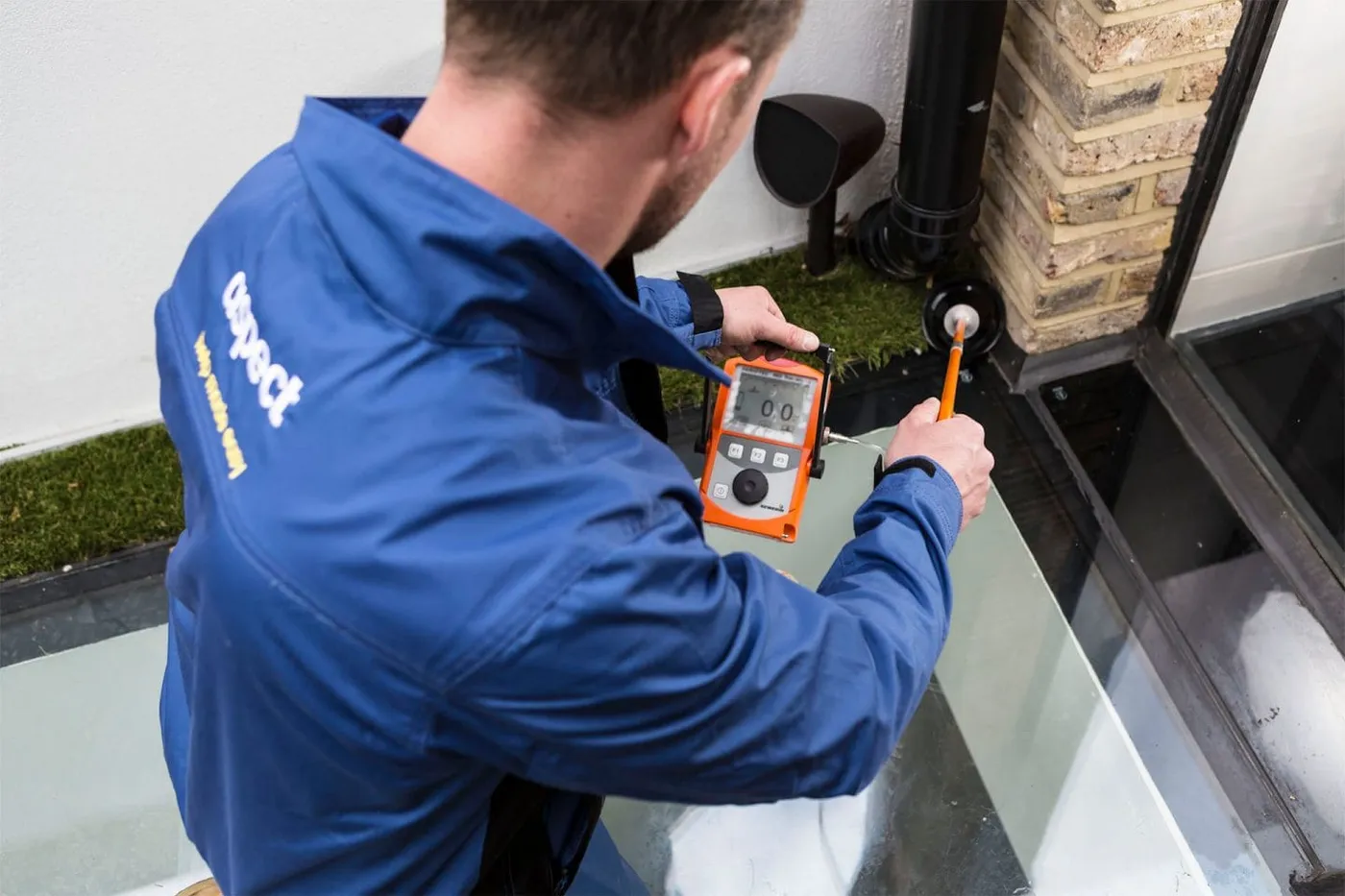
A precise guide on the technical methods our engineers use to locate and repair water leaks hidden beneath concrete floors with minimal disruption.
The Technical Challenge of Sub-Slab Leaks
Water leaks beneath a concrete slab present a significant technical challenge for property managers and landlords. The slab acts as an effective barrier, concealing the source and extent of the leak while allowing water to migrate laterally, potentially affecting structural integrity and creating damp conditions. Our approach prioritises precision to minimise invasive excavation and associated costs. We rely on a diagnostic process that first confirms a leak exists, then precisely maps its location before any repair work begins.
Precision Detection Methodologies
Our engineers deploy a suite of non-invasive and minimally invasive technologies to pinpoint leaks without unnecessary damage. Acoustic or listening devices are often the first line of investigation. These sensitive instruments detect the distinct sound frequencies of water escaping under pressure from pipes beneath the slab, even through several inches of concrete. For non-pressurised leaks or to confirm findings, we utilise tracer gas detection. An inert, harmless gas is introduced into the pipework; our highly sensitive gas detectors scan the slab surface to locate the precise point of egress, which correlates directly with the leak location.
In cases involving underfloor heating systems or where temperature differentials exist, thermal imaging cameras can provide valuable visual data. These cameras map surface temperature variations on the concrete, which may indicate the path of escaping warm water or the cooling effect of a leak. It is important to note that thermal imaging is often used in conjunction with other methods to build a comprehensive diagnostic picture, as it can indicate areas of interest rather than providing absolute confirmation alone.
Targeted Repair and Verification
Once the leak location is pinpointed with technical certainty, we plan a targeted repair. The objective is to excavate the smallest possible section of concrete. Using concrete saws or breakers, our engineers create a precise access point directly over the compromised pipe section. Following repair or replacement of the faulty pipe segment, we conduct a rigorous pressure test on the reinstated system to verify the integrity of the repair. Only after passing this verification is the excavation backfilled and the concrete reinstated, ensuring the repair is both precise and durable.
For landlords and commercial property managers, this methodology of precise detection followed by surgical repair minimises tenant disruption, reduces restoration costs, and preserves the asset's value. It transforms a potentially destructive search into a controlled, technical operation. We recommend proactive investigation at the first sign of unexplained water meter movement, damp patches, or mould growth at skirting board level, as early detection invariably simplifies the resolution process.
Frequently asked questions
Can you definitely find a leak under a concrete floor without breaking it up?
Our engineers use a combination of acoustic, tracer gas, and thermal detection technologies to locate leaks with a very high degree of certainty. The goal is to identify the precise point of failure so that any necessary excavation is minimal and targeted, avoiding exploratory demolition.
What is the most accurate method for finding a leak under a slab?
Tracer gas detection is often considered the most precise method for pinpointing leaks under concrete. The inert gas follows the leak path to the surface, where our sensitive detectors can locate its exact exit point, providing a clear target for repair even in complex, multi-layered sub-floors.
How disruptive is the repair process once the leak is located?
By using precise detection to limit excavation to a small, targeted area, we significantly reduce disruption. The repair involves breaking only a confined section of concrete, fixing the pipe, and reinstating the surface. This focused approach minimises downtime, repair costs, and restoration work for landlords and tenants.