Leak Under Kitchen Sink: Immediate Actions & Precise Diagnosis
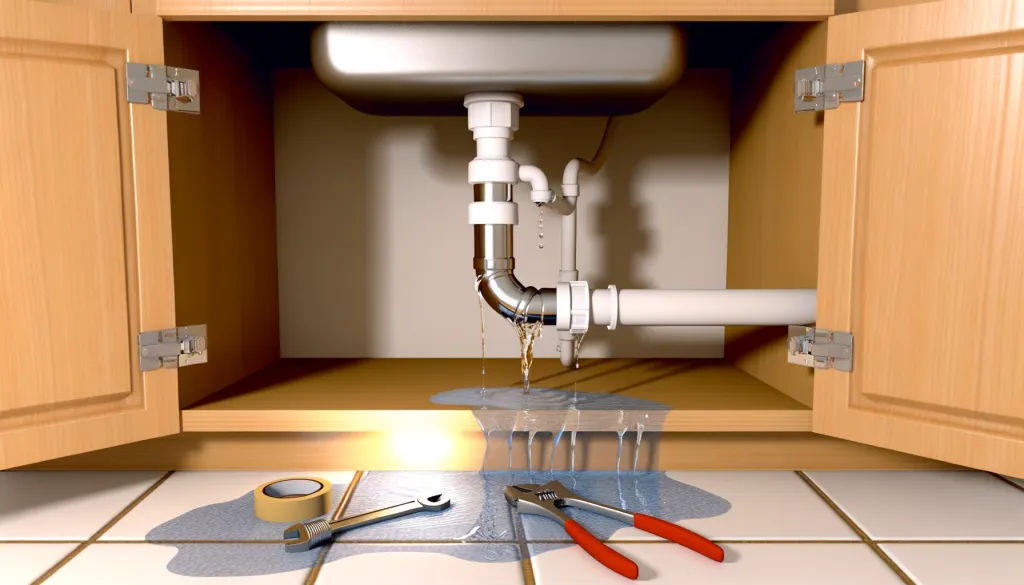
A leak under a kitchen sink demands a systematic approach to isolate the source and prevent water damage. We outline the precise steps for initial containment and diagnosis.
Systematic Initial Response to a Kitchen Sink Leak
Discovering a leak under your kitchen sink requires immediate, methodical action to mitigate damage and prepare for a professional diagnosis. First, clear the cabinet of all contents to assess the extent of pooling and protect stored items. The primary control action is to shut off the water supply. Locate the two isolation valves—typically small quarter-turn valves—on the wall behind the sink, one for hot and one for cold water. Turn both clockwise to the closed position. If these valves are absent or faulty, you may need to shut off the main water supply to the property. This step is non-negotiable for preventing further water ingress.
After isolating the water, place absorbent towels or a shallow container to catch any residual drips. Do not use the sink or any connected appliances, such as a dishwasher, until the leak is resolved. Visually inspect the area around the trap (the U-shaped pipe) and supply lines for obvious signs of active dripping or corrosion. This initial containment creates a stable environment for our engineers to perform a precise diagnosis without the variable of running water.
Precision Diagnosis of Common Leak Sources
With the water supply secured, a targeted inspection can begin. The most frequent culprits are worn compression fittings, degraded rubber washers, or hairline cracks in plastic components. We focus on a sequential check of all connection points. Start at the flexible supply lines connecting the shut-off valves to the faucet tails; inspect the braided hose for bulges and the compression nuts for tightness. Next, examine the basket strainer seal—the large nut beneath the sink drain. This seal can fail due to loosening over time or degradation of the plumber's putty or rubber gasket.
The P-trap is a critical examination point. We check for cracks in the plastic, but more commonly find leaks at the slip-nut connections at both ends. These rely on a plastic or nylon compression washer, which can become brittle. A methodical approach involves drying all pipes and joints thoroughly, then briefly restoring water pressure (if valves are reliable) to observe the exact origin of a fresh bead of water. For persistent, intermittent leaks, our technicians often employ electronic listening sticks to detect the sound of water under pressure escaping from a micro-fracture not visible to the naked eye.
When Professional Leak Detection is Essential
If the source is not immediately apparent at the visible fixtures, the issue may be more complex. A leak that appears under the sink can sometimes originate from a faulty seal where the sink meets the countertop, with water travelling down the cabinet sides. Similarly, a blockage or crack in the waste pipe further down the line can cause back-pressure and leakage at the trap connections. In commercial settings, high-use fixtures experience accelerated wear, making precise diagnosis vital for choosing the correct, durable replacement parts.
Our engineers utilise a toolkit designed for precision, including digital moisture meters to map the extent of hidden water migration behind cabinet panels and borescopes for visual inspection inside wall cavities if a supply line leak is suspected. For landlords, this technical specificity in our reports provides clear evidence for insurance claims and informs the most effective, long-term repair strategy, moving beyond a simple washer replacement to address root causes like pipe misalignment or material fatigue.
Frequently asked questions
I've tightened everything, but a drip persists. What could it be?
Persistent dripping after tightening connections often indicates a failed internal seal or a hairline crack. Over-tightening compression fittings can crack plastic nuts or deform washers. The issue likely resides in a component like the basket strainer washer or a supply line valve seat, which requires disassembly and replacement by a technician with the correct OEM parts.
As a landlord, what should I document before calling a professional?
Document the initial state thoroughly. Take clear photographs of the leak area, any visible water damage on the cabinet floor or walls, and the configuration of pipes and valves. Note the brand and model of the sink and faucet if possible. This information accelerates our diagnosis and provides essential evidence for any subsequent insurance or maintenance claims.
Can a leak under the sink cause damage elsewhere in the property?
Yes. Water can migrate along pipework, subflooring, and down wall cavities, causing damage distant from the source. This is a particular risk in multi-unit commercial or residential buildings. Our detection process includes moisture mapping to identify the full extent of water travel, ensuring remediation is complete and preventing mould growth or structural weakening.