Drying Out Your Home After a Water Leak: A Technical Guide
Effective post-leak drying requires a methodical, technology-driven approach to prevent hidden damage and mould. Our guide details the process from initial assessment to verification.
The Critical Role of Systematic Drying
Following a successful leak detection and repair, thorough drying is a non-negotiable technical process. For landlords and commercial property managers, incomplete drying compromises structural integrity, invites mould, and violates duty-of-care obligations. Our approach is grounded in precise moisture measurement and controlled dehumidification, moving beyond simple airing-out to a verifiable scientific procedure.
Phase One: Assessment and Moisture Mapping
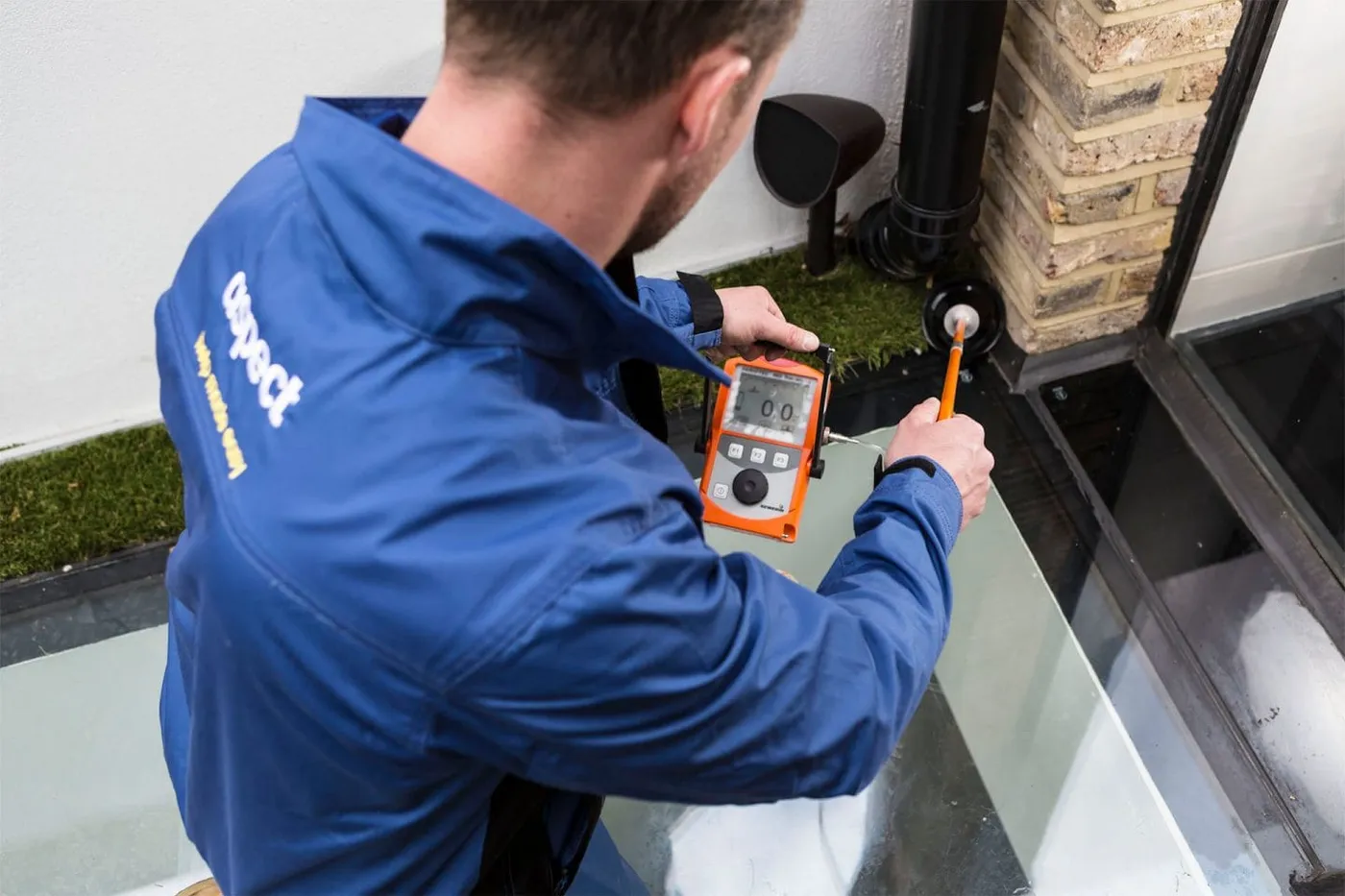
The process begins with a comprehensive assessment using professional-grade tools. Our engineers utilise deep-probe moisture meters to measure saturation levels within wall cavities, subfloors, and structural timbers, not just surface moisture. Thermal imaging cameras are often deployed to visualise the full extent of water migration, which is frequently far greater than the visible damp patch. This data creates a precise 'moisture map' of the affected zones, establishing baseline readings and defining the target areas for drying equipment.
Phase Two: Strategic Equipment Deployment
Based on the moisture map, we select and position industrial-grade equipment. For large-scale water removal, high-volume air movers are strategically angled to create a laminar airflow across wet surfaces, dramatically increasing evaporation rates. To capture this liberated moisture vapour, we deploy refrigerant or desiccant dehumidifiers. The choice depends on ambient conditions: refrigerant units excel in warmer environments, while desiccant dehumidifiers are more effective in cooler temperatures or where very low specific humidity is required. This equipment runs continuously in a controlled, often sealed, environment to maximise efficiency.
Phase Three: Monitoring and Verification
Drying is not a set-and-forget operation. Our engineers monitor progress through scheduled return visits, using moisture meters to track the decline in readings across all previously identified points. The goal is to bring materials to their equilibrium moisture content (EMC), matching the surrounding unaffected areas. We only consider the process complete when verification scans with thermal imaging and moisture meters confirm a uniform, dry state. This documentation provides landlords and commercial clients with a clear audit trail for insurance and compliance purposes.
Avoiding Common Post-Leak Pitfalls
A major risk is ceasing the drying process prematurely. Surface dryness is deceptive; moisture trapped within concrete screeds or behind plasterboard can wick back out, causing secondary damage and mould growth days or weeks later. Similarly, using inadequate domestic-grade dehumidifiers for significant water events is ineffective. For complex leaks involving contaminated water (Category 2 or 3), specialised sanitisation protocols must be integrated with the drying process, a service our technicians are trained to provide.
Frequently asked questions
Why can't I just use fans and open windows to dry out after a leak?
While ventilation helps, it is not a controlled or measurable method. It relies on external weather conditions and does not actively remove moisture vapour from the air. For thorough structural drying, especially in hidden cavities, industrial dehumidifiers are essential to systematically lower the dew point and extract moisture, providing a verifiable result.
How long does professional drying typically take?
The duration is entirely dependent on the initial severity, the materials affected, and environmental conditions. A small, localised leak may be resolved in 24-48 hours, while a significant flood affecting deep structural elements can take several days. Our monitoring process ensures we continue until verified dryness is achieved, not for a predetermined time.
What are the signs that drying was incomplete and mould may develop?
Tell-tale signs include a persistent musty odour, visible efflorescence or discolouration on walls, and soft or buckling floorboards. These often indicate residual moisture. The only reliable way to confirm complete drying is through post-process verification with professional moisture meters, which is why we include this as a standard final step in our service.