How to Find a Central Heating Leak: A Technical Guide to Detection Methods
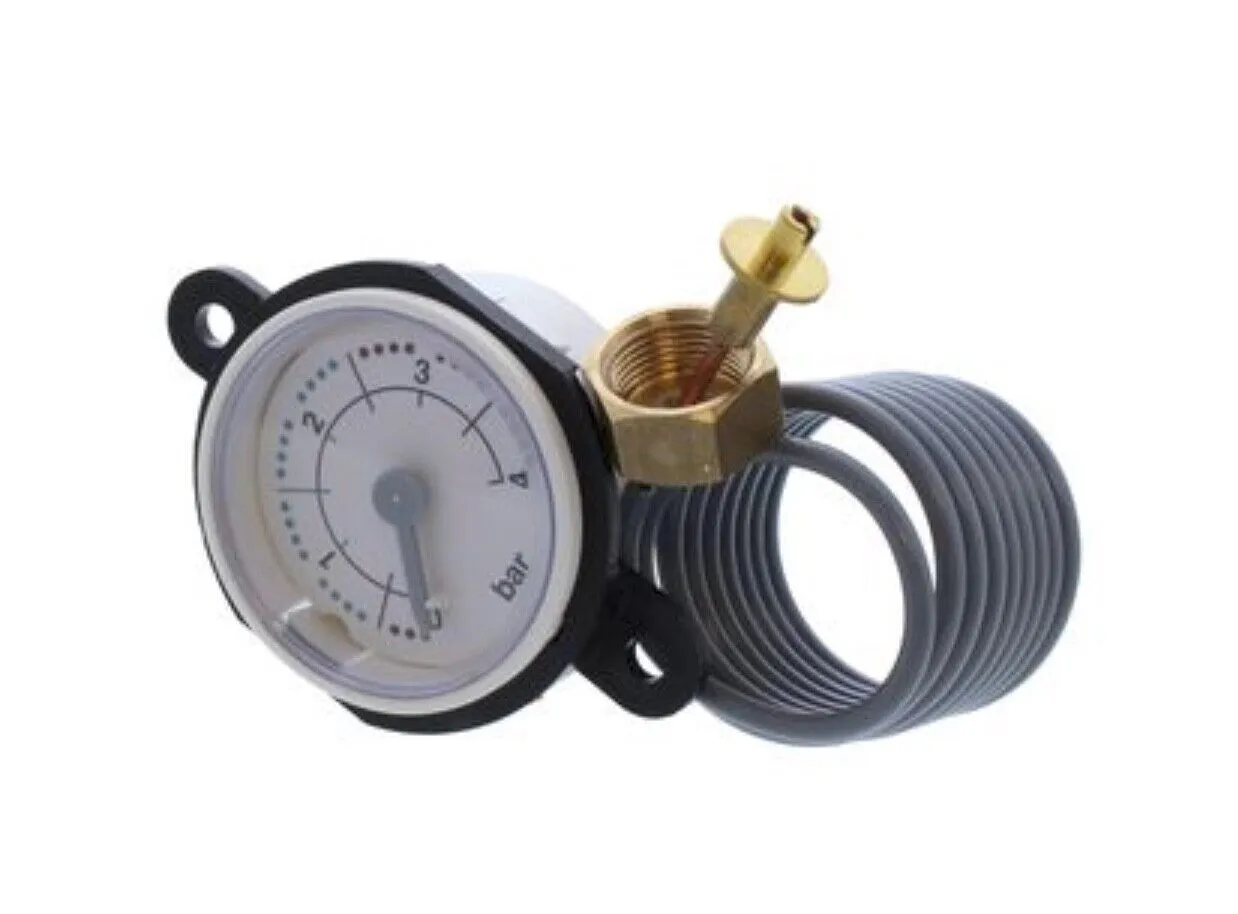
A guide to systematic central heating leak detection, covering pressure testing, thermal imaging, and acoustic listening for precise location identification.
Systematic Approaches to Leak Detection
Identifying a leak within a pressurised central heating system requires a methodical, technical approach. The primary symptom is a consistent drop in system pressure, requiring frequent re-pressurisation via the filling loop. For landlords and facility managers, addressing this promptly is crucial to prevent structural damage, mould growth, and excessive energy costs from a boiler constantly heating make-up water. Our detection process begins with isolating the problem, confirming the leak is within the pipework or components rather than at the boiler's pressure relief valve or heat exchanger.
Core Detection Techniques
The cornerstone of precise leak location is a static pressure test. We isolate the boiler and drain-down points, then pressurise the heating circuit using specialised equipment. Monitoring the pressure gauge over a set period reveals if and how quickly pressure decays, confirming an active leak. Following confirmation, our engineers employ non-invasive technologies to pinpoint the exact location without unnecessary destructive searching.
Thermal imaging cameras are highly effective for leaks under floors or within walls. As the system is heated, escaping hot water creates a distinct thermal signature visible on the camera's display, even through surface materials. For pressurised leaks, acoustic or ultrasonic listening devices are deployed. These sensitive instruments amplify the high-frequency sound of water escaping under pressure, allowing our engineers to trace the sound to its source with remarkable accuracy, often distinguishing it from background pipe noise.
In complex commercial installations or where other methods are inconclusive, tracer gas detection provides a definitive solution. We inject an inert, non-toxic hydrogen-based gas into the drained system. This gas, lighter than air, permeates through floor coverings and structures at the leak point. Using a highly sensitive gas sniffer, we can trace the precise emission point, a method particularly valuable for leaks in concrete slabs or complex pipe routes.
Post-Detection Protocol
Once the leak is precisely located, we provide a clear report detailing the methodology used and the exact coordinates of the fault. For landlords, this documentation is vital for insurance purposes and for instructing repairs with minimal disruption. The repair strategy—whether a sectional pipe replacement, a joint reseal, or a component swap—can then be planned efficiently, avoiding exploratory damage. We always recommend a final pressure test post-repair to verify the integrity of the entire circuit, ensuring the system is returned to optimal, leak-free operation.
Frequently asked questions
What is the first sign my central heating system has a leak?
The most common initial indicator is a persistent need to re-pressurise the boiler via the filling loop. If the system pressure drops consistently over days or weeks, it strongly suggests water is escaping from the circuit, not just normal expansion and contraction.
Can thermal imaging find any heating leak?
Thermal imaging is highly effective for active leaks, especially when the system is warm and the escaping water creates a temperature differential. It is less effective for very slow leaks or if the leak is in a pipe surrounded by thermally conductive material like metal ducting, where acoustic or tracer gas methods may be superior.
Why use tracer gas instead of just checking for damp patches?
Damp patches are a late-stage symptom and may appear far from the actual leak due to water tracking along pipes or structures. Tracer gas detection is a proactive, precise technology that pinpoints the exact breach point before significant water damage occurs, enabling targeted, minimal-disruption repairs—essential in tenanted or commercial properties.