Diagnosing and Resolving Radiator Leaks: A Technical Guide for Landlords and Property Managers
A technical breakdown of common radiator leak causes, from pressure imbalances to component fatigue, and the systematic diagnostic approach required for a lasting repair.
Systematic Diagnosis of Radiator Leak Sources
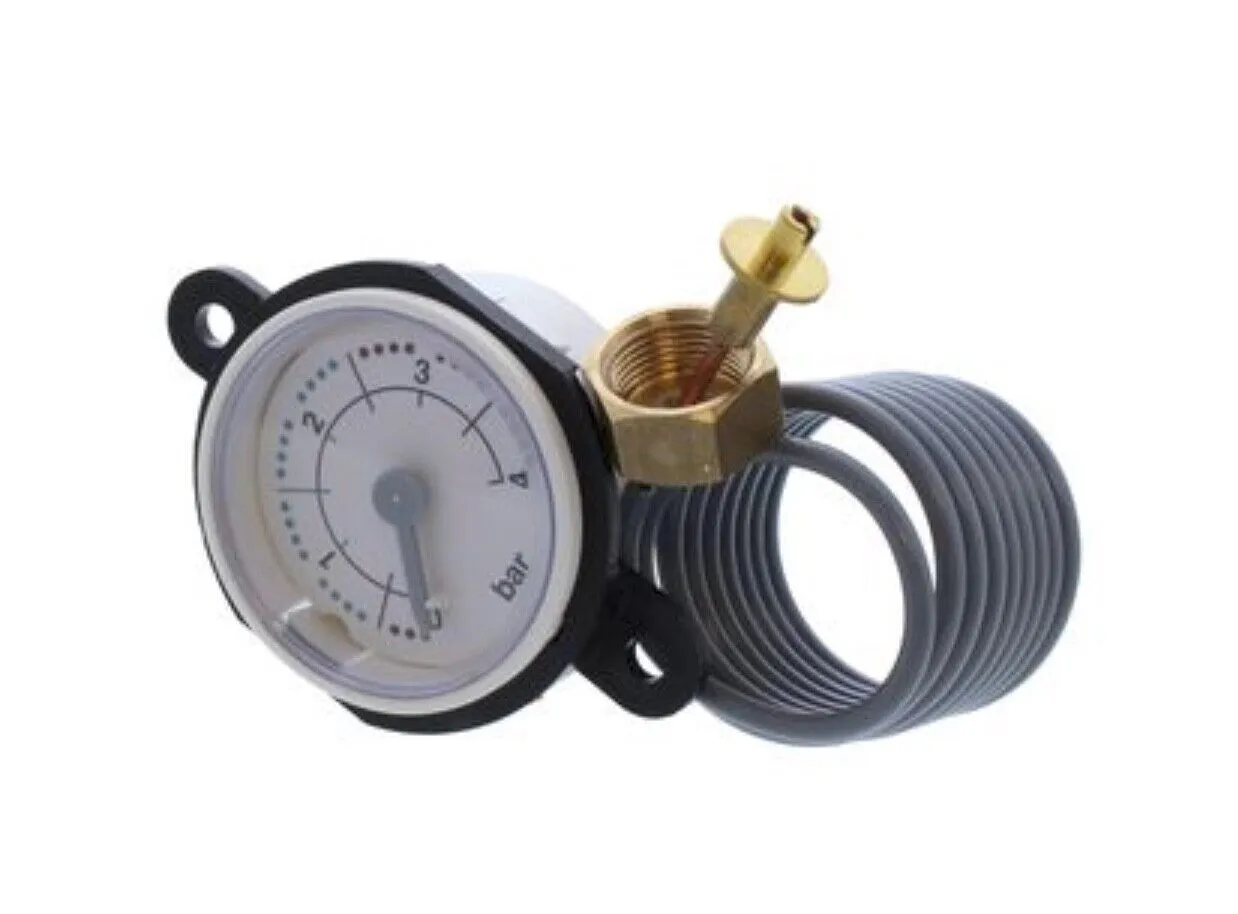
Effective leak resolution begins with precise diagnostics. Our engineers approach radiator leaks by first isolating the pressure system. We verify central heating pressure at the boiler's gauge; a persistent drop often indicates a leak, not just routine pressure loss. The primary leak loci are valve stem packings, radiator seam corrosion, and the pin-hole corrosion at the base of panel radiators. We employ systematic isolation testing, closing inlet and outlet valves to determine if the leak persists, which confirms whether the fault lies in the radiator body or its connected piping.
Technical Analysis of Common Failure Points
Corrosion is a primary failure mechanism, accelerated by system oxygen ingress due to faulty feed-and-expansion tanks or incompatible metals within the circuit. We frequently identify leaks at the threaded tail connections behind the valve, where dissimilar metal contact or inadequate jointing compound has failed. Thermostatic Radiator Valve (TRV) spindle seals are another common point; the gland nut seal can degrade, allowing weeping under system pressure. For commercial installations, repeated thermal cycling can stress-solder joints on older installations, leading to fatigue failures that are not visible during static, cold inspections.
Pin-hole leaks in the steel panel itself are a terminal failure sign, typically resulting from prolonged internal corrosion. While temporary sealants are marketed, they are contraindicated for managed properties as they contaminate the system and mask underlying corrosion activity, risking multiple future failures. The only reliable repair for panel corrosion is replacement. For leaks at valve connections, our protocol involves draining the local circuit, disassembly, cleaning of mating surfaces, and re-sealing with appropriate jointing material, followed by a repressurisation and thorough leak test.
Precision Repair Protocols and System Integrity
Following leak isolation, our repairs focus on longevity and system health. For valve stem leaks, we tighten or repack the gland nut with high-temperature sealant, ensuring the valve remains operable. When replacing a radiator, we conduct a system power flush to remove magnetite sludge, which is often the corrosive agent that caused the initial failure. This step is critical for landlords to prevent a cascade of subsequent leaks across the portfolio. Post-repair, we recommission the system with a corrosion inhibitor at the correct concentration, a vital step for asset preservation often omitted in non-specialist repairs.
We recommend a proactive inspection regime for commercial portfolios. This includes annual checks of system pressure stability, visual inspection for minor weeping at valves, and monitoring for cold spots on radiators which indicate internal sludge buildup preceding corrosion. Using thermal imaging cameras, we can non-invasively identify early-stage leaks and moisture ingress within walls from leaking radiator valves, preventing significant secondary damage. This technical, precision-based approach transforms leak response from a reactive cost centre into a managed component of property maintenance.
Frequently asked questions
Can a leaking radiator valve be repaired without draining the whole system?
In many cases, yes, through localised isolation. Our engineers close both the radiator's inlet and outlet valves, which isolates that single unit. A small drain-off is then performed directly from the radiator's bleed point, allowing us to depressurise and repair the faulty valve connection without affecting the rest of the heating circuit, minimising downtime for tenants.
What does a pin-hole leak in the radiator panel indicate?
A pin-hole leak typically signifies advanced internal corrosion, often caused by oxygen corrosion within the sealed system or aggressive sludge (magnetite) abrasion. It is a terminal failure of that panel. Replacement is the only reliable remedy. Crucially, it also indicates potential systemic issues; we always recommend a system water quality assessment and power flush to protect other radiators in the installation.
How do you differentiate between a radiator leak and a general system pressure loss?
We conduct a static pressure test. The system is pressurised to its normal operating level, then all boiler and pump activity is halted. We monitor the pressure gauge over several hours. A consistent drop points to a active leak. Isolating individual radiators in sequence during this test allows us to pinpoint the faulty unit. General, minor pressure loss over months is common, but a repeatable drop over hours requires technical investigation.