Boiler Losing Pressure: A Technical Guide to Causes and Resolution
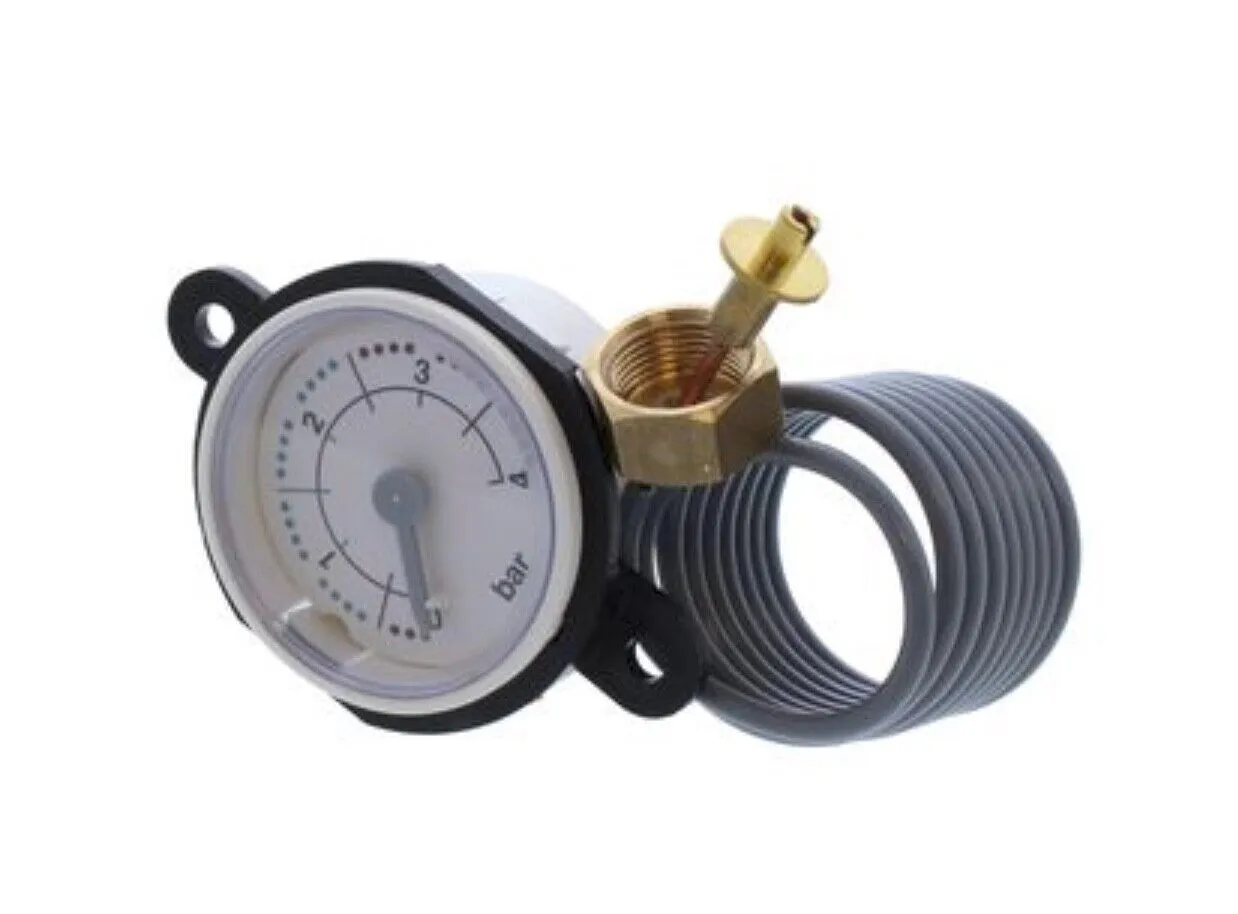
A systematic, technical breakdown of the common and complex reasons for boiler pressure loss, from leak detection methodologies to component failure analysis, tailored for property professionals.
Understanding the Pressure System
Modern combi and system boilers operate within a sealed heating circuit, requiring a stable pressure range, typically between 1 and 1.5 bar when cold. A consistent drop outside this parameter indicates a system integrity failure. For landlords and facility managers, understanding this is not merely about topping up; it is a diagnostic signal of underlying issues that can affect compliance, tenant comfort, and asset longevity. Our approach treats pressure loss as a symptom, not the fault itself.
Primary Technical Causes and Diagnostic Pathways
The loss of pressure fundamentally stems from either a leak in the hydronic system or a failure of a pressure-regulating component. Our engineers follow a methodical diagnostic tree to isolate the fault. The first and most common cause is a leak within the pipework, radiators, or boiler internals. These can be overt, but are often concealed within floors, ceilings, or walls. We employ electronic leak detection, using sensitive acoustic probes to pinpoint the sound of water escaping under pressure, and thermal imaging cameras to identify temperature differentials caused by damp patches or escaping water, even before visible damage occurs.
The second major category involves component failure. A faulty pressure relief valve (PRV) may discharge water externally via the overflow pipe. A failing expansion vessel, where the internal diaphragm has degraded, cannot accommodate the expanded heated water, causing the system pressure to spike and subsequently drop via the PRV. Corrosion within the heat exchanger can also create minute leakage points. Diagnosing these requires system isolation tests and pressure gauging at specific test points to assess vessel pre-charge and valve seat integrity.
Systematic Fixes and Professional Resolution
Effective resolution is predicated on accurate diagnosis. For confirmed leaks, our repair strategy is precise. For accessible pipework, we perform a sectional repair or replacement. For concealed leaks, our pinpoint detection minimises invasive searching, allowing for targeted access and repair, preserving property fabric. This is critical in tenanted and commercial spaces to minimise disruption.
For component failures, replacement with compatible parts is standard. A recharged or new expansion vessel, a replacement PRV, or in cases of a compromised heat exchanger, a boiler-specific repair is executed. Crucially, after any repair, we conduct a full system repressurisation to manufacturer specification and a prolonged pressure test to confirm the integrity of the fix. For landlords, we provide a detailed report outlining the fault found, the methodology used for detection, the repair carried out, and post-repair pressure readings for your maintenance records.
Persistent, intermittent pressure loss without an obvious leak often points to more complex issues like air ingress or a recurring fault in the automatic air vent or filling loop. These require advanced diagnostic steps, such as checking for hydrogen buildup due to corrosion (indicative of system water quality issues) or testing the differential pressure across the system. A systematic, technically-grounded approach is the only way to achieve a permanent resolution and prevent callbacks.
Frequently asked questions
Can I just keep topping up the boiler pressure myself?
While manually repressurising via the filling loop is a temporary measure, it is not a fix. Continual topping up introduces fresh water, which increases oxygen levels and accelerates system corrosion. For landlords, this masks a deteriorating fault, potentially leading to more extensive damage and liability. A professional diagnosis is required to identify and remedy the root cause.
How do you find a leak if there's no visible water?
Our engineers use non-invasive electronic detection technologies. Acoustic leak detection equipment amplifies the specific sound frequency of water escaping under pressure through materials like concrete or timber. Complementary thermal imaging surveys can reveal cool patches caused by evaporative cooling from dampness within structures, allowing us to pinpoint the leak's location with minimal disruption to the property.
Is a pressure loss always a leak, or could it be the boiler itself?
Not always. While leaks are common, internal boiler component failure is a frequent cause. A failed expansion vessel diaphragm or a sticking pressure relief valve will cause cyclical pressure loss. Our diagnostic process involves isolating the boiler from the system pipework to test if the pressure drop occurs within the appliance itself, using specialist gauges to assess component function before determining the exact repair needed.