Diagnosing & Resolving a Dripping Tap: A Technical Guide
A dripping tap is often a symptom of internal seal or seat failure. We outline the precise diagnostic steps and component-level repair methodology.
Mechanism Failure: Identifying the Source of the Drip
A persistent drip from a tap is not merely an annoyance; it is a clear indicator of a failure within the valve mechanism. The specific cadence and location of the drip point to the compromised component. A steady drip from the spout typically signals wear on the sealing interface—be it a rubber washer, a ceramic disc cartridge, or a compression valve seat. A leak from around the base of the spindle suggests degraded gland or O-ring seals. Our approach begins with isolating the tap type: traditional bib taps use a jumper washer and seat, while modern monobloc or lever-operated taps typically employ a cartridge or ceramic disc mechanism.
Component-Level Diagnosis and Repair Protocol
Precision repair mandates identifying and replacing the exact failed part. For a compression tap (separate hot and cold knobs), the issue is frequently a worn rubber washer or a corroded valve seat. After isolating the water supply, dismantling the tap allows for visual inspection. Pitting or grooves on the brass seat will cause recurring washer failure; reseating with a specialist tool or seat replacement is then required. For cartridge-based taps, the diagnosis involves removing the cartridge to inspect ceramic discs for grit or seals for perishing. Exact manufacturer and model information is crucial, as cartridges are not universal. Incorrect specification leads to persistent leaks or operational failure.
In our technical practice, we find that generic 'repair kits' often overlook the seat condition, leading to short-term solutions. A comprehensive fix involves replacing the washer or cartridge *and* ensuring the mating surface is perfectly smooth. Furthermore, gland and O-ring seals around the spindle must be inspected during any service; their failure allows water to bypass the main valve and seep from the tap body.
Preventative Measures and When to Seek Professional Leak Detection
While some drips are resolvable with component replacement, recurring or complex failures indicate a systemic issue. Persistent dripping after a washer change points directly to a worn seat. A tap that leaks internally, causing flow or pressure issues elsewhere in the system, may indicate a less obvious cross-connection or pressure imbalance. For commercial or multi-property portfolios, such seemingly minor leaks represent a quantifiable waste of resources and potential water damage liability.
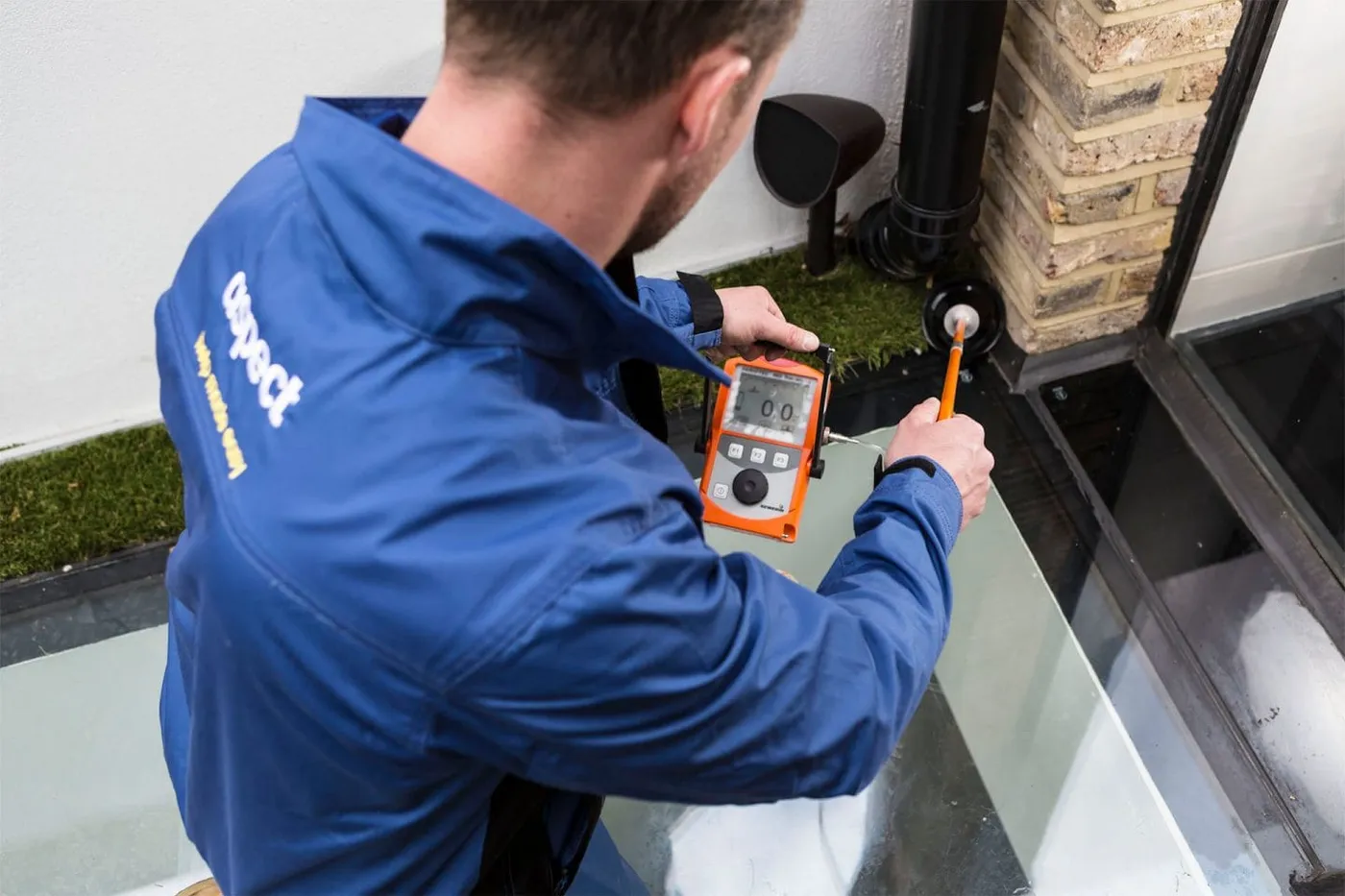
Our methodology extends beyond the immediate repair. We employ ultrasonic listening equipment and thermal imaging in complex systems to rule out parallel issues that a dripping tap might symptomise, such as elevated system pressure or hidden pipework corrosion. For landlords and facility managers, a precise, documented repair using graded components reduces callback rates and upholds compliance. When DIY repairs fail to secure a lasting seal, or the tap type requires proprietary parts and tools, engaging a specialist ensures the fault is resolved at the component level, preventing escalation and water waste.
Frequently asked questions
Is a dripping tap an emergency leak detection issue?
While not typically an emergency requiring immediate, out-of-hours response, a dripping tap signifies a definitive seal failure. Left unresolved, it leads to water waste, potential staining, and can escalate if the valve seat degrades further. For commercial properties, it represents a continuous resource drain that should be scheduled for precise repair.
Why does my tap still drip after replacing the washer?
A persistent drip post-washer replacement almost certainly indicates a worn or pitted valve seat. The new washer cannot form a seal against an uneven surface. The repair is incomplete without reseating or replacing the tap seat—a technical step requiring specific tools. It may also point to incorrect washer type or size.
Can a dripping tap indicate a wider plumbing system problem?
Primarily, a drip is a localised valve failure. However, in systems with unusually high water pressure, it can accelerate washer and seat wear. If multiple taps exhibit similar failures concurrently, it may warrant a system pressure check. Our engineers can integrate such diagnostics during a visit, using gauges to assess if system-wide pressure regulation is required.