How to Locate and Turn Off Your Water Stop Tap in London
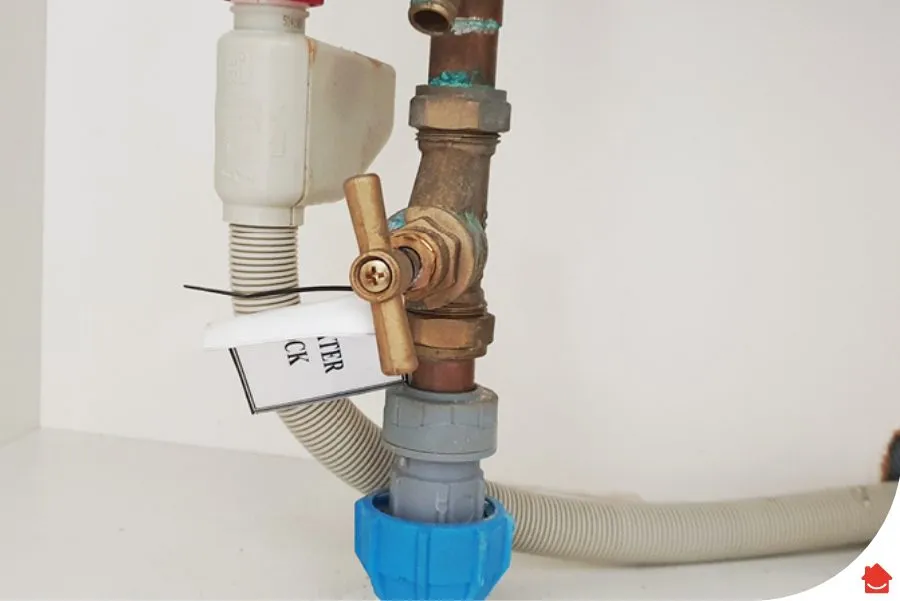
Our precise guide details the standard locations and operation of the main water stop tap, a critical control point for landlords and commercial property managers to isolate water supply during a leak.
Precise Identification of the Main Stop Tap
In London properties, the primary water stop tap, also known as the incoming mains stop valve, is the single most critical point for controlling the entire water supply to a building. For landlords and commercial property managers, knowing its exact location and condition is a fundamental operational requirement. The valve is typically situated where the mains water pipe enters the property. In most residential settings, this is under the kitchen sink, in a downstairs cloakroom, or within a utility cupboard. In commercial or older buildings, common locations include basements, cellars, or dedicated plant rooms. The valve itself is usually a brass fitting with a quarter-turn lever (isolator) or a traditional wheel-head (gate valve) that must be turned clockwise to shut.
Methodical Operation for Leak Isolation
Correct operation of the stop tap is a precise mechanical action. For a quarter-turn lever, moving it a full 90 degrees from its position parallel to the pipe to a position perpendicular will shut off the flow. For a wheel-head valve, turn it slowly and firmly clockwise until it will not turn further. Do not apply excessive force, as older valves can seize or shear. We advise landlords to test this valve periodically—turning it off and on gently—to ensure it remains operational. If a leak is detected, shutting this valve is the first and most effective step to prevent water damage, as it isolates the entire internal system from the pressurised mains feed. Our engineers always verify the functionality of this valve during any leak detection survey, as its failure can significantly escalate the severity of a water escape.
It is important to distinguish this main internal stop tap from the external boundary stop tap, which is typically located under a small metal or plastic cover in the pavement or garden and is the responsibility of the water utility. In an emergency, you may need to access this external valve if the internal one is inaccessible or broken, but permission and a special key are often required. For swift leak response, reliance on the internal valve is paramount.
Technical Considerations for Property Portfolios
For those managing multiple units or commercial spaces, documenting the location and condition of every main stop tap is a key risk-mitigation strategy. We recommend creating a simple asset register that notes the valve type, location, and last test date. In many modern apartments, particularly in blocks, each unit may have its own stop tap located within the kitchen or bathroom vanity unit. In commercial settings, there may be multiple zone valves controlling different floors or wings; understanding this schematic is essential. If a valve is stiff, leaking from the spindle when operated, or completely seized, it requires proactive maintenance by a qualified plumber. A non-functional stop tap turns a minor leak into a major incident, as water cannot be isolated without interrupting the supply to neighbouring properties or involving the water utility, causing significant delay.
Our leak detection methodology always begins with establishing control points. Using acoustic listening devices and thermal imaging, we can trace pipework back to source, but the ability to instantly shut off the feed via a known, functional stop tap is the cornerstone of damage limitation. Ensuring this basic piece of infrastructure is accessible and operational is a simple yet highly effective technical safeguard for any property asset.
Frequently asked questions
What if my internal stop tap is stuck or won't turn?
Do not force it, as this can shear the spindle, causing a new leak. This is a common issue in older London properties. The valve requires professional attention to be freed or replaced. In the interim, you must know the location of the external boundary stop tap and have the requisite key or contact the water utility.
Is turning off the main stop tap different for a combi boiler system?
The procedure for the main water stop tap is identical regardless of heating system. It shuts off all cold water entering the property. Remember that after shutting it, you should also drain down the system by opening cold taps to relieve pressure, which is a crucial step before any plumbing work or major leak isolation.
As a landlord, how often should I check the stop tap?
We advise a functional test at least annually, ideally during a routine property inspection. Simply turn the valve off slowly and then back on, checking for stiffness or weeping from the spindle. This maintains its operability and confirms its location for tenants or managing agents, a key piece of information to provide at the start of a tenancy.