Running Toilet vs. Leaking Toilet: Identifying the Fault & Understanding Repair Costs
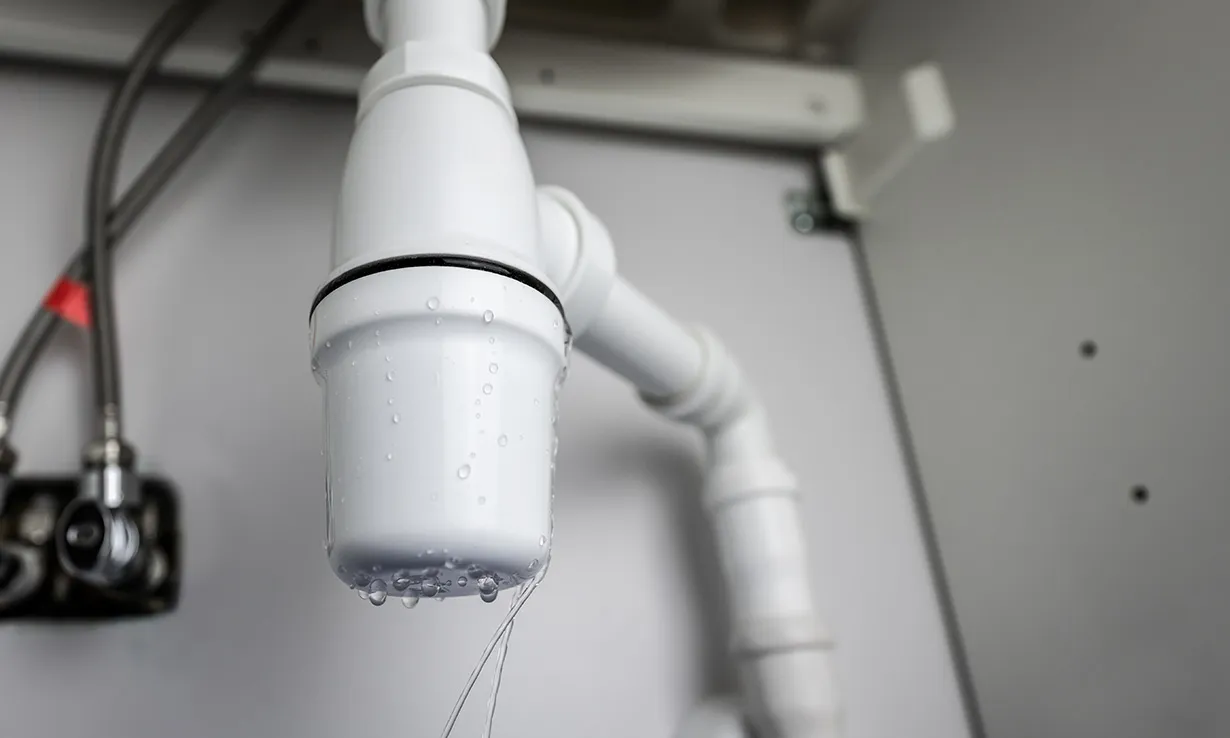
A running toilet and a leaking toilet are distinct failures with different causes, from faulty flush valves to concealed cistern cracks. We explain the diagnostic process and factors affecting professional repair costs.
Technical Distinctions: Running vs. Leaking Toilets
For landlords and commercial property managers, precise fault identification is critical. A 'running' toilet refers to continuous water flow from the cistern into the bowl after flushing has ceased, typically audible. This is almost always an internal valve failure. A 'leaking' toilet, however, indicates water escaping the toilet's containment—from the cistern, pan, or associated pipework—onto floors or into sub-structures. The diagnostic approach and urgency differ significantly.
Common Failure Points & Diagnostic Methods
For running toilets, our engineers systematically check the flush valve seal (often a flapper or drop valve) and the fill valve (ballcock). Worn seals or misaligned mechanisms prevent a complete seal, causing constant trickle. In modern dual-flush mechanisms, the fault often lies with the integrated flush plate mechanism.
True leaks require more forensic investigation. External leaks from supply line connections or the base of the toilet are visible. Concealed leaks are more serious: a hairline crack in a porcelain cistern can seep water invisibly down the back of the unit. Similarly, a compromised wax seal under the toilet pan can allow water to damage floorboards and ceilings below. We use moisture detection probes and, where access allows, endoscopic inspection to pinpoint the source without destructive exploration.
Factors Influencing Professional Repair Costs
Repair costs are not uniform; they are dictated by the fault's complexity and location. A simple valve replacement in an accessible, standard cistern is a straightforward task. Conversely, repairing a cracked concealed cistern set within a proprietary furniture unit requires careful dismantling, sourcing of matching components, and precise reassembly—increasing labour time significantly.
For landlords, the age and model of the sanitaryware are key cost factors. Obsolete flush mechanisms may require complete unit upgrades. Furthermore, if a leak has gone undetected, the scope of work may extend beyond the toilet itself to include damage assessment and drying of adjacent structures, which necessitates separate remediation. Our process involves a clear diagnosis first, followed by a detailed scope of works and associated estimate, ensuring no hidden costs for property owners.
Precision Response for Commercial Properties
In a commercial setting, a single leaking toilet in a multi-cubicle bathroom can risk business interruption and substantial water wastage. Our approach prioritises rapid, accurate diagnosis using non-invasive techniques where possible. We carry a comprehensive range of replacement valve types and seals to effect a permanent repair in a single visit. For high-traffic facilities, we often recommend a proactive maintenance schedule, inspecting seals and mechanisms during planned visits to prevent costly failures and water damage.
Ultimately, understanding whether you have a running or leaking toilet is the first step toward an efficient, cost-effective resolution. By engaging a specialist leak detection and repair service, you ensure the fault is correctly identified and remedied with precision, protecting your property from ongoing water damage and excessive utility bills.
Frequently asked questions
What's the main technical difference between a running and a leaking toilet?
A running toilet involves a failure of the internal flush or fill valve, causing water to flow continuously from the cistern into the bowl. A leaking toilet involves a breach of the toilet's containment, where water escapes from the cistern, pan, or pipework onto external surfaces or into building structures, often requiring different diagnostic tools like moisture probes.
Why can repair costs for a leaking toilet vary so widely?
Costs depend on the fault's location and accessibility. Replacing a standard fill valve is relatively simple. However, repairing a crack in a concealed cistern or a failed seal under the toilet pan often involves extensive access work, sourcing specific parts, and potentially addressing secondary water damage, all of which increase the scope and cost of the repair.
As a landlord, should I be concerned about a toilet that runs intermittently?
Yes. An intermittently running toilet indicates a worn or misaligned valve seal. This fault leads to constant water wastage, which impacts utility bills and, over time, can accelerate wear on the valve seat, leading to a complete failure and potential overflow. Addressing it promptly is a cost-saving measure.