Hard Water & Limescale Problems in London Homes: Detection & Prevention
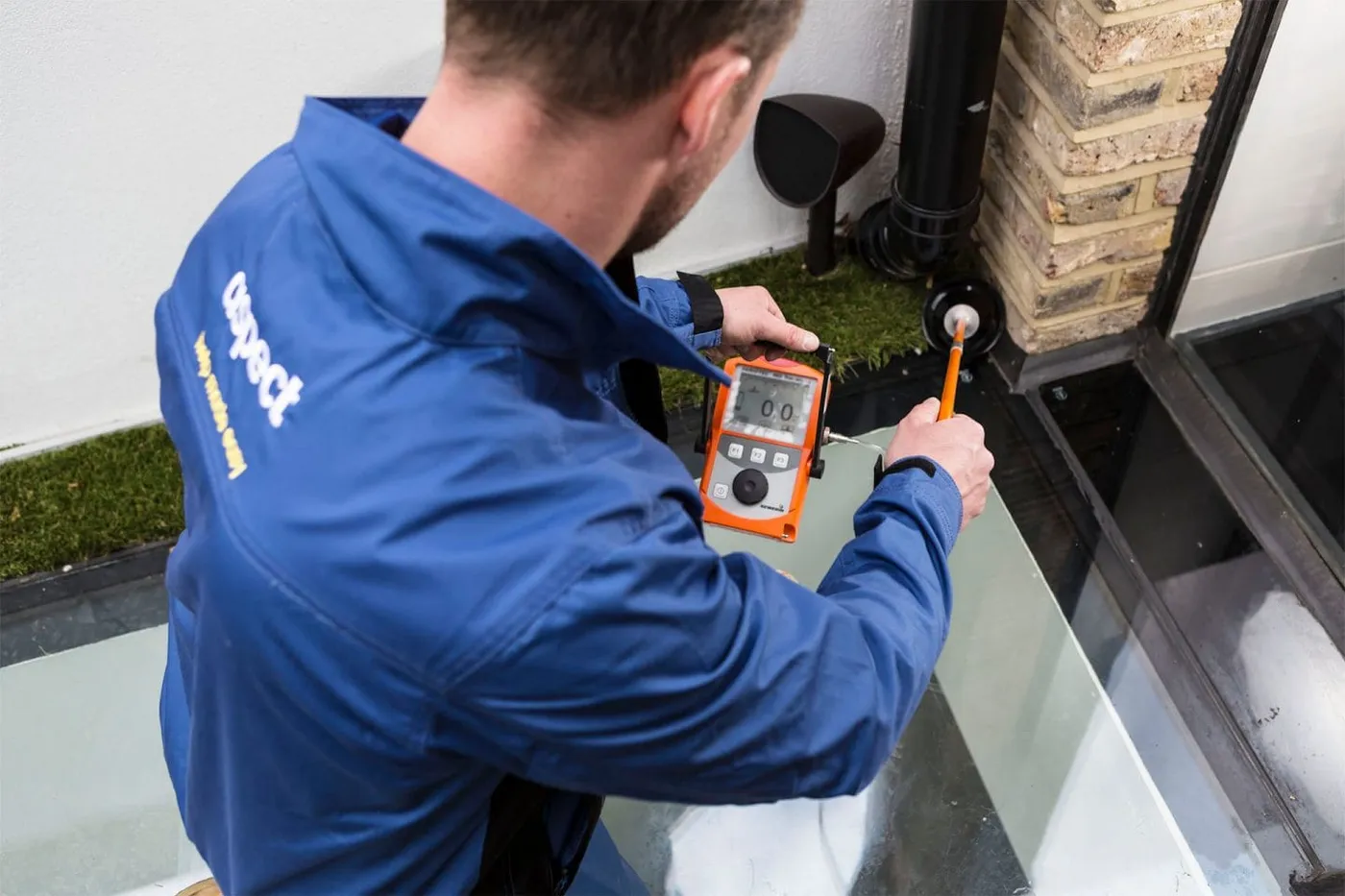
London's notoriously hard water leads to persistent limescale problems that can damage pipework and appliances. We detail the technical methods for detecting scale-related leaks and blockages.
The Technical Challenge of London's Hard Water
London's water supply is drawn from chalk and limestone aquifers, resulting in water with a high mineral content, primarily calcium and magnesium carbonates. This defines it as 'hard' water. While safe to consume, the primary technical challenge for plumbing systems is limescale. When hard water is heated or evaporates, these minerals precipitate out, forming a hard, crystalline deposit that adheres to internal surfaces. For landlords and commercial property managers, this isn't merely an aesthetic issue; it is a persistent mechanical and thermal problem that degrades system performance and can lead to concealed leaks.
How Limescale Causes Leaks and System Failures
The accumulation of limescale acts as an insulating layer and a physical obstruction. Within boilers and heat exchangers, scale drastically reduces thermal efficiency, forcing systems to work harder and increasing energy costs. More critically for leak detection, scale buildup within pipes progressively narrows the internal diameter, increasing water pressure on compromised sections. This can lead to pinhole leaks, especially in older copper piping where scale contributes to localised corrosion. In appliances like washing machines and dishwashers, scale damages seals and valves, causing drips and overflows. The most insidious failures occur when scale completely blocks pressure relief valves or corrodes pipe joints, creating slow, concealed leaks that go unnoticed until significant structural damage occurs.
Precision Detection of Scale-Related Issues
Our engineers employ a technology-led approach to diagnose scale-related problems. Acoustic leak detection is a primary tool; the high-frequency sound of water escaping through a scale-narrowed orifice or a corroded pinhole has a distinct signature that our sensitive ground microphones and correlators can pinpoint. For assessing internal pipe condition, we may use borescope inspection cameras to visually confirm the extent of buildup in accessible pipe runs. Thermal imaging cameras can also reveal unusual temperature gradients in walls or floors caused by blocked or scaled pipes, indicating a potential fault line. For commercial properties, a systematic assessment of water heater efficiency and flow rates across multiple outlets can identify scale-related performance drops before a catastrophic leak develops.
Technical Solutions and Preventative Strategies
Remediation depends on the severity. For minor scale, professional descaling of appliances and affected pipe sections may suffice. For significant pipework blockages or corrosion, section replacement with modern, scale-resistant materials may be the only reliable solution. The most effective long-term strategy is prevention through water conditioning. While magnetic or electronic descalers have varying reported efficacy, physical water softeners that use ion exchange are a proven technical solution for whole-property protection. For landlords, installing such a system can be a cost-effective measure to preserve appliance warranties, maintain heating efficiency, and prevent the slow, costly leaks caused by limescale. Regular system inspections, particularly of heating systems and vulnerable appliances, form a crucial part of a preventative maintenance regime.
Frequently asked questions
Can limescale actually cause a water leak?
Yes, absolutely. Limescale buildup increases internal pressure in pipes and contributes to corrosion, which can create pinhole leaks. It also damages appliance seals and valves, leading to drips and overflows. These are common faults we are called to locate and repair.
What is the most reliable method to find a leak caused by scaled pipes?
Acoustic leak detection is often the most precise first step. The sound of water escaping through a scale-constructed opening has a distinct profile. We combine this with thermal imaging to find temperature anomalies and, where possible, visual inspection with a borescope to confirm the internal condition of the pipe.
As a landlord, should I install a water softener to prevent problems?
For properties in severe hard water areas, installing a certified water softener is a proactive technical measure that can protect plumbing systems and appliances, reducing long-term maintenance costs and leak risks. It is particularly advisable for portfolios with combi boilers and multiple water-using appliances.