How to Fix a Leaking Toilet Cistern: A Technical Guide to Diagnosis & Repair
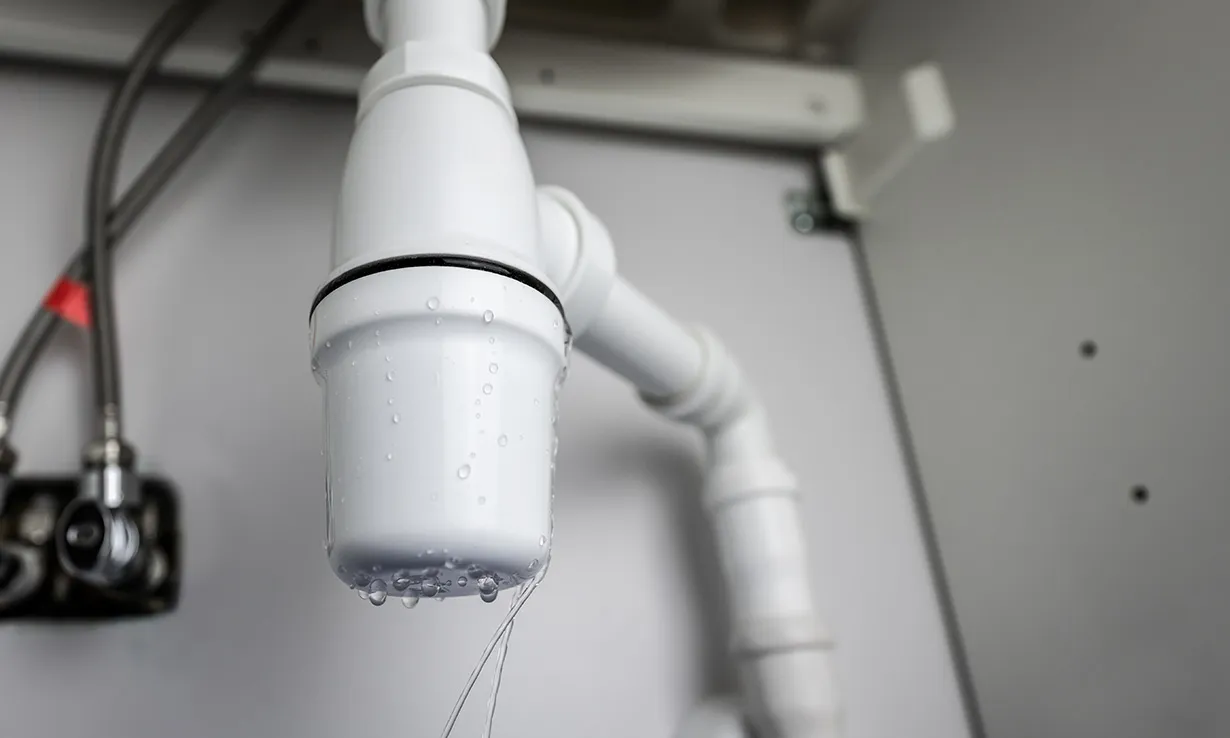
A leaking toilet cistern requires systematic diagnosis of inlet valves, flush mechanisms, and seals. We outline the technical steps for precise repair.
Systematic Diagnosis of Cistern Leakage
A leaking toilet cistern is not a single fault but a symptom requiring precise identification of the failed component. Water may escape externally from pipework joints or internally via the overflow or into the pan. Our engineers approach this by first isolating the water supply and conducting a visual and functional inspection. The primary suspects are the inlet valve (ball valve or modern diaphragm fill valve), the flush valve (siphon or drop valve seal), and the various gaskets sealing the cistern itself. We map the leak path: water on the floor typically indicates a failed spud washer or supply connection, while constant water in the pan points to a flush valve or inlet valve fault.
Technical Inspection of Key Components
For the inlet valve, we assess its shut-off performance. A worn diaphragm or faulty float mechanism will cause continuous filling, directing water into the overflow or, if the overflow is blocked, externally. We test by manually lifting the float arm to see if water flow ceases promptly. The flush valve seal, often a rubber washer or 'drop valve' cone, degrades over time. We check for silent water trickle into the pan by adding a dye tablet to the cistern; colour appearing in the pan after 15 minutes without flushing confirms this failure. For concealed leaks at the cistern's base or connection points, we methodically dry all areas and use tissue paper to pinpoint the origin of minute water tracks.
Modern dual-flush mechanisms add complexity, with pivot seals and button linkages that can misalign and cause internal weeping. Our technicians disassemble these units to inspect O-rings and gaskets for perishing or limescale build-up, which prevents a positive seal. We also verify the integrity of the cistern's mounting bolts and their sealing washers, a common point of failure in close-coupled units where movement can compromise the seal.
Precision Repair & Component Replacement
Repair is a matter of exact component matching. Generic washers often fail prematurely; we source manufacturer-specific seals or high-grade universal equivalents. When replacing a fill valve, we consider water pressure. For high-pressure systems, a piston-type valve is suitable, while for low pressure, a diaphragm type is more reliable. Installation includes calibrating the float for correct shut-off and adjusting the refill rate to prevent water hammer.
For flush valve repairs, the entire siphon unit may need replacement if the seal seat is corroded. We ensure the new unit is compatible with the cistern's bore and waste outlet. All mechanical connections are torqued to manufacturer specifications to avoid stress cracks or over-compression of fibre washers. Post-repair, we conduct a sustained operational test, checking for leaks under multiple flush cycles and verifying fill speed and shut-off accuracy. This technical, component-level approach ensures a durable repair, not just a temporary cessation of symptoms.
Frequently asked questions
What is the most common cause of a toilet cistern leaking internally into the pan?
The most frequent technical fault is a degraded flush valve seal, often a rubber washer or cone. This allows water to seep continuously from the cistern into the toilet bowl. It can be diagnosed using a dye test.
Can I replace just the washer on a leaking inlet valve, or do I need a whole new unit?
It depends on the valve type. For older brass ball valves, washer replacement is often sufficient. For modern plastic diaphragm fill valves, the diaphragm can sometimes be replaced, but if the valve body or float mechanism is faulty, our engineers recommend a complete unit replacement for reliable performance.
Why does my cistern still leak after I've replaced the obvious seals?
Persistent leaks often indicate a misdiagnosis or a secondary fault. Common oversights include hairline cracks in the porcelain (often hidden under fittings), a failed spud washer connecting the cistern to the pan, or corroded mounting bolts. A methodical, dry inspection is required to trace the water's exact origin.