Diagnosing Low Water Pressure in Your Property: A Technical Guide
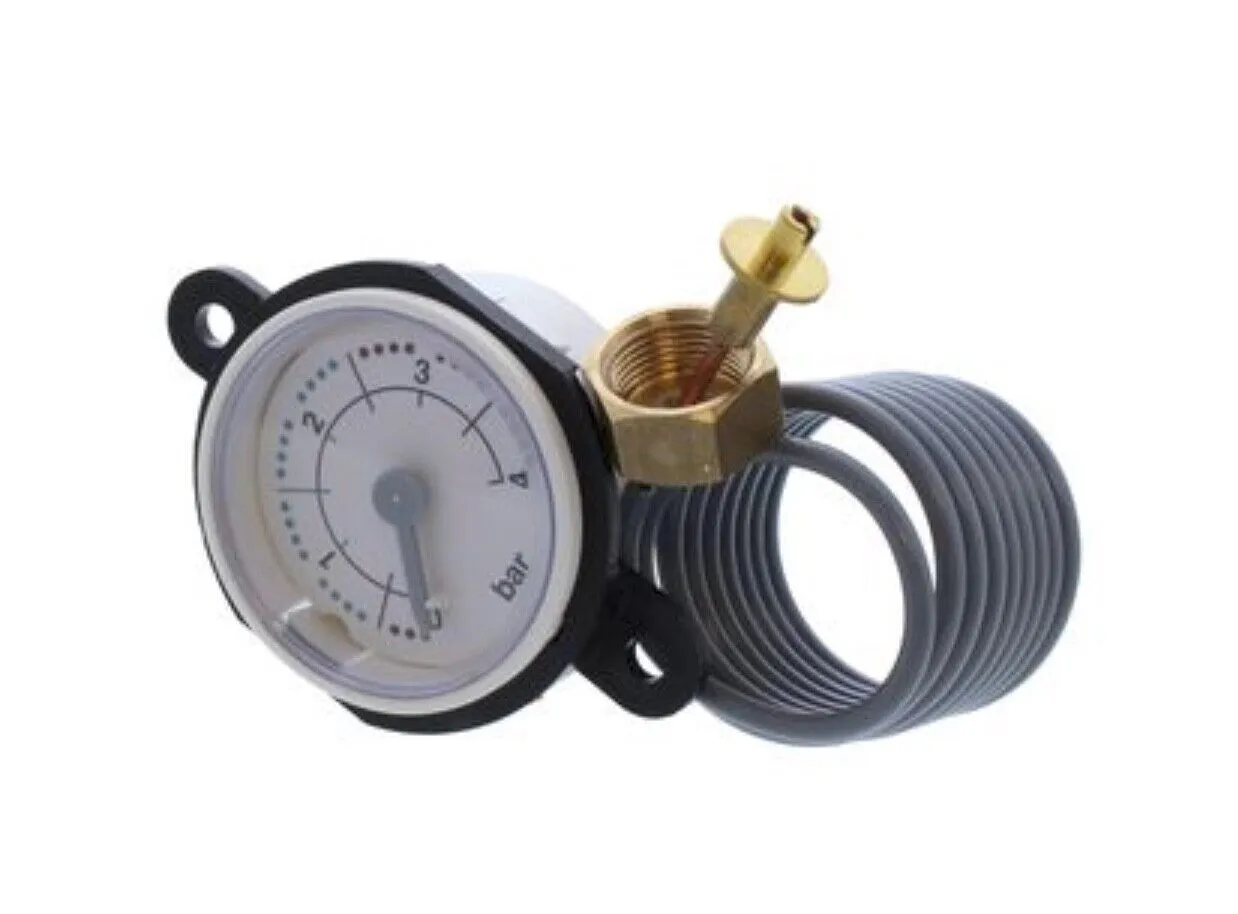
A systematic guide to identifying the technical and systemic causes of low water pressure in residential and commercial properties, outlining precise diagnostic methods.
Systematic Diagnosis of Pressure Loss
Low water pressure is rarely a singular fault but a symptom of a systemic issue within a property's plumbing network. Our diagnostic approach begins by isolating the problem: is it localised to a single fixture, present on one floor, or affecting the entire property? We use digital pressure gauges to take baseline readings at key points, typically at the main stopcock entry point and at the outlet of the property's internal pressure-reducing valve, if fitted. This comparative data immediately indicates whether the issue originates from the mains supply or the internal distribution system.
For commercial properties and multi-tenant buildings, this initial survey is critical. Pressure loss on upper floors often points to insufficient pumping or balancing issues in the building's boosted system, while widespread loss suggests a blockage, a significant concealed leak, or a failing pressure regulator. Our engineers map the pressure differentials to create a hydraulic profile of the system, which guides the subsequent, more targeted investigation.
Common Technical Culprits and Detection Methods
Once the problem area is defined, we employ specific detection technologies. A persistent, property-wide pressure drop, especially if accompanied by a faint, constant sound detected with ground microphones or acoustic leak correlators, often indicates a leak on the supply pipe between the water main and the property boundary. These leaks can siphon off pressure long before they become visibly apparent. Tracer gas detection is a highly precise method for confirming such leaks, particularly under slabs or deep beneath landscaping, where the inert gas will migrate to the surface at the breach point.
Internal causes are equally technical. Limescale accumulation in pipes, particularly in hard water areas, progressively restricts flow. We use miniature CCTV cameras for pipe inspections where access allows. Faulty or incorrectly set pressure-reducing valves (PRVs) are another frequent cause; these are tested against manufacturer specifications. For landlords, a sudden pressure loss in a single unit may signal a tenant-installed, non-compliant appliance or an isolated leak. Our thermal imaging cameras can sometimes identify abnormal temperature gradients in walls or floors caused by leaking cold water pipes, helping to pinpoint the issue without invasive exploration.
Beyond the Property Boundary: Mains and Communication Issues
The cause may lie entirely outside your control. A drop in the municipal supply pressure, often due to nearby main works or a leak on the water authority's side of the communication pipe, will affect all connected properties. We liaise directly with the local water provider to ascertain any known issues. However, a private leak on the communication pipe—the section from the main to the property boundary—is the owner's responsibility. Locating leaks here requires specialist equipment. Electronic leak noise correlators are used to pinpoint the exact location by analysing the sound of the leak from two known access points, such as the external stop tap and an internal tap, minimising excavation and disruption.
For commercial properties, the complexity increases. Recirculating hot water systems, booster sets, and backflow prevention devices all introduce potential failure points. Our engineers assess each component systematically. A failing pump impeller or a stuck check valve in a booster set can cripple pressure. We test these systems under load, monitoring pressure and flow rates to identify the deficient component. Regular technical surveys for landlords and facilities managers can identify these issues in early stages, preventing costly tenant complaints and water damage from escalating leaks.
Frequently asked questions
Can a hidden leak cause low water pressure without visible water damage?
Yes, absolutely. A slow leak on a pressurised supply pipe, especially before the property's stopcock, can dissipate pressure through the leak point. The water may migrate into the ground or a cavity, causing no immediate visible damage but creating a persistent, system-wide pressure drop. Acoustic and tracer gas detection are key methods for locating these concealed breaches.
As a landlord, my tenant reports low pressure in one shower but not others. What does this indicate?
This strongly points to a localised issue. The primary suspects are a blocked or scaled showerhead/isolator valve, a fault in the shower unit's own pressure-balancing valve, or a problem with the dedicated supply line to that fixture. Isolating and testing that specific branch line, often with flow-rate checks and a physical inspection of the shower's internal filters, is the first technical step.
What is the role of a pressure-reducing valve (PRV) and how can it fail?
A PRV is installed where the mains supply pressure exceeds safe or recommended levels for the internal plumbing. It regulates incoming pressure to a preset, lower level. Failure can occur via a ruptured diaphragm, a clogged filter/strainer, or a faulty spring mechanism, resulting in either no pressure (if stuck closed) or excessively high or low/unregulated pressure (if stuck open or malfunctioning). Testing involves measuring input and output pressures against its specified rating.