Overflow Pipe Dripping Outside: What It Means and How to Diagnose
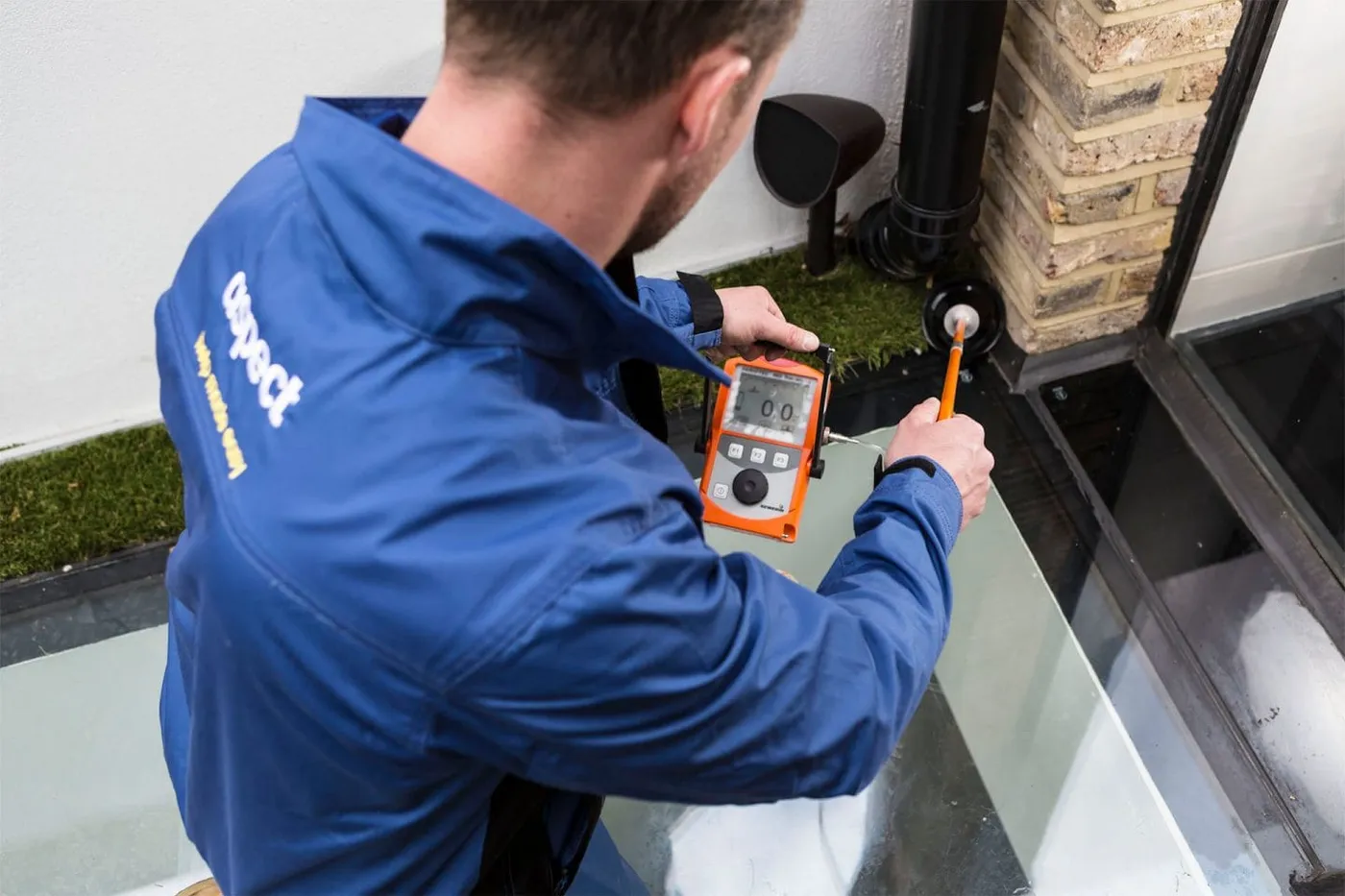
A dripping overflow pipe is a critical warning sign of an internal fault. We explain the technical causes and diagnostic steps for property owners.
The Function of an External Overflow Pipe
An external overflow pipe, also known as a discharge pipe, is a critical safety component of your property’s cold water storage or heating system. Its primary function is not for regular operation but to act as a mechanical fail-safe. It is connected to critical control devices like the ball valve in your cold water tank or the pressure relief valve on your unvented cylinder. When these internal devices fail in a specific way, the overflow pipe provides a visible, external discharge path to prevent dangerous over-pressurisation or flooding inside the property. Therefore, any discharge from this pipe is a definitive indicator of a fault condition that requires investigation.
Diagnosing the Source of the Drip
The precise source of the drip dictates the urgency and required repair. For traditional vented systems with a loft tank, a constant drip or flow from the overflow typically points to a failed ball valve. The valve’s washer or diaphragm deteriorates, preventing it from sealing, allowing mains-pressure water to continuously feed into the tank and exit via the overflow. In properties with modern unvented (mains-pressure) hot water systems, a dripping overflow is more serious. It usually signals that the system's pressure relief valve (PRV) or temperature relief valve (TRV) is activating. This can be due to excessive mains pressure, a failed expansion vessel, or a thermostat fault causing overheating. Intermittent dripping, especially after hot water use, strongly suggests an expansion vessel issue.
Our engineers use a methodical diagnostic approach to isolate the cause. This begins with tracing the specific pipework to confirm which tank or cylinder it serves. We then inspect the associated valves and components internally, checking for signs of wear, corrosion, or incorrect pressure settings. For unvented systems, we verify the charge pressure in the expansion vessel and test the operation of safety valves. It is crucial to address these faults promptly; a constantly dripping pipe can lead to significant water waste, potential structural damage from water ingress, and in the case of unvented systems, indicates a safety-critical device may not be functioning correctly.
Technical Solutions and Compliance
Resolution is not simply about stopping the drip; it involves rectifying the underlying fault with precision and ensuring system compliance. For a faulty ball valve, we replace the entire valve or its internal components with a high-quality equivalent to ensure a reliable seal. Addressing a dripping PRV on an unvented cylinder is more complex. The solution may involve repressurising or replacing the expansion vessel, adjusting the pressure reducing valve (if fitted), or replacing the relief valve itself. All work on unvented systems must be performed by a G3-qualified engineer, as mandated by UK Building Regulations, to ensure the system's safe operation.
For landlords and commercial property managers, a dripping overflow pipe is more than a nuisance; it is a documented symptom of a maintenance issue. Proactive investigation and repair not only prevent water damage and tenant complaints but also demonstrate due diligence in maintaining the property's fixed installations. Our leak detection and plumbing service provides precise diagnostics and compliant repairs, giving you a clear technical report on the fault found and the corrective action taken.
Frequently asked questions
Is a dripping overflow pipe an emergency?
While not always an immediate flood risk, it is a priority fault. A constant flow suggests a significant failure that requires prompt attention to prevent water damage and, in the case of unvented cylinders, to ensure the safety system is intact. We recommend arranging an investigation within 24-48 hours.
Can I temporarily fix it myself?
We do not recommend temporary fixes. Tying up the overflow pipe or attempting to adjust internal valves can mask a serious fault, leading to tank overflows or dangerous pressure build-up in sealed systems. The correct action is to diagnose and replace the faulty component.
Why does it only drip when the heating or hot water is on?
This pattern strongly indicates an issue with the expansion vessel in a sealed (unvented) heating or hot water system. As water heats and expands, the faulty vessel cannot absorb the extra volume, causing system pressure to rise and trigger the pressure relief valve, resulting in the drip.