Banging Noisy Pipes: Diagnosing and Solving Water Hammer
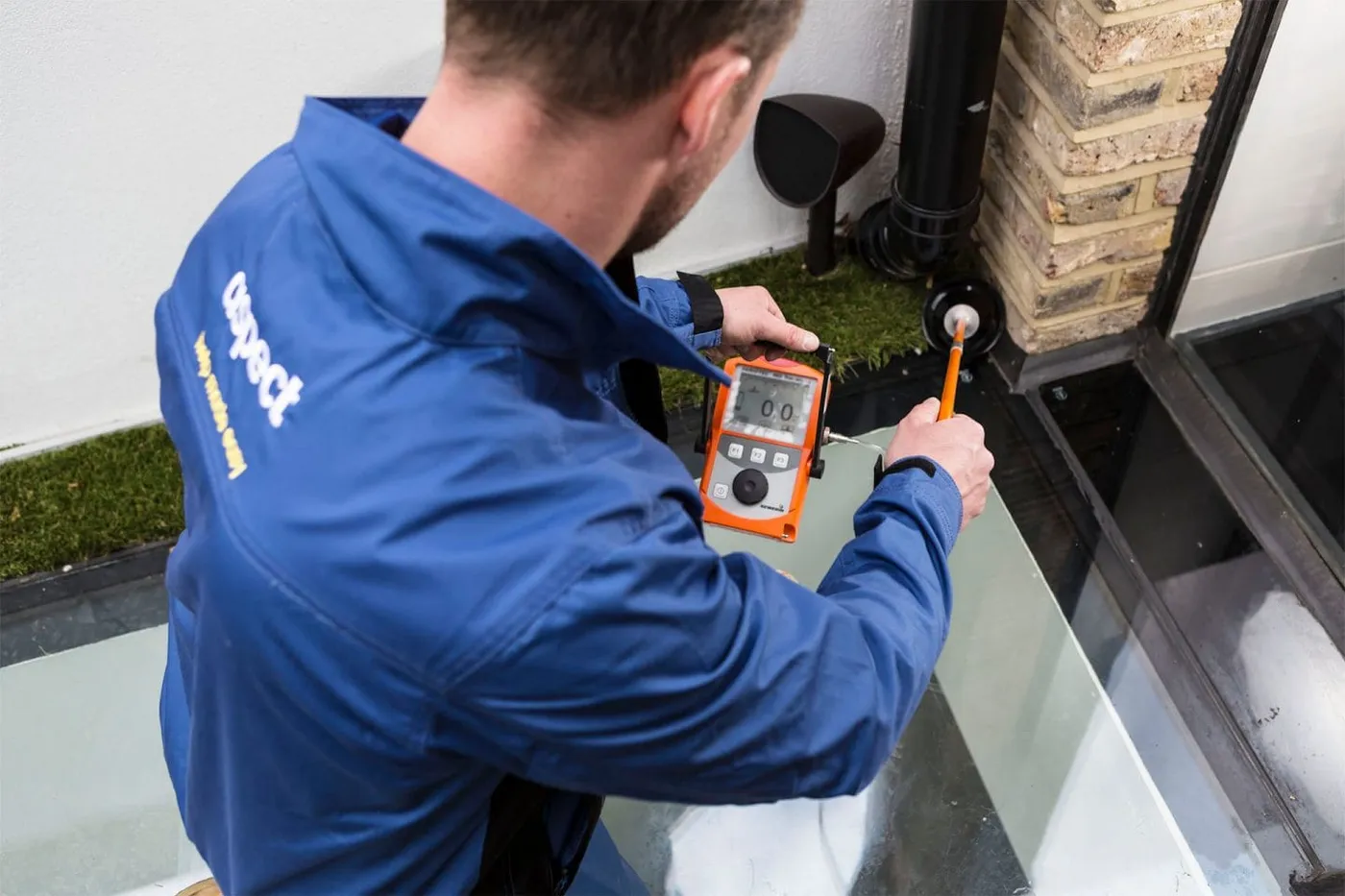
Persistent banging in pipes, known as water hammer, is a symptom of pressure surges that can damage systems. Our guide details the causes and engineered solutions for property managers.
The Physics of Water Hammer: More Than Just Noise
The sudden banging or hammering sound in your pipework is a precise diagnostic signal known as water hammer, or hydraulic shock. This is not merely an acoustic nuisance; it is a pressure wave propagating through the system. It occurs when flowing water is abruptly stopped by a fast-closing valve, such as in a washing machine, dishwasher, or solenoid-operated tap. The kinetic energy of the moving column of water converts instantly into pressure energy, creating a shockwave that travels back through the pipes at the speed of sound. This repeated stress fatigues pipe joints, brackets, and fittings, leading to premature failure and concealed leaks.
Precision Diagnosis: Isolating the Source of the Shockwave
Effective resolution requires systematic diagnosis. Our engineers begin by mapping the plumbing system to identify all quick-closing appliances and valves. The diagnostic process involves isolating branches of the system and operating specific valves to replicate the hammer. We use high-sensitivity acoustic listening devices to trace the shockwave's path and pinpoint the exact section where the pressure surge is most pronounced. This method allows us to distinguish between a primary issue, like a missing air chamber, and secondary effects, such as loose pipe brackets that amplify the noise. For complex commercial systems, we may employ transient pressure loggers to capture the magnitude and frequency of the surge events.
Common culprits beyond fast-closing valves include failed or waterlogged air chambers (sometimes called air cushions or arrestors), undersized piping that creates excessive flow velocity, and inadequate pipe support that allows lateral movement. In older systems, the gradual corrosion and scaling of pipes can also alter internal dynamics, increasing the likelihood of hammer.
Engineered Solutions: Arresting the Surge
The solution is to decelerate the water column gradually or provide a cushion for the shockwave. The primary engineered fix is the installation of mechanical water hammer arrestors. These are sealed vessels containing a piston or diaphragm that separates a compressed air chamber from the water line. When a pressure surge hits, the air compresses, absorbing the energy. We specify and install arrestors rated for the specific pressure and volume of the system, typically at the point of use near the offending appliance. For whole-system issues, a larger surge tank or pressure-reducing valve may be indicated.
Supplementary corrective actions include securing all pipe runs with compliant brackets to eliminate movement, checking that main system pressure is within recommended limits (often 3-4 bar), and replacing worn solenoid valves or ball valves with slower-closing alternatives. In properties with recurring issues, a full hydraulic review of the system layout may be necessary to identify and rectify fundamental design flaws in flow dynamics.
Proactive Maintenance for Property Portfolios
For landlords and commercial property managers, addressing water hammer is a preventative maintenance priority. Unchecked, the repeated shocks degrade system integrity, leading to leaks within walls or under floors that can cause significant damage before detection. Incorporating a check for hydraulic shock during routine inspections can prevent costly emergency call-outs. Our leak detection surveys often include an assessment of pipework acoustics and support, providing a technical report on potential failure points, including those indicated by water hammer, allowing for planned, budgeted interventions.
Frequently asked questions
Can water hammer cause a leak?
Yes, absolutely. The repeated high-pressure shockwaves stress solder joints, compression fittings, valve seats, and the pipes themselves. This metal fatigue can cause joints to loosen and crack over time, leading to pinhole leaks or catastrophic fitting failure, often within concealed spaces.
Is a 'water hammer arrestor' a permanent fix?
Properly specified and installed mechanical arrestors are a permanent engineered solution. However, piston-type arrestors can eventually fail if the internal air charge dissipates into the water (a process called 'waterlogging'). Modern, sealed diaphragm arrestors are designed for longevity and typically do not require maintenance, making them the preferred choice for permanent installation.
Why did the banging pipes start suddenly?
A sudden onset usually correlates with a recent change in the system. Common triggers include the installation of a new appliance with a fast solenoid valve (like a washing machine), the replacement of a tap washer or valve that now closes more abruptly, or the failure of an existing air chamber that had been mitigating the shock. A recent alteration to system pressure can also be a factor.