Detecting and Locating Pinhole Leaks in Copper Pipes: A Technical Guide
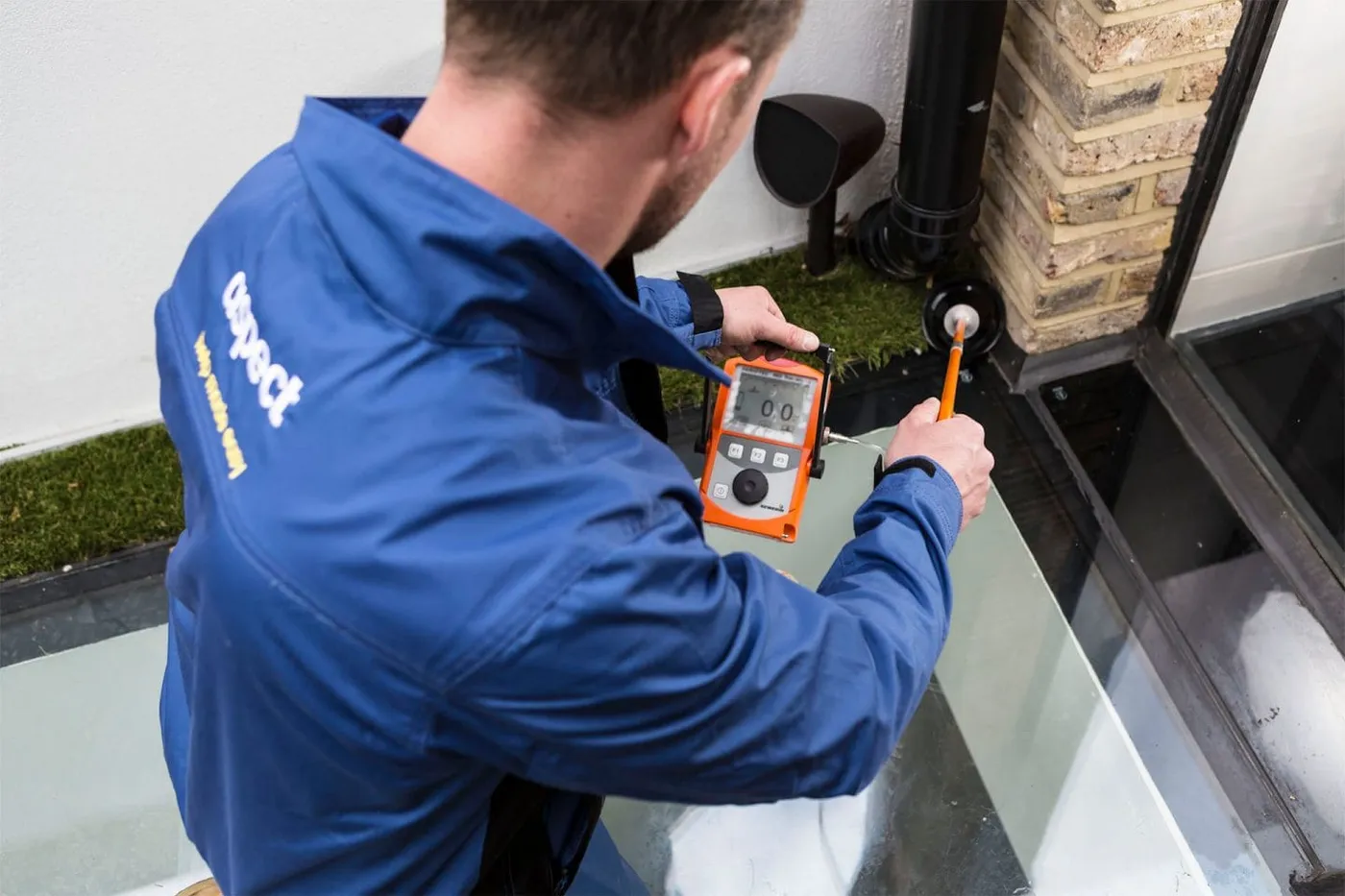
This guide details the technical causes of pinhole corrosion in copper pipes and outlines the advanced detection methods our engineers use to locate these elusive failures with precision.
The Technical Nature of Pinhole Corrosion in Copper
Pinhole leaks in copper pipes represent a specific and often perplexing failure mode. Technically, they are localised perforations caused by pitting corrosion, a form of highly localised attack that creates small cavities. Unlike general wall thinning, pitting is an electrochemical process often accelerated by specific water chemistry, such as low pH (acidic water), high chloride or sulphate concentrations, or the presence of dissolved oxygen and carbon dioxide. Microbiological activity, excessive flux residue from soldering, and stray electrical currents (electrolysis) can also initiate these sites. The result is a pipe that may appear sound externally but is perforated by one or multiple tiny, rapidly weeping holes, often leading to significant water damage before a conventional drip is even noticed.
Advanced Detection Methodologies for Precise Location
Locating a pinhole leak demands a move beyond visual inspection. Our engineers employ a suite of non-invasive and minimally invasive technologies to pinpoint failures without unnecessary damage to property fabric. Acoustic leak detection is a primary tool; highly sensitive ground microphones and correlators analyse the distinct, high-frequency sound a pressurised pinhole leak emits. This allows us to trace the sound through walls and floors to its source, often within centimetres.
For leaks where acoustics are challenging, we utilise thermal imaging cameras. A pinhole leak releasing water at ambient temperature creates a subtle thermal signature against its surroundings, which our FLIR-equipped engineers can identify behind finishes. In complex commercial systems or where pipework is extensively boxed in, tracer gas detection provides a definitive solution. We introduce an inert, hydrogen-based gas mixture into the de-pressurised pipework. This gas, which is lighter than air and non-flammable at our mix, escapes through the pinhole and permeates through structures to the surface, where our sensitive detectors locate the exact exit point, confirming the leak location with certainty.
Repair Considerations for Landlords and Commercial Properties
For property stakeholders, a pinhole leak is rarely an isolated incident. It can be an indicator of wider systemic issues within the water system. Our technical assessment following detection therefore includes a forensic evaluation of the cause. We will examine the failed section and surrounding pipework to determine if the pitting is isolated or widespread, which is critical for deciding between a localised repair and a partial or full re-pipe.
For landlords, this long-term view is essential for compliance and asset preservation. A simple patch repair on a pipe suffering from aggressive pitting corrosion may only be a temporary fix. In commercial settings, particularly in buildings with complex risers or critical water supply lines, the integrity of the entire run must be verified. Our post-repair recommendations are based on the technical evidence gathered, advising on water treatment, dielectric isolation, or pipe replacement strategies to prevent recurrence and protect your investment.
The precision of our detection directly informs the efficiency and longevity of the repair. By accurately locating the failure point and diagnosing its root cause, we enable targeted interventions that minimise disruption, repair costs, and future liability—key concerns for any professional property manager.
Frequently asked questions
Is a pinhole leak a sign that all my copper pipes need replacing?
Not necessarily. While a pinhole leak indicates corrosive conditions, the damage may be localised. Our engineers perform a technical assessment of the surrounding pipework using internal inspection cameras and wall thickness testing where accessible to determine the extent of corrosion before recommending a targeted repair or partial re-pipe.
Why can't you just find the leak by looking for damp patches?
Water from a pinhole leak can travel along pipe surfaces, within conduit, or through building materials before appearing as a damp patch, often far from the actual source. Relying on visible damp leads to destructive and inaccurate exploratory work. Our electronic detection methods trace the leak to its precise origin, minimising damage and ensuring the correct point is repaired.
What is the most reliable method for finding a pinhole leak in a concrete slab or behind a tiled wall?
For encapsulated pipework, tracer gas detection is often the most definitive method. The inert gas permeates through concrete and mortar, allowing our detectors to locate the exact exit point at the surface. For larger accessible runs, electronic leak correlation, which uses sensors to triangulate the sound of the leak, provides highly accurate non-invasive location.