Is High Water Pressure a Bad Sign? Key Indicators and Professional Fixes
High water pressure is a common cause of premature pipe failure and concealed leaks. We detail the precise signs, diagnostic methods, and engineering solutions to protect your property.
Identifying the Technical Indicators of Excessive Pressure
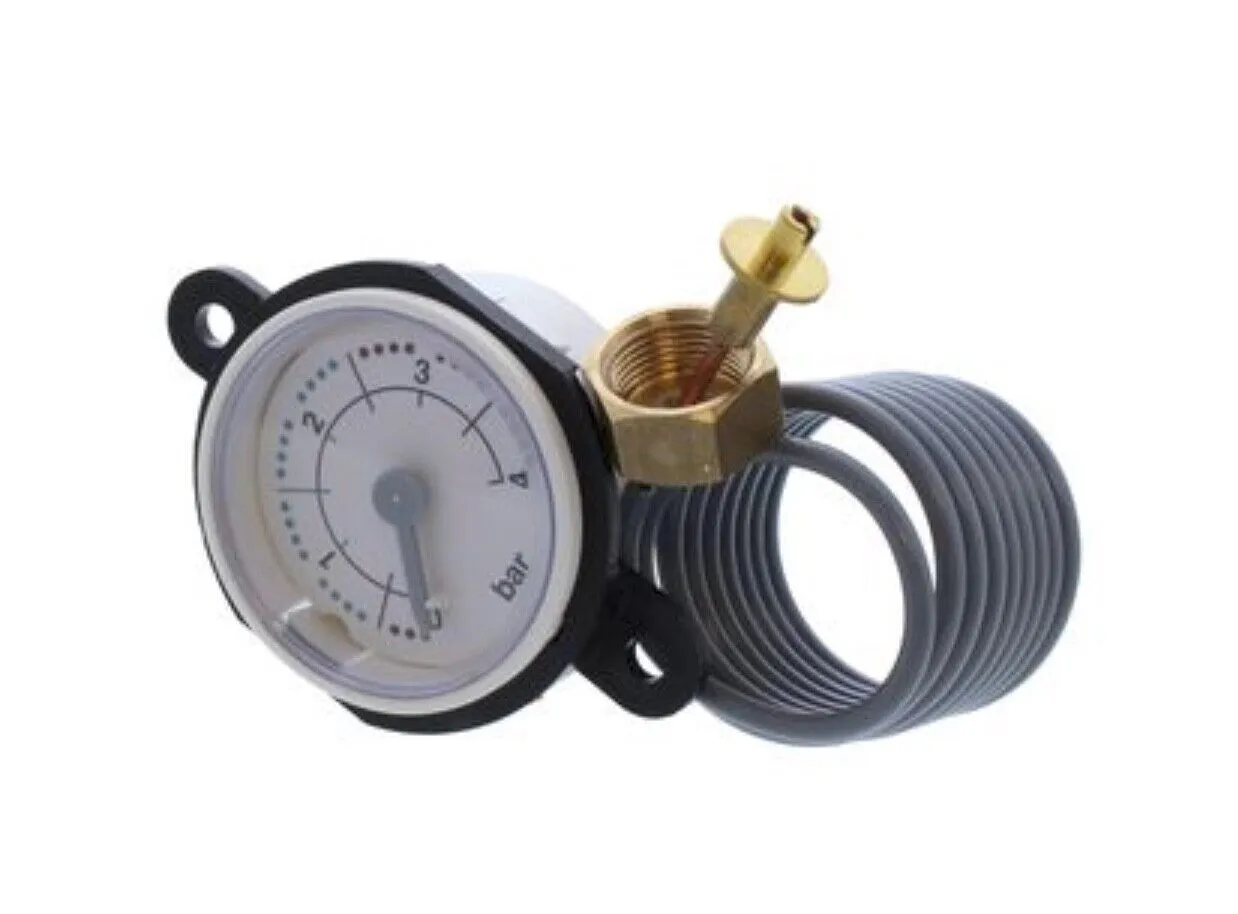
High water pressure is a systemic issue that places undue strain on a property's entire plumbing network. The primary signs are often audible and measurable. A persistent hammering or banging noise in pipes, known as water hammer, is a direct symptom of pressure surges. Visibly vibrating pipes or a whistling sound from taps and valves are further indicators. The most definitive test, however, is a pressure gauge reading. Mains water pressure in London should typically be regulated to between 1 and 3 bar for domestic properties, and specific levels for commercial systems. Consistently exceeding these levels indicates a problem requiring intervention.
How High Pressure Accelerates Leak Development and Pipe Fatigue
From an engineering perspective, sustained high pressure acts as a constant stressor on joints, seals, and pipe walls. This dramatically accelerates the fatigue of materials, leading to pinhole leaks in copper pipes, failed compression joints, and the premature failure of appliance valves in dishwashers, washing machines, and boilers. For landlords and commercial property managers, this translates to a higher frequency of repair calls and the risk of concealed leaks within walls or under floors, which can cause significant secondary damage before detection. Our leak detection engineers frequently trace the source of such leaks back to unregulated pressure as a root cause.
Precision Diagnostic and Engineering Solutions
Addressing high water pressure is not a matter of simple adjustment but of precise regulation. Our approach begins with a comprehensive assessment using calibrated pressure gauges to log static and dynamic pressure over time. We then trace the system to identify if the issue originates from the mains supply or internally. The standard and most effective solution is the installation of a pressure-reducing valve (PRV). Our engineers select and fit a valve with the correct specification for your property's usage, setting it to an optimal, safe output pressure. For complex systems, particularly in commercial settings, we may also recommend and install expansion vessels or secondary regulating valves to protect specific circuits or high-value equipment.
It is crucial that this regulation is part of a holistic view of the plumbing system. After installing a PRV, we often conduct follow-up checks to ensure the entire network is stabilised and that no new weaknesses have been exposed by the sudden normalisation of pressure. For landlords, this proactive measure is a key component of property maintenance, safeguarding assets and minimising disruptive emergencies. In commercial contexts, it protects critical operations from downtime due to water system failures.
Frequently asked questions
What is the most accurate way to confirm high water pressure?
While symptoms like water hammer are strong indicators, the only precise method is to measure it directly with a calibrated water pressure gauge attached to an outlet, such as a washing machine valve or outdoor tap. We take static and dynamic readings to understand the baseline pressure and the surges during use.
Can I adjust a pressure-reducing valve myself?
We strongly advise against this. Incorrect adjustment can lead to inadequate pressure for upper floors or appliances, or fail to solve the underlying surge problem. Our engineers calibrate PRVs using specific gauges and knowledge of the local mains supply characteristics to ensure optimal, safe performance.
Does high pressure affect leak detection methods?
Yes, significantly. High pressure can cause leaks to manifest as multiple small weep points or exacerbate background noise that masks the sound of a leak during acoustic detection. Part of our diagnostic process often involves assessing and, if necessary, stabilising the system pressure to improve the accuracy of our electronic leak detection and thermal imaging surveys.