How to Find a Water Leak Behind a Wall: A Technical Guide
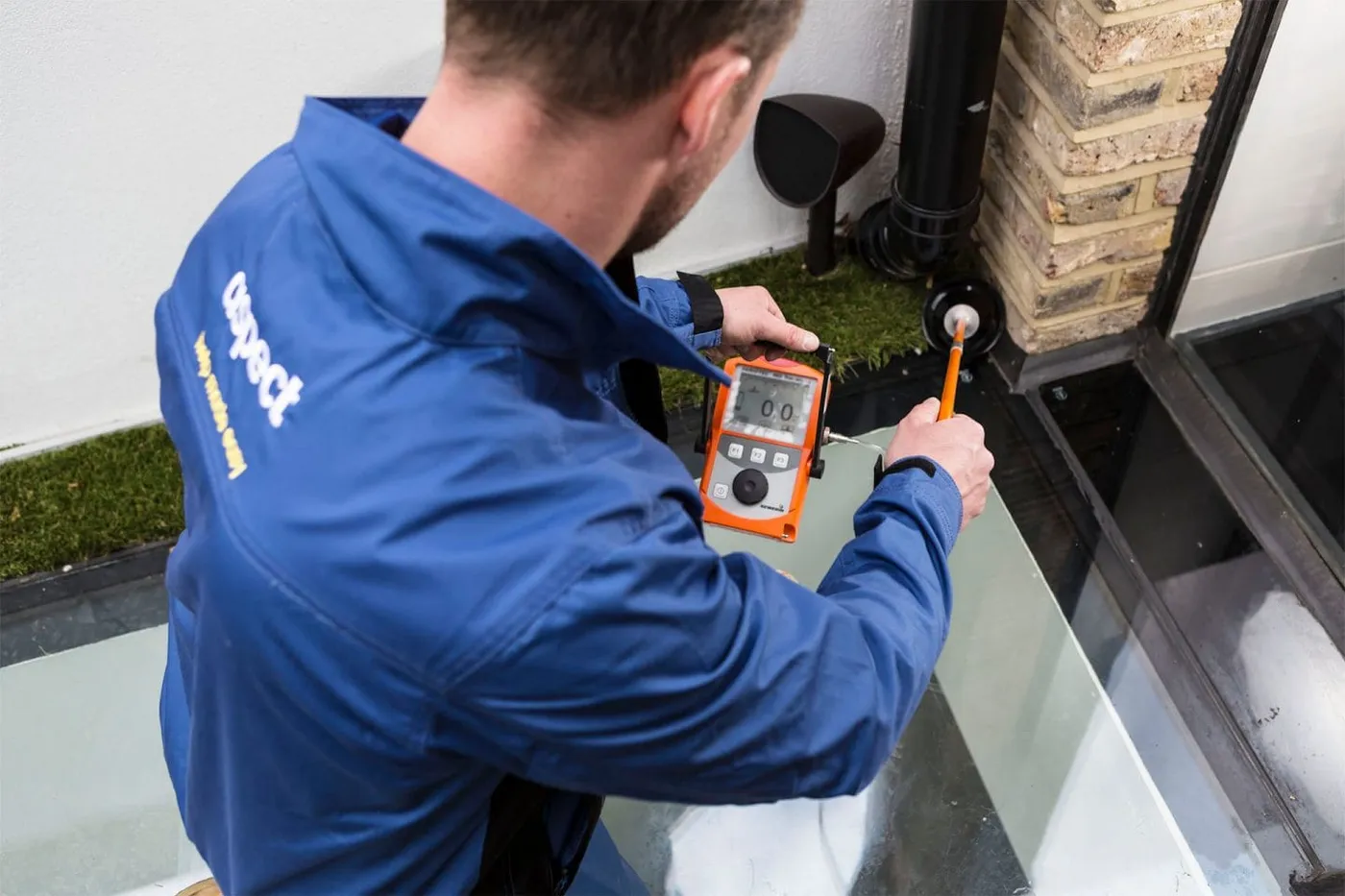
Our guide details the systematic, non-invasive technologies—from acoustic listening to thermal imaging—that our engineers use to pinpoint the exact location of a hidden wall leak with minimal disruption.
The Challenge of Concealed Leaks
For landlords and commercial property managers, a leak behind a wall presents a significant diagnostic challenge. Visual inspection is impossible without destructive exploration, and surface symptoms—damp patches, mould growth, or unexplained increases in water meter readings—only indicate a general area. Pinpointing the exact source requires a methodical, technology-driven approach to avoid unnecessary damage and ensure a precise, lasting repair. Our engineers employ a hierarchy of non-invasive detection methods, escalating in specificity based on the leak's characteristics and the building's construction.
Primary Detection Method: Acoustic Listening Devices
The first line of investigation is almost always acoustic. Under pressure, water escaping from a pipe creates a distinct high-frequency sound. Our engineers use ground microphones and advanced electronic listening devices to amplify these sounds through wall surfaces. By moving the sensitive probe in a grid pattern, they can trace the sound to its point of maximum intensity, identifying the leak's epicentre. This method is exceptionally effective for pressurised mains water leaks but requires a quiet environment and can be less definitive for slower, low-pressure leaks from waste pipes or underfloor heating systems.
Secondary Visualisation: Thermal Imaging Cameras
When acoustic data is inconclusive or to confirm findings, we utilise thermal imaging (thermography). This technology detects subtle temperature differences on a wall's surface caused by leaking water. Escaping hot water from a central heating pipe will create a warm patch, while a cold mains leak can cool the surrounding material, especially when compared to adjacent dry sections. The thermal camera renders these temperature variances into a detailed visual map, highlighting the moisture plume's shape and spread. It is crucial to note that thermal imaging identifies temperature anomalies, which our engineers must then interpret within the context of the building's pipework layout and environmental conditions to confirm a leak.
Tracer Gas Detection for Pinpoint Accuracy
For the most elusive leaks, particularly in complex commercial builds or where other methods yield ambiguous results, we deploy tracer gas technology. The suspect pipe section is isolated and pressurised with a safe, inert mixture of hydrogen and nitrogen. This gas, much less viscous than water, escapes through the smallest of breaches and permeates through wall cavities to the surface. Our engineers then use highly sensitive gas detectors to 'sniff' the exterior of the wall. The detector provides an audible signal that increases in frequency as it approaches the exact exit point of the gas, correlating directly to the leak location with millimetre precision. This is our most definitive method for locating very small or hard-to-find breaches.
The Systematic Approach to a Precise Repair
Our process is never reliant on a single tool. We follow a diagnostic sequence: starting with a thorough assessment of symptoms and pipework plans, moving to acoustic investigation, and corroborating with thermal imaging or tracer gas as required. This layered, technical approach allows us to present you with a precise coordinate for the leak, often down to a specific tile or section of plasterboard. This precision enables a targeted, minimal-access repair, saving significant time, restoration cost, and tenant disruption compared to exploratory demolition. For property professionals, this translates to a faster return to occupancy and the confidence that the root cause has been conclusively addressed.
Frequently asked questions
Can you always find a leak without breaking into the wall?
In the vast majority of cases, our combination of non-invasive technologies allows us to pinpoint the leak's exact location without exploratory damage. The goal is to provide a single, targeted access point for repair. Only in rare instances of exceptionally complex pipework or multiple concurrent leaks would exploratory work be suggested, and this would always be discussed and authorised first.
What is the most accurate leak detection method for behind walls?
Tracer gas detection is generally considered the most precise method for locating concealed leaks. As the gas escapes from the minutest breach and is detected at the surface, it can identify the exact exit point with exceptional accuracy. It is often used to confirm findings from acoustic or thermal surveys, providing definitive proof before any repair work begins.
As a landlord, what are the immediate signs I should look for?
Key indicators include localised damp patches or staining that worsens, peeling paint or wallpaper, a musty odour of mould, unexplained cold spots on walls, and a continuously running water meter when all fixtures are off. Prompt investigation using the methods described prevents extensive structural damage, mould remediation issues, and potential disputes with tenants over habitability.