Diagnosing and Resolving a Shower Leak Through the Ceiling: A Technical Guide
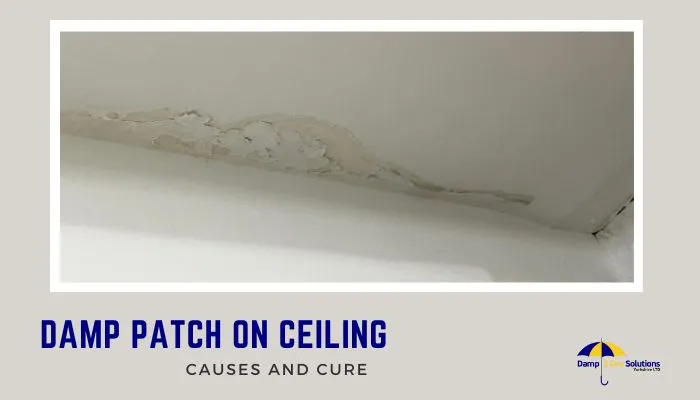
A shower leak through a ceiling demands precise diagnosis. We outline the systematic technical approach our engineers use to isolate the source, from shower tray integrity to concealed pipework.
Systematic Diagnosis of a Ceiling Leak from Above
When water stains appear on a ceiling directly beneath a shower, the immediate assumption is a failed seal. However, our leak detection methodology requires a more systematic approach to isolate the exact point of failure. The process begins with a non-invasive assessment, ruling out condensation from inadequate ventilation before proceeding to technical tests. We employ moisture meters to map the extent of saturation within the ceiling void and surrounding joists, which provides critical data on the leak's origin point and severity. This initial survey dictates the subsequent, more targeted investigative steps.
Technical Inspection of Shower Enclosure Components
The integrity of the shower enclosure itself is the primary focus. Our engineers conduct a detailed examination of the shower tray or wet area floor, checking for hairline cracks, poor jointing with wall surfaces, and failed sealant at the tray-to-wall interface. We assess the waste outlet and trap for leaks under the tray, which are a common but often overlooked source. For tiled enclosures, we perform a grout and tile integrity check, as degraded grout or cracked tiles can allow significant water ingress over time. Shower valve and riser pipe connections within the enclosure are also inspected for signs of weeping or high-pressure leaks during operation.
Advanced Leak Detection for Concealed Pipework
If the enclosure inspection proves inconclusive, the investigation moves to the concealed supply and waste systems. Our engineers utilise specialised acoustic listening devices to detect the sound of water escaping under pressure from pipes within walls or floors. For non-pressurised waste pipe leaks, we may employ drain tracing dye tests or micro-camera inspection of the waste pipe run to identify cracks or faulty joints. Thermal imaging cameras are also deployed to identify temperature anomalies caused by water leakage within the structure, helping to pinpoint the exact location without unnecessary destructive exploration. This precision allows for minimal intervention to effect a permanent repair.
Implementing a Precise and Lasting Repair
Once the exact source is isolated, the repair strategy is determined by its nature and location. For failed seals or tray cracks, we execute a full removal of old sealant and debris before applying new, high-performance sanitary sealants with precise bead profiles. For leaking pipework, we recommend and install either a targeted sectional repair or, where corrosion is evident, a full replacement of the affected run using modern, corrosion-resistant materials. Crucially, we ensure the ceiling void and affected structural timbers are properly dried using professional dehumidification equipment to prevent secondary damage like rot or mould, providing a complete resolution.
Frequently asked questions
Is a shower leak through the ceiling always caused by the shower tray?
No. While a failed tray seal or crack is a common culprit, our engineers frequently isolate sources including leaking shower valve connections, cracked waste pipes, failed grout in tiled areas, or even high-pressure leaks from the supply riser. Precise diagnosis is essential to avoid misdirected repairs.
What non-destructive methods do you use to locate the leak?
Our standard diagnostic toolkit includes electronic moisture mapping to trace water pathways, acoustic listening devices to pinpoint the sound of pressurised leaks, and thermal imaging cameras to visualise temperature differentials caused by moisture. These methods allow us to isolate the problem area with high accuracy before any physical investigation is required.
Why is professional drying necessary after the leak is fixed?
Water trapped within a ceiling void or timber joists does not simply evaporate. It creates an ideal environment for timber decay fungi (rot) and mould growth, compromising structural integrity and indoor air quality. Our engineers use industrial-grade dehumidifiers and air movers to achieve a verified dry standard, preventing these secondary damages.