Bathroom & Shower Leak Detection in London: Methods & Technical Solutions
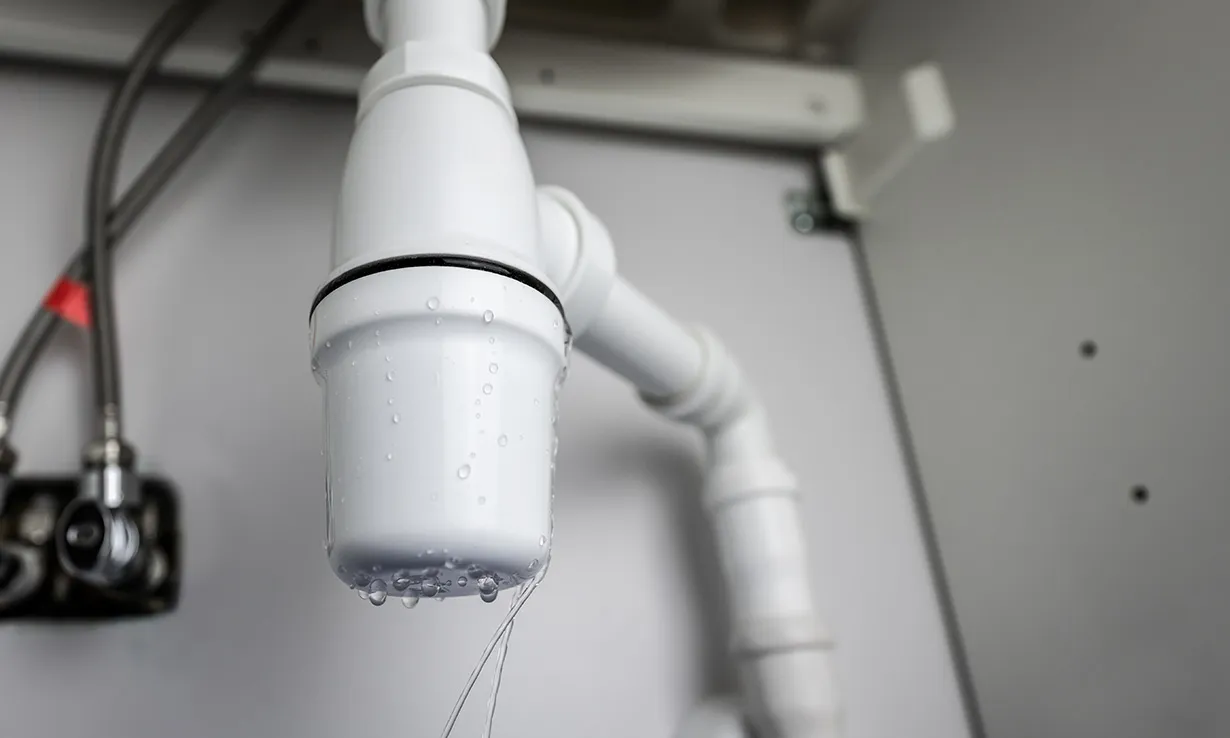
A technical overview of precise, non-invasive methods for isolating and diagnosing leaks in bathroom and shower systems, aimed at property professionals.
Technical Challenges of Bathroom & Shower Leak Diagnosis
Bathroom and shower leaks present a distinct diagnostic challenge due to the convergence of multiple water systems within a confined, often highly finished space. The primary systems at fault typically include the pressurised hot and cold water supply, the low-pressure waste system, and the sealed waterproofing envelope of the shower itself. Water travels via capillary action and gravity, meaning the visible damp patch on a ceiling below is rarely directly beneath the leak source. Our engineers approach this by systematically eliminating potential sources, starting with the pressurised supply lines, which are the most common culprits for active, continuous leaks.
Precision Detection Methods for Water Ingress
We employ a hierarchy of non-invasive and minimally invasive techniques to pinpoint leaks with precision. The initial phase involves pressure testing the hot and cold water supply lines in isolation. By isolating a specific pipe run—for instance, the feed to the shower mixer valve—and monitoring pressure decay with calibrated gauges, we can confirm or rule out a breach in the pressurised system. For shower tray and waterproofing failures, we utilise electronic moisture mapping. This involves using sensitive hygrometers and thermal imaging cameras to trace the extent and gradient of moisture migration behind tiles and under floors, identifying the epicentre of the leak without destructive investigation.
When access is limited, such as with buried pipework in screed or behind fixed panels, acoustic listening devices become crucial. These amplify the sound of water escaping under pressure, allowing our engineers to trace the leak's location along a pipe's length. For suspected drain and waste pipe leaks, we perform a separate test using drain cameras and, where appropriate, smoke or dye testing in the waste system. This multi-method approach ensures the diagnosis is grounded in physical evidence, not conjecture, which is essential for justifying remedial works, especially in tenanted or commercial settings.
Critical Considerations for Landlords & Commercial Properties
For property professionals, the imperative is accurate, first-time diagnosis to minimise tenant disruption, repair costs, and secondary damage. A misdiagnosed leak can lead to repeated invasive works, escalating repair bills, and potential disputes. Our technical methodology is designed to provide a definitive report that clearly identifies the failed component—be it a perished O-ring in a shower cartridge, a cracked solvent-weld joint on a waste pipe, or a failed tanking membrane. This specificity is vital for instructing contractors, as the repair for a high-pressure copper pipe is entirely different from resealing a shower tray.
Furthermore, in multi-unit buildings, accurately tracing whether a leak originates from an adjacent property or a common service riser is a frequent requirement. Our engineers use the same suite of technical tests to establish responsibility, often employing correlating leak noise loggers on adjacent pipe sections to triangulate a leak's position within millimetres. This level of precision protects our clients from undertaking repairs for which they are not liable and provides the documented evidence needed for insurance claims or inter-property discussions.
Frequently asked questions
Can you detect a shower leak without removing tiles?
Yes, in many cases. We use electronic moisture mapping and thermal imaging to trace moisture paths behind tiled surfaces. This often allows us to pinpoint the leak source—such as a failed grout line or leaking shower valve—enabling a targeted, minimal repair rather than wholesale tile removal.
What is the most common cause of a leak under a bathroom floor?
The most frequent causes are failures in pressurised supply pipework, particularly at joints or due to corrosion, or leaks from the shower waste trap and seal. Isolating and pressure testing the supply lines is our standard first step to differentiate between a supply leak and a waste water issue.
How do you differentiate between a leaking pipe and condensation in a bathroom?
We use quantitative data. Condensation typically causes uniform, surface-level moisture on cold surfaces. A pipe leak shows a distinct moisture gradient originating from a single point, which is detectable with precise hygrometer readings and thermal imaging that shows a specific 'wet patch' thermal signature within the structure.