Diagnosing a Leaking or Noisy Shower Pump: Technical Causes & Solutions
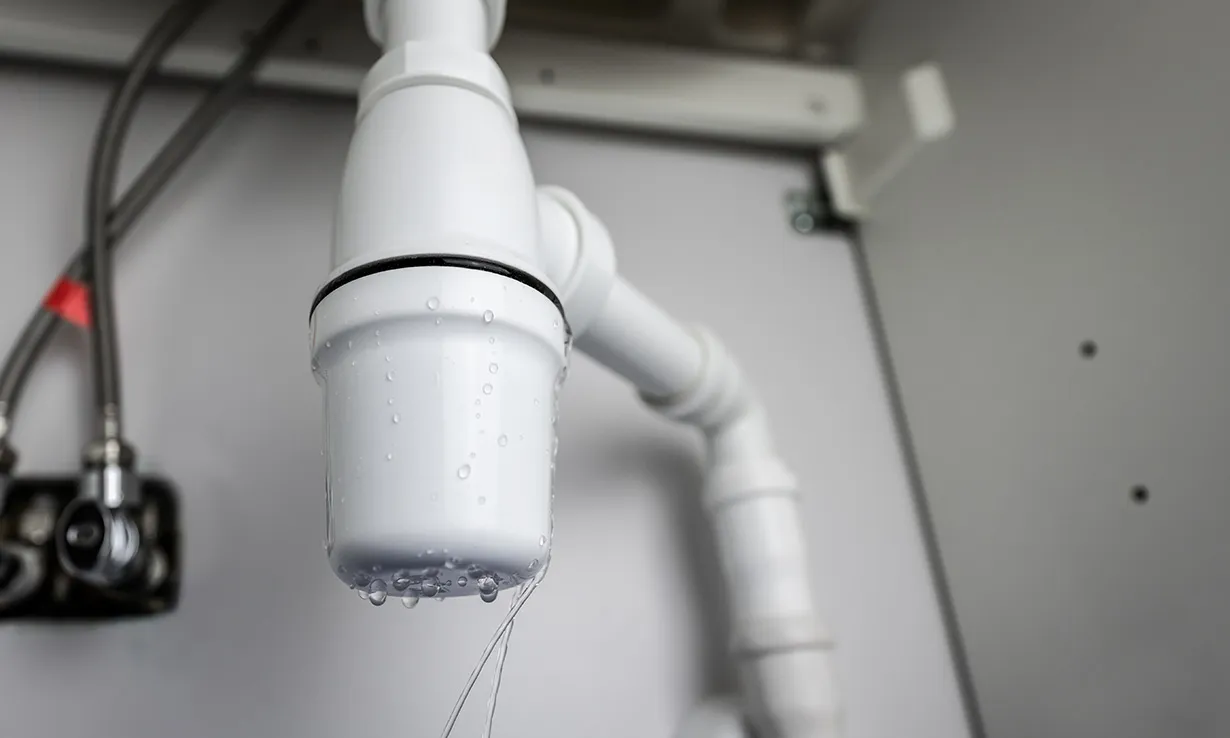
A leaking or noisy shower pump indicates a failure in its mechanical or hydraulic components. Our engineers detail the common failure points and the precise diagnostic approach required.
Hydraulic & Mechanical Failure Points in Shower Pumps
When a shower pump leaks or produces unusual noise, it signals a breakdown in its core hydraulic or mechanical systems. Unlike simple blockages, these faults require a methodical diagnostic approach. Our engineers focus on the pump's internal components: the impeller assembly, shaft seals, pressure relief valves, and inlet/outlet connections. Each failure mode produces distinct symptoms, from a persistent drip to cavitation roar or bearing grind.
Analysing Common Causes of Leaks
Leaks typically originate at mechanical seals or pipe unions. A failed shaft seal, often due to wear or limescale ingress, will allow water to weep from the pump body's central gland. Corroded or cracked pump casings, though less common, present more significant leakage. Equally, high system pressure can cause weeping at threaded connections or force open a fatigued pressure relief valve. Our diagnosis involves isolating the pump, conducting a static pressure test, and inspecting each seal and union with precision tools to pinpoint the exact breach point before any disassembly.
Diagnosing the Source of Unusual Noise
Pump noise falls into specific categories: cavitation, bearing failure, and impeller imbalance. Cavitation—a loud, rattling sound—occurs when the pump draws in air or suffers from restricted inlet flow, causing vapour bubbles to collapse violently inside the impeller chamber. A worn bearing or damaged impeller creates a rhythmic grinding or rumbling vibration, often felt through the pipework. Our technicians use stethoscopes and vibration analysis to isolate the sound source, checking for air ingress at the inlet strainers, verifying non-return valve operation, and assessing impeller integrity.
Precision Intervention & System Considerations
Effective repair requires addressing the root cause, not just the symptom. Replacing a seal without correcting a misaligned shaft or excessive system pressure will lead to rapid re-failure. For noise issues, simply replacing the pump may not solve cavitation if the underlying cause is an undersized cold feed or a faulty air separator. Our engineers evaluate the entire hydraulic circuit, including tank head, pipe diameters, and valve types, to ensure any intervention is durable. For landlords and facility managers, this systems-based approach prevents repeat call-outs and protects the asset.
Frequently asked questions
Can a leaking shower pump be repaired, or does it need full replacement?
It depends entirely on the failure location. A leaking isolation valve or union can often be re-sealed or replaced. However, a cracked pump housing or severely corroded internal casing typically necessitates a full pump replacement. Our engineers will perform a detailed pressure and visual inspection to determine the most cost-effective and reliable solution.
What does it mean if my shower pump is making a high-pitched whining noise?
A high-pitched whine often indicates cavitation or a severely restricted water inlet. This is typically a flow issue, not a direct mechanical pump failure. Causes include a blocked inlet filter, a failing non-return valve, or an undersized supply pipe. This condition can damage the impeller over time and requires investigation of the entire supply system upstream of the pump.
How can we prevent premature shower pump failure in a commercial property?
Prevention focuses on system design and regular maintenance. Ensure the pump is correctly specified for the system's dynamic head and flow rate. Install adequate inlet strainers and service them annually to prevent debris ingress. For hard water areas, consider a scale inhibitor to protect internal seals and moving parts. Regular inspections by a qualified technician can identify early signs of seal wear or bearing noise before a major leak or breakdown occurs.