Why Is My Water Meter Spinning? A Technical Guide to Leak Detection
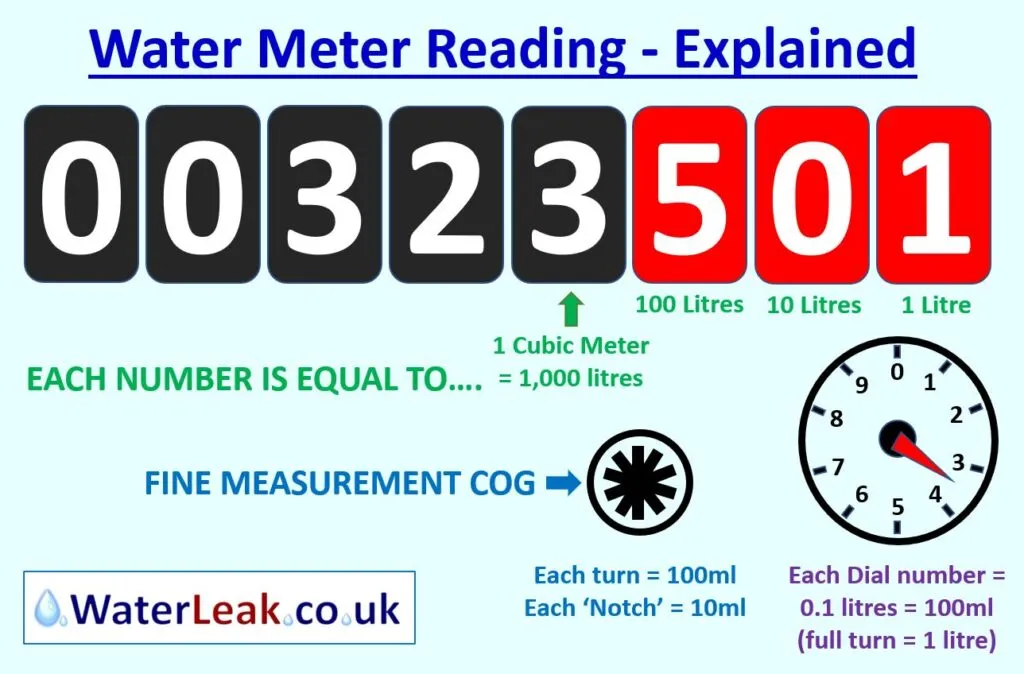
A spinning water meter indicates continuous water flow, often due to a hidden leak. We explain the diagnostic steps and technologies used for precise identification.
Interpreting Water Meter Movement: The Fundamentals
A spinning water meter, or a dial that moves when all fixtures are ostensibly closed, is a definitive indicator of water flow within your system. This is a primary diagnostic trigger for our engineers. The key is to distinguish between the meter's low-flow indicator (often a small red triangle or gear) and the main sweep hand. Movement in either signifies consumption, but the low-flow indicator is calibrated to detect even minor leaks, sometimes as low as a drip per minute. For landlords and commercial property managers, this is a critical first alert to potential wastage and infrastructure damage.
Systematic Isolation Testing: Pinpointing the Leak Zone
Once meter movement is confirmed, a methodical isolation procedure begins. First, we ensure every tap, appliance, and irrigation system is completely off. If the meter persists, the next step is to locate the property's internal stopcock and close it. If the meter stops immediately, the leak is confirmed to be within the internal pipework or fixtures. If it continues, the leak is likely between the meter and the stopcock—a supply-side issue often requiring urgent attention. This binary test is a cornerstone of efficient leak localisation.
For internal leaks, further isolation involves sectional valve closures in larger commercial properties or monitoring meter response as individual branch lines are systematically shut down. This process, while seemingly straightforward, requires precise knowledge of a building's manifold layout and may involve accessing underfloor or ceiling voids. Our engineers map these systems to narrow the search field before deploying more advanced technology.
Beyond the Meter: Precision Technologies for Hidden Leaks
Isolation identifies a zone, not the exact breach. This is where our technical axis shifts to precision detection. For suspected leaks in pressurised pipes behind walls or under slabs, we employ specialised acoustic listening devices. These ground microphones and correlators detect the high-frequency sound of water escaping under pressure, filtering out ambient noise. In commercial settings with complex conduit, thermal imaging cameras can sometimes reveal temperature anomalies caused by leaking water, though this is more effective for heating systems or cold-water leaks in warm environments.
For non-metallic pipes or where acoustic methods are inconclusive, tracer gas detection offers a highly sensitive alternative. We inject a safe, inert hydrogen-based mix into the isolated pipe section. This gas, being much less viscous than water, escapes through the smallest puncture and rises to the surface, where it is detected by a sensitive probe. This method is exceptionally precise for locating leaks under concrete floors or in complex, multi-layer commercial structures.
Actionable Steps and Professional Assessment
If your meter spins, first conduct the basic internal stopcock test. Persistent movement warrants a professional investigation. Undetected leaks, even small ones, lead to structural deterioration, mould growth, and inflated utility bills—a significant liability for property portfolios. Our approach combines systematic hydraulic analysis with targeted technological deployment to locate leaks with minimal invasive searching. This precision not only fixes the immediate issue but provides a documented audit of the affected system's condition.
Frequently asked questions
Can a water meter spin without a leak?
While rare, faulty meter mechanisms can occur. However, our first principle is to assume a leak until proven otherwise. The isolation test is definitive: if closing the internal stopcock stops the meter, the flow is internal. If a meter is suspected faulty, the water supplier must be contacted for testing, but systematic leak detection should always be completed first.
What is the most common cause of a spinning meter in a vacant property?
In a vacant property with all fixtures off, a spinning meter almost always indicates a leak in the underground supply line between the meter and the building, or in a concealed internal pipe, such as under a concrete slab. Toilets with silently failing flapper valves are also a frequent culprit, even when not in use.
How precise are electronic leak detection methods?
Modern acoustic correlators can often pinpoint a leak's location to within a few centimetres by analysing the sound wave travel time between two sensors. Tracer gas detection is even more sensitive, locating leaks as small as pinholes. The precision depends on pipe material, depth, pressure, and surrounding substrate, which is why our engineers select the technology based on the specific site assessment.