Burst Pipe in Winter: Immediate Actions and Technical Detection
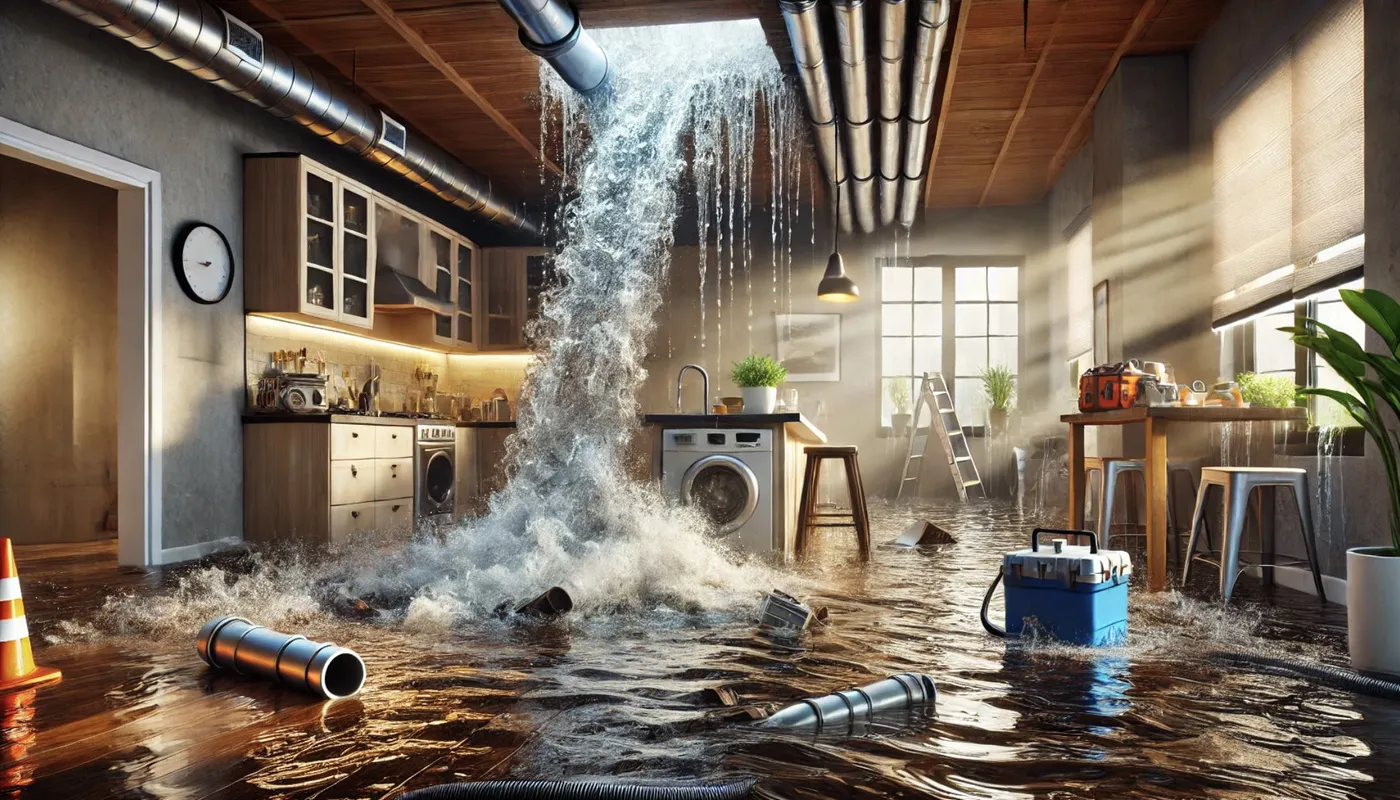
A burst pipe in winter demands a precise, technical response. This guide details immediate isolation procedures and the advanced detection methods our engineers employ to locate and resolve the failure.
Immediate Technical Response Protocol
Upon discovering a burst pipe, the primary objective is to halt water flow and electrical hazard. First, locate the main stopcock, typically found under the kitchen sink or in a utility cupboard, and turn it clockwise to isolate the entire property's water supply. For commercial premises with multiple risers, identify and close the relevant zone valve. Simultaneously, switch off the central heating system and immersion heater at the mains to prevent dry firing and damage. Our engineers stress the importance of draining the system by opening cold taps to relieve residual pressure in the pipes, a critical step to mitigate further leakage.
Advanced Leak Detection and Diagnostics
Once the immediate crisis is contained, precise leak location is paramount. We utilise non-invasive electronic leak detection, employing sensitive acoustic listening devices to pinpoint the sound of water escaping under pressure or floorboards. For concealed leaks within walls or under screed, our methodology includes thermal imaging cameras to identify temperature anomalies caused by escaping water, and tracer gas detection, where inert, non-toxic gas is introduced into the pipework to escape at the breach point and is detected by sensitive sensors. This technical approach minimises destructive investigation and accurately locates the failure.
For landlords and commercial property managers, understanding the failure mode is crucial. The root cause is often pipework fatigue from repeated freeze-thaw cycles. Water expands as it freezes, creating immense pressure at pipe joints or weak points. Our inspection includes a full assessment of insulation compliance and identifying vulnerable sections, such as pipes in external walls or unheated voids, to prevent recurrence. We document the failure analysis and repair methodology in detail for your asset records.
Post-Repair System Integrity and Prevention
The repair itself is only one component. Following any intervention, our engineers conduct a full system integrity test, pressurising the repaired section and monitoring for pressure decay to confirm the seal. We then recommend a professional review of lagging, particularly in loft spaces, plant rooms, and external risers. For complex commercial systems, installing frost stats or trace heating on vulnerable lines may be advised. Proactive thermal surveys in autumn can identify areas of missing insulation before the first frost, forming a key part of a technical maintenance strategy to safeguard against winter pipe failures.
Frequently asked questions
What is the most precise method for locating a hidden burst pipe?
For concealed leaks, we deploy a combination of correlating acoustic listening devices and thermal imaging. Acoustic detection pinpoints the sound signature of the leak, while thermal imaging visualises the temperature differential caused by escaping water. In complex cases, tracer gas detection provides the highest precision, especially for pipes under concrete or in cavity walls, as the gas will find the path of least resistance to the surface.
As a landlord, what are my technical responsibilities after a tenant reports a burst pipe?
Your responsibility is to act promptly to prevent damage to the structure and tenant's belongings. This involves arranging immediate isolation of the water supply and engaging a specialist with technical detection equipment. You must ensure a competent repair that restores the system to correct working order and complies with building regulations. A post-repair inspection report detailing the cause and remedy is also advisable for compliance and future risk assessment.
Why might a pipe burst even in a moderately heated commercial property?
Localised cooling in unheated voids, such as ceiling plenums, riser ducts, or plant rooms with poor airflow, can create a micro-climate where pipe temperatures plummet. Draughts from service entries or air vents can compound this. Furthermore, thermal contraction of pipes during rapid cooling can stress soldered joints or compression fittings. Our surveys often find that insulation is absent or has degraded at these specific points, leading to a localised freeze event.