Diagnosing Water Leaking from Your Boiler: Causes & Technical Solutions
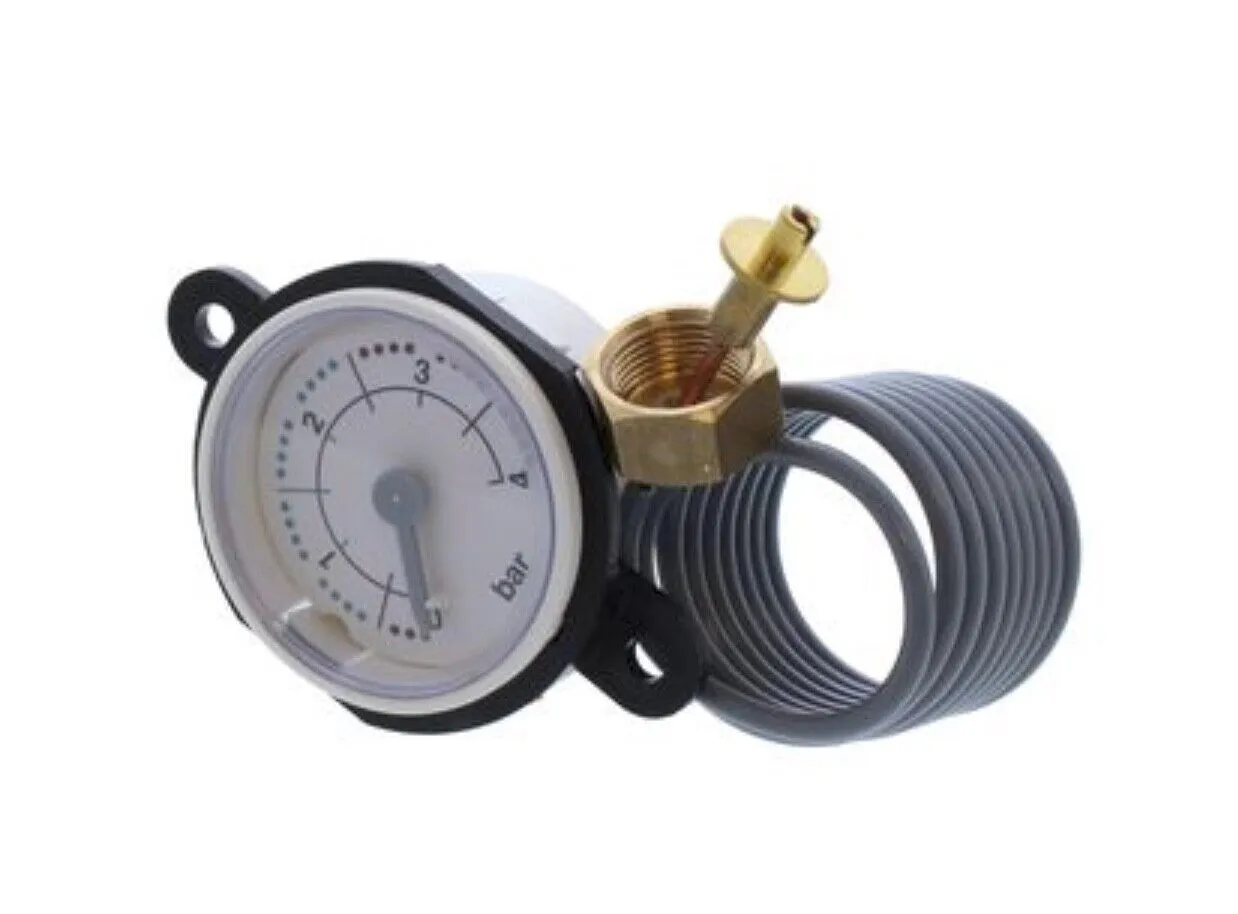
A boiler leak is a symptom requiring precise technical diagnosis. We explain the common failure points, from pressure relief valves to internal corrosion, and the advanced detection methods used to locate them.
Precision Diagnostics for Boiler Leak Sources
When water leaks from a boiler, it indicates a system failure that demands immediate, accurate identification. Our approach for landlords and commercial property managers is rooted in systematic technical diagnosis, moving from external fittings to internal components. The source of the leak dictates the urgency and the repair pathway; a weeping pressure relief valve is a different class of problem to a corroded heat exchanger. We begin by isolating the boiler from the system and conducting a visual and instrumental inspection to trace the moisture to its origin point.
Common Technical Failure Points and Their Indicators
The primary causes of boiler leaks are mechanical failures or material degradation. At the top of the list are pressure relief valve (PRV) discharges, often evidenced by a drip from an external pipe. This can signal over-pressurisation, often from a failed expansion vessel. Secondly, leaks from pump seals or valve joints are common, typically presenting as localised weeping at mechanical connections. The most technically severe cause is internal corrosion, such as a pinholed heat exchanger or a fractured boiler seal. This often manifests as leaking from the boiler's base or casing and requires immediate attention to prevent catastrophic failure.
For commercial installations, the scale amplifies the risk. Corrosion in a large system can be accelerated by poor water quality or electrolytic action, while leaks from manifold connections on multiple boiler setups are a frequent finding. Our engineers use thermal imaging cameras to identify temperature anomalies that betray hidden leaks within casings or pipework, and electronic leak detection to pinpoint the exact origin of moisture trails, even within walls or floors adjacent to the boiler.
Systematic Investigation and Remediation Protocols
Our diagnostic protocol is non-invasive where possible. We assess system pressure, check the expansion vessel pre-charge, and test the operation of the pressure relief valve. For suspected internal corrosion, a combustion gas analyser can sometimes detect flue gas contaminants in the water, a tell-tale sign of a heat exchanger breach. In complex commercial plants, we employ ultrasonic flow detectors to listen for the high-frequency sound of a pressurised leak escaping a tiny orifice, a method invaluable for pressurised systems where visual confirmation is impossible.
Remediation is strictly cause-based. A faulty PRV is replaced, and the cause of over-pressurisation rectified. A leaking pump seal requires a seal kit or pump replacement. A corroded heat exchanger, however, often necessitates a boiler replacement—a critical cost-assessment point for property owners. For landlords, a precise diagnosis is essential for justifying repair versus replacement decisions and for maintaining compliance with safety regulations. Our reports detail the failure mode, its cause, and the technical rationale for the recommended solution, providing a clear audit trail for property management.
Frequently asked questions
Is a leaking boiler always an emergency?
While not all leaks indicate immediate danger, they always signify a fault that will worsen. A leak from the pressure relief valve or a visible crack requires urgent attention to prevent pressure loss or water damage. Internal leaks from the heat exchanger can pose carbon monoxide risks and demand immediate shutdown and professional investigation.
What non-invasive methods do you use to find hidden boiler leaks?
We primarily use thermal imaging and ultrasonic detection. Thermal imaging cameras visualise temperature differences caused by escaping hot water or condensation from a cold leak. Ultrasonic detectors pick up the high-frequency sound of fluid under pressure escaping a small breach, allowing us to pinpoint leaks inside casings or within adjacent structures without destructive exploration.
For a commercial property, what are the main risks of a recurring boiler leak?
Beyond operational downtime and water damage, recurring leaks point to systemic issues like chronic water chemistry problems, electrolytic corrosion, or repeated over-pressurisation. This can lead to cascading component failures, significantly higher long-term costs, and potential non-compliance with health and safety or insurance requirements. A precise root-cause analysis is essential for a permanent solution.