Washing Machine or Dishwasher Leak Detection: A Technical Guide
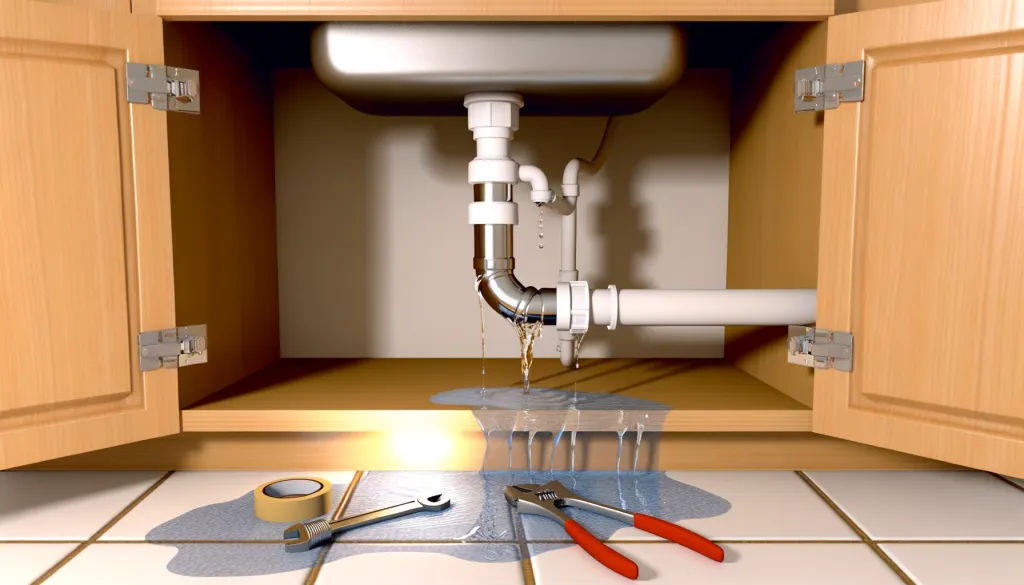
A systematic approach to diagnosing and containing leaks from washing machines and dishwashers, focusing on isolation, component inspection, and professional intervention.
Systematic Isolation and Initial Diagnosis
When a leak is suspected from an integrated appliance like a dishwasher or washing machine, the first critical step is isolation. Our engineers initiate by halting the appliance's cycle and disconnecting it from its power source. The subsequent action is to locate and close the appliance's dedicated isolation valve, typically found on the cold water supply line behind or adjacent to the unit. This immediate containment prevents further water ingress and potential secondary damage to subfloors and adjacent cabinetry.
Following isolation, we conduct a visual and tactile inspection of the immediate area. We map the visible moisture, noting its primary accumulation point and any migration paths. Crucially, we differentiate between clear water, which suggests a fresh supply line issue, and soapy or greasy water, which points to a waste connection or internal appliance failure. This initial triage informs the subsequent, more granular phase of component-level inspection.
Component-Level Leak Source Identification
The complexity of modern appliances requires a methodical check of specific failure points. Our diagnostic protocol examines components in sequence. We first inspect all accessible hose connections—inlet, drain, and internal circulation hoses—for splits, perishing, or loose jubilee clips. Using a torch and mirror, we check the condition of the solenoid valve on the water inlet, a common point of failure that can cause intermittent dripping.
Next, we assess the appliance's pump assembly. For washing machines, we run a short drain cycle with a shallow container underneath to check for seal leakage. For dishwashers, we examine the pump and sump area for cracks or blockages that cause overflow. We also scrutinise door seals and gaskets for tears, mould degradation, or misalignment, which can allow water to escape during fill or wash cycles. The appliance's internal tub and outer casing are inspected for stress fractures, a fault more common in older units.
Finally, we verify the integrity and correct installation of the waste trap and standpipe. An incorrectly configured or blocked standpipe can cause back-siphoning during a drain cycle, creating a leak event that appears to originate from the appliance itself. This step often involves detaching the waste hose to inspect the trap.
When Professional Leak Detection is Required
If the source remains elusive after component inspection, the leak may be subsurface or within pressurised internal channels not visible during a standard check. At this stage, our engineers deploy non-invasive detection technologies. Acoustic listening devices can pinpoint the high-frequency sound of pressurised water escaping from a compromised pipe or joint behind the appliance housing. Thermal imaging cameras are invaluable for visualising temperature differentials caused by water migration within walls or under flooring, revealing the leak's primary source and full extent without destructive investigation.
For landlords and commercial property managers, this technical precision is essential. It allows for a targeted repair—whether a specific hose replacement or a sealed joint—rather than unnecessary appliance replacement or extensive cabinet removal. Documenting the precise failure point with imagery and a technical report also provides clarity for warranty claims or maintenance records. Our intervention concludes with verifying the fix under operational pressure and providing guidance on preventative maintenance schedules for hoses and seals.
Frequently asked questions
What is the most common technical failure causing a washing machine leak?
From our technical experience, failures most frequently occur at connection points. This includes perished or split inlet/drain hoses with degraded rubber, and failed solenoid valves on the cold water inlet. Internal circulation hose clips can also loosen over time due to vibration.
How can I tell if a dishwasher leak is from the supply line or the waste system?
Conduct a simple isolation test. Turn off the appliance's isolation valve. If the leak stops, the issue is likely on the pressurised supply side (inlet valve, hose). If leaking continues or occurs during drain cycles, suspect the waste system (pump seal, drain hose, or a blockage in the standpipe causing backflow).
Why is thermal imaging used for appliance leak detection?
Thermal imaging cameras detect subtle temperature differences. Escaping water often cools the surrounding materials. This allows our engineers to visualise the exact path of hidden water migration behind kickboards, under flooring, or within walls without invasive probing, ensuring a precise diagnosis of the primary leak source.