How to Locate and Repair Leaks in Conservatory & Extension Roofs
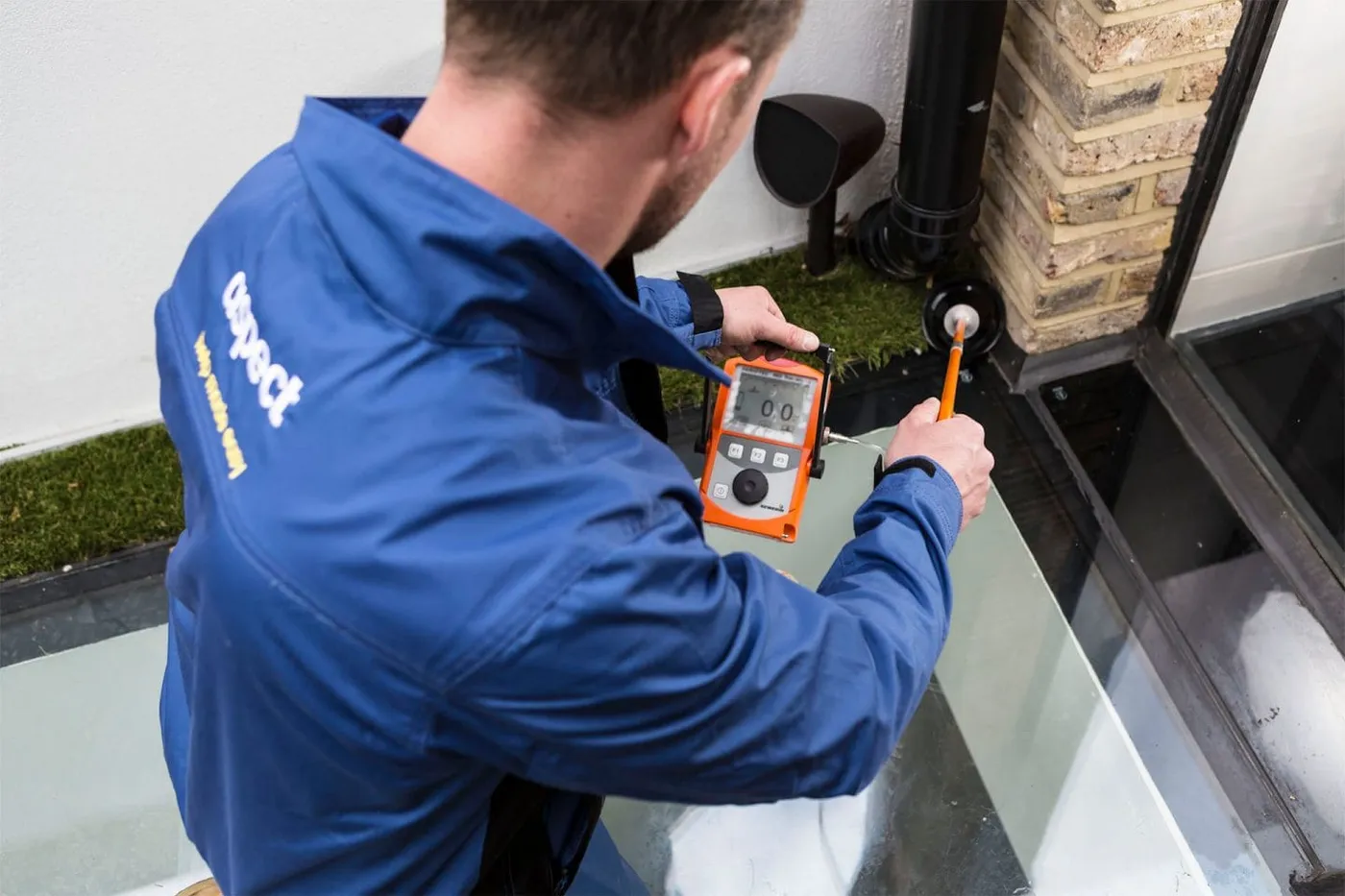
We detail our targeted use of thermal imaging and acoustic sensors to diagnose and repair water ingress in conservatory and extension roofs, explaining the technical approach for lasting results.
Water ingress in a conservatory or extension roof presents a specific diagnostic challenge. The lightweight structure, multiple panel joints, and complex integration with the main building envelope require a precision approach. We do not rely on surface-level inspections alone; our methodology employs targeted technology to locate the exact point of failure beneath the surface.
Precision Diagnostic Methods for Complex Roof Structures
The key to a permanent repair is an accurate diagnosis. We begin with a thorough visual inspection of both the interior and exterior, looking for common failure points such as degraded seals on polycarbonate or glass panels, compromised flashing where the roof meets the main wall, or splits in membrane materials. However, visual cues like interior staining often appear some distance from the actual entry point due to water tracking along framework. To overcome this, our engineers deploy non-invasive detection technology. Thermal imaging cameras are particularly effective on these structures, as they can identify subtle temperature differences caused by damp insulation or water tracking within the roof cavity, even before significant internal damage is visible.
Targeted Technology: From Detection to Verified Repair
For leaks that are active during our inspection, we utilise advanced acoustic listening devices. These sensors can pinpoint the precise sound of water dripping within a roof void or behind a lining, guiding us to the exact breach. This eliminates unnecessary exploratory work and minimises disruption. Once the ingress point is confirmed, our repair strategy is equally precise. We do not simply apply sealant over a suspect area. Instead, we address the root cause: replacing failed gaskets, properly reinstalling and sealing flashings according to manufacturer specifications, or repairing underlying membrane integrity. The repair is then verified, often using a controlled water test to confirm the seal is restored before we consider the job complete.
Why a Technical Approach Saves Time and Cost
For landlords and commercial property managers, an unresolved roof leak in an extension represents an ongoing liability. Moisture intrusion can lead to secondary damage, mould growth, and tenant complaints. A methodical, technology-led diagnosis may seem like an additional step, but it is ultimately the most cost-effective path. It prevents a cycle of temporary fixes and repeated call-outs by ensuring the first repair is definitive. Our approach provides a clear audit trail of the fault and the remedy, which is invaluable for property maintenance records and warranty purposes.
Addressing leaks in these modern structures demands an understanding of their specific construction and failure modes. Our combination of technical knowledge and targeted detection equipment allows us to isolate the problem efficiently. This precision not only stops the immediate leak but also helps protect the long-term integrity and value of your property extension.
Frequently asked questions
Why can't I just see where the leak is coming from?
In conservatory and extension roofs, water often enters at a seam, flashing, or panel joint high up, then travels along the internal framework or insulation before dripping down visibly. The stain inside is frequently a secondary symptom, not the source. Our technology maps this hidden water path to find the true entry point.
What technology do you use to find these leaks?
Our primary tools for these diagnoses are thermal imaging cameras and acoustic leak detectors. Thermal imaging visualises moisture patterns within the structure, while acoustic sensors pinpoint the sound of active dripping within cavities. This non-invasive approach accurately locates the breach without guesswork or unnecessary damage to the roof fabric.
Is a repair enough, or will the whole roof need replacing?
In the majority of cases, a precise repair targeted at the specific failed component—such as a seal, gasket, or section of flashing—is sufficient. Total roof replacement is rarely necessary unless there is widespread, systemic failure of the material itself. Our precise diagnosis ensures the repair scope is correct and cost-effective from the outset.