Saniflo Macerator Leaking or Blocked: Diagnosis and Technical Solutions
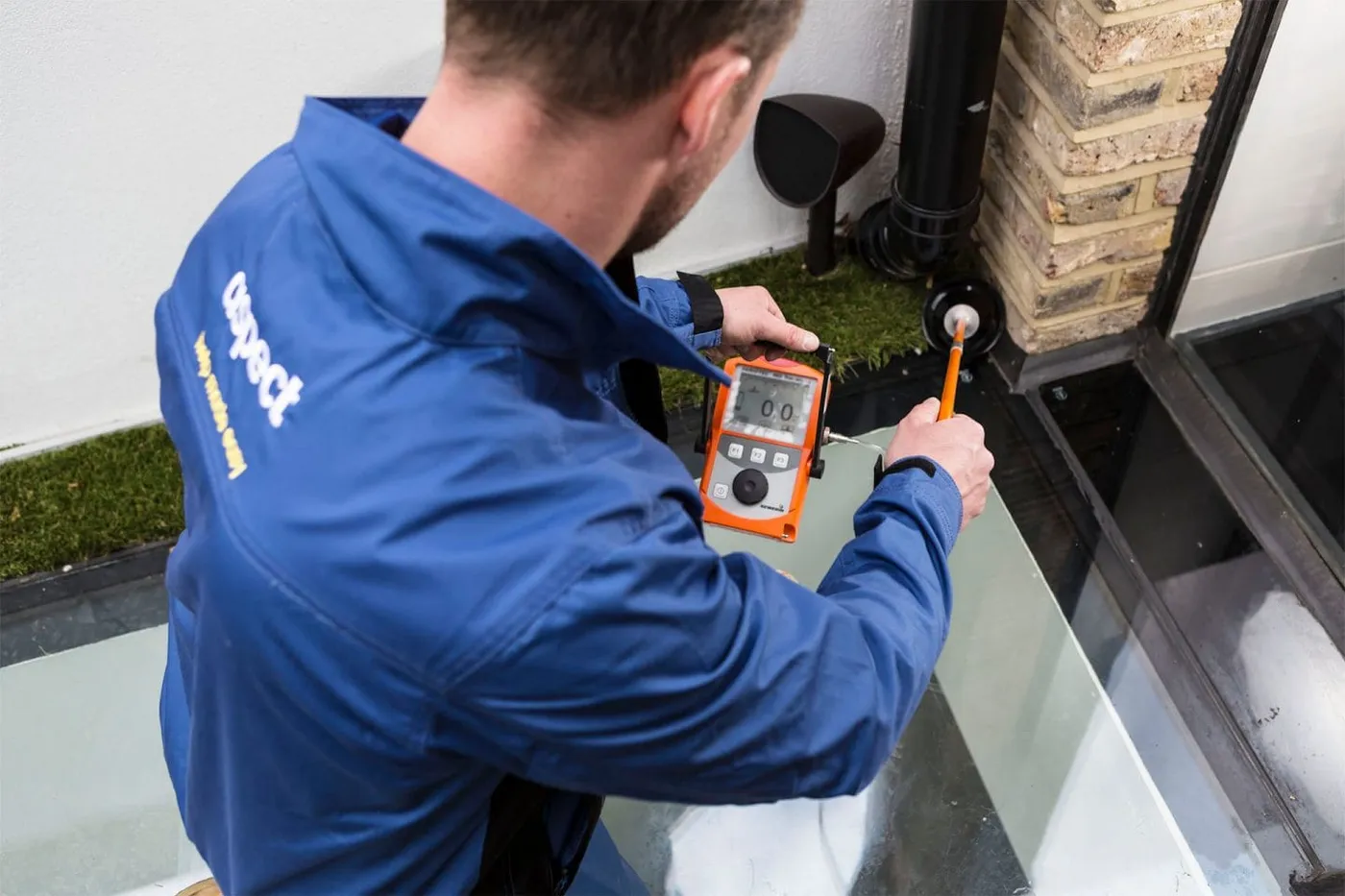
A leaking or blocked Saniflo macerator requires precise technical diagnosis. Our guide details the common failure points and the specialised detection methods our engineers use for effective resolution.
Understanding Macerator System Vulnerabilities
Saniflo and similar macerating toilet systems are engineered solutions for locations without conventional gravity waste drainage. Their operation involves a cutting impeller and a centrifugal pump, creating specific failure modes distinct from standard plumbing. When these units leak or block, the issue is typically internal to the pump housing, the inlet/outlet seals, or the non-return valve mechanism. Our approach to diagnosis is systematic, isolating the component failure before any intervention.
Precision Diagnosis: Leak Source Identification
A visible leak demands immediate attention to prevent water damage and electrical hazards. Our engineers begin by precisely tracing the moisture source. We isolate whether the leak originates from the pump body seal (indicating bearing or seal failure), the inlet connector from the toilet pan, or the outlet pipe union. Using specialised moisture detection tools and visual inspection under controlled conditions, we can often determine the failed component without disassembly. For example, water at the base of the unit often points to a failed main shaft seal, while leakage from the top suggests inlet or motor housing gasket failure.
It is critical to distinguish between a leak and condensation, which is common on cold-fill models in humid environments. Our thermal imaging cameras can identify temperature differentials that confirm active leaking versus surface condensation, preventing unnecessary pump replacement. For landlord and commercial clients, this precision avoids misdiagnosis and ensures the repair quote accurately reflects the required work.
Technical Resolution for Blockages and Performance Issues
A blockage in a macerator system manifests as poor flushing, pump overrun, or complete failure to evacuate. Unlike a simple drain clog, a macerator blockage is frequently located within the pump chamber itself or the immediate discharge pipe. Our engineers first conduct a non-invasive assessment, checking the external non-return valve and listening to the pump cycle with a stethoscope to identify if the impeller is jammed or struggling.
If an internal blockage is confirmed, the technical disassembly process is meticulous. Common culprits include non-biodegradable wipes, excessive sanitary products, or limescale buildup on the impeller blades. We employ miniature endoscopic cameras post-disassembly to inspect the cutting mechanism and chamber for damage or wear. Crucially, we also test the pump motor and micro-switches electrically to ensure the blockage has not caused secondary electrical faults. Simply clearing the obstruction is insufficient; a full functional test of all components is necessary for a reliable, long-term fix.
Preventative Maintenance for Asset Longevity
For property managers, preventative maintenance is key to avoiding emergency call-outs. We advise a strict regime: only human waste and toilet paper should enter the system. Even products marketed as 'flushable' can cause impeller binding. Annual professional inspection is recommended, where our engineers can conduct performance tests, check seal integrity, and clean the non-return valve. In hard water areas, de-scaling the macerator chamber may be necessary to maintain cutting efficiency and prevent motor strain. This proactive approach, grounded in the technical specifics of the unit, protects your asset and reduces long-term repair costs.
Frequently asked questions
Can a leaking Saniflo macerator cause electrical damage?
Yes, absolutely. The pump unit contains an electric motor and control switches. Water ingress from a failed seal can cause short circuits, motor burnout, or pose a serious shock hazard. If you suspect a leak, isolate the power at the fused spur immediately and seek a professional inspection. Our engineers use insulated tools and conduct safety checks before any diagnostic or repair work.
What is the most common cause of a macerator blockage?
In our experience, the primary cause is the introduction of unsuitable materials. Despite marketing, 'flushable' wipes, cotton buds, sanitary towels, and excessive toilet paper do not disintegrate sufficiently and will wrap around the impeller or jam the pump chamber. Grease and hair can also combine with other debris to form a solid mass. Proper user education is the first line of defence.
Do you need to replace the entire unit if it's leaking?
Not necessarily. Many leaks are due to specific component failures, such as a perished inlet seal or a worn shaft seal kit. Our precision diagnosis aims to identify the exact failed part. A competent technician can often replace these seals and gaskets, restoring the unit to full function at a fraction of the cost of a full replacement. However, if the pump casing is cracked or the motor is water-damaged, a full unit replacement may be the only viable solution.