How to Choose a Leak Detection Company in London: A Guide to Technology & Precision
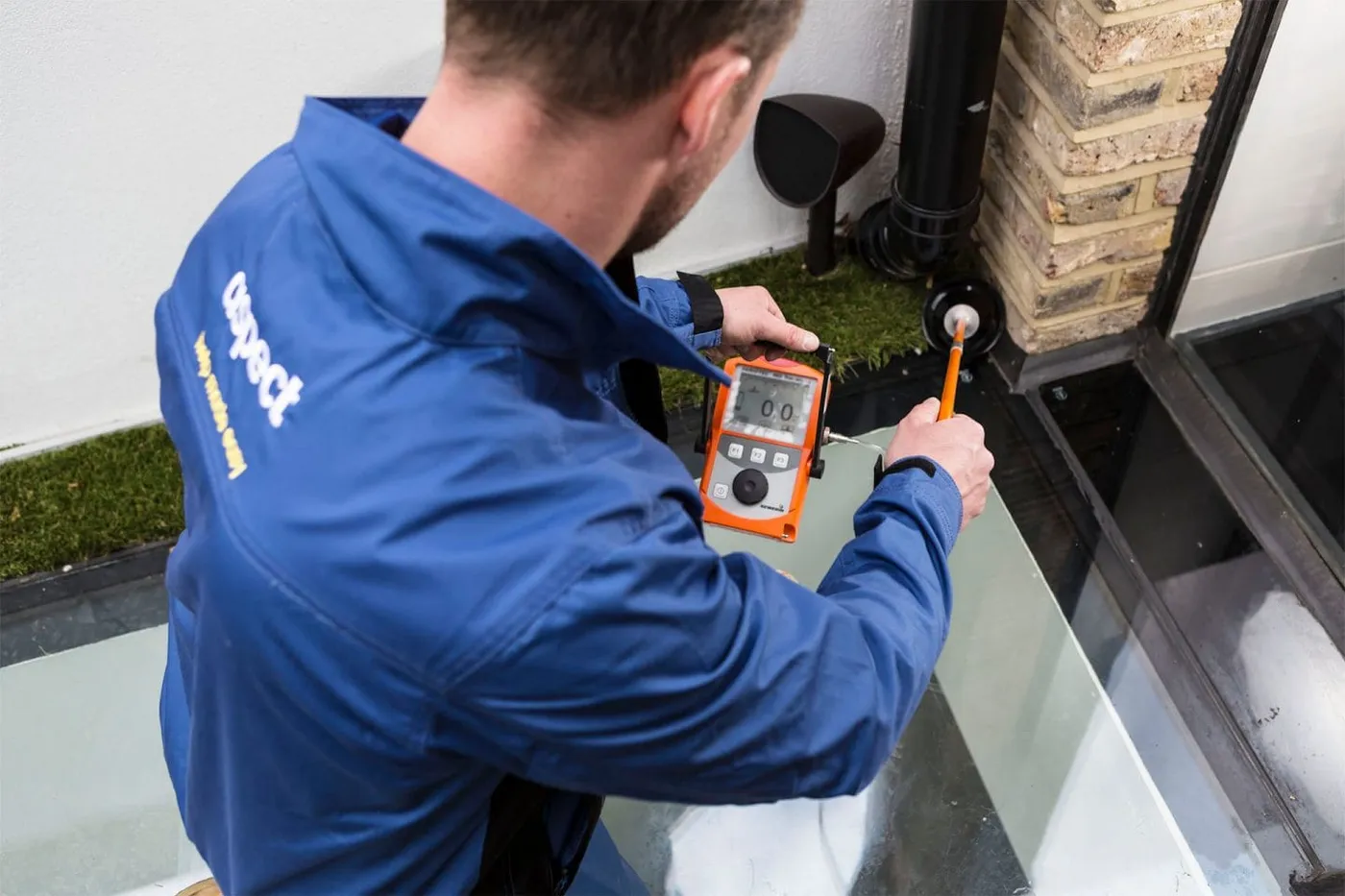
Selecting a leak detection company requires evaluating their technology, methodology, and commercial sector expertise. Here's what to prioritise.
For landlords and commercial property managers, an undiagnosed leak is more than an inconvenience; it's a significant operational and financial risk. When selecting a leak detection service in London, the choice must be driven by technical capability and precision, not just availability. The right company should function as a technical partner, employing advanced methodologies to deliver definitive diagnoses with minimal intrusion. This guide outlines the critical technical factors to evaluate.
Core Detection Methodologies & Technological Capability
The foundation of precise leak detection lies in the methodologies employed. A competent company must offer a multi-faceted, technology-driven approach. Acoustic leak detection remains a cornerstone, but modern practice uses highly sensitive ground microphones and correlators that analyse sound signatures to pinpoint the exact location of a pressurised water leak within a pipe network. For non-invasive investigation, thermal imaging cameras are indispensable, revealing hidden moisture and temperature differentials within walls, floors, and ceilings. Trace gas detection, introducing harmless tracer gases into a pipe system, offers a highly sensitive method for locating even the smallest breaches, especially in underfloor heating or complex commercial systems. Crucially, the decision on which technology to deploy, or in what sequence, is a matter of expert analysis based on the system's construction and symptoms.
Evaluating Expertise for Commercial and Landlord Needs
Commercial and multi-tenant residential properties present unique challenges that demand specific expertise. The scale is greater, systems are more complex (often combining domestic water, fire mains, and process piping), and the cost of operational downtime is high. When vetting a provider, inquire about their experience with similar premises. Our engineers, for example, are accustomed to working within the constraints of occupied commercial buildings, minimising disruption through precise targeting. For landlords, a provider must understand the legal and insurance implications of water damage, providing clear, detailed reports that can be used for claims and contractor briefs. The process should be systematic: from an initial site assessment and system review, through methodical testing with the appropriate technology, to a definitive pinpoint and a comprehensive report outlining the findings and recommended remediation steps.
Decision Criteria: Questions to Ask Prospective Providers
Before engaging a service, due diligence is key. We advise asking the following questions to assess a company's technical rigour: What specific detection technologies do you employ, and how do you decide which to use? Can you provide examples of similar commercial or multi-property projects? What is your standard reporting process, and does it include visual evidence (thermograms, acoustic readings)? Do your engineers hold relevant industry accreditations and undertake continuous training on new technologies? Crucially, a provider should explain their diagnostic logic clearly. Avoid any service that offers a fixed-price 'find' without a diagnostic process or relies on a single method for all scenarios. Precision leak detection is an investigative science, not a guesswork service. The goal is a definitive location, enabling targeted, cost-effective repair with minimal structural damage and tenant disruption.
Frequently asked questions
What is the most accurate leak detection method?
No single method is universally 'most accurate'; precision is achieved through selecting the right technology for the specific scenario. Acoustic correlation is highly precise for pressurised pipework, thermal imaging excels at visualising hidden moisture spread, and trace gas is supremely sensitive for pinpointing small leaks in complex, low-pressure systems. A competent provider will use a combination, guided by the system type and building construction.
Why is commercial leak detection more complex?
Commercial systems are larger, often have multiple interconnected loops (domestic water, HVAC, fire suppression), and run through complex structural zones like ceiling voids and raised floors. Diagnosing a leak requires understanding these systems holistically, using non-invasive methods to limit business interruption, and providing documentation that meets commercial insurance and maintenance protocol standards.
What should a professional leak detection report include?
A comprehensive report should detail the investigative methodology used (e.g., 'acoustic correlation with ground microphones'), the precise location identified (often with reference to architectural features or measurements), supporting evidence like thermograms or acoustic graphs, a diagnosis of the likely cause, and clear recommendations for repair. This document is vital for landlords and facility managers for instructing repairs and managing insurance claims.