Identifying and Managing Old Pipes in London Homes: Lead, Galvanised, and Copper
A guide to identifying the ageing pipework common in London's historic properties, focusing on the specific risks and detection challenges posed by lead, galvanised steel, and corroding copper systems.
The Legacy Pipework of London's Building Stock
London's architectural heritage is a point of pride, but the plumbing infrastructure within many of its older residential and commercial buildings presents distinct challenges. For landlords and property managers, understanding the materials used in these ageing systems is the first step in proactive maintenance and leak prevention. This guide focuses on the three most common legacy materials found in London properties: lead, galvanised steel, and early copper piping. Each has its own failure profile, requiring specific detection strategies and remediation approaches.
Material Identification and Specific Failure Modes
Accurate identification is crucial. Lead pipes are typically dull grey, soft enough to be scratched with a coin, and may have swollen joints. Galvanised steel pipes are magnetic, heavier, and often show external rust. Older copper pipes, while durable, can suffer from pinhole leaks due to acidic water or from fatigue at solder joints. Our engineers use visual inspection, material testing, and, where access is limited, endoscopic cameras to confirm pipe composition without invasive demolition.
The failure mechanisms differ materially. Lead pipes degrade through external corrosion and can collapse under ground movement. Galvanised steel suffers from internal rust buildup, severely restricting water flow and pressure before a catastrophic failure occurs. Ageing copper systems are prone to localised pitting corrosion and stress fractures. Recognising these patterns allows for targeted leak detection; for instance, listening devices are tuned differently for the 'hiss' of a pinhole leak in copper versus the lower-frequency sound of a failing galvanised joint.
Detection Strategies for Concealed Legacy Systems
When these pipes are buried in walls, under floors, or within concrete slabs, non-invasive methods are essential. Acoustic leak detection remains a primary tool. Our engineers use ground microphones and correlation technology to pinpoint the precise location of a leak by analysing the sound wave it generates as it travels along the pipe wall. The acoustic signature of a leak in a brittle lead pipe differs subtly from one in a thicker-walled galvanised pipe, requiring expert interpretation.
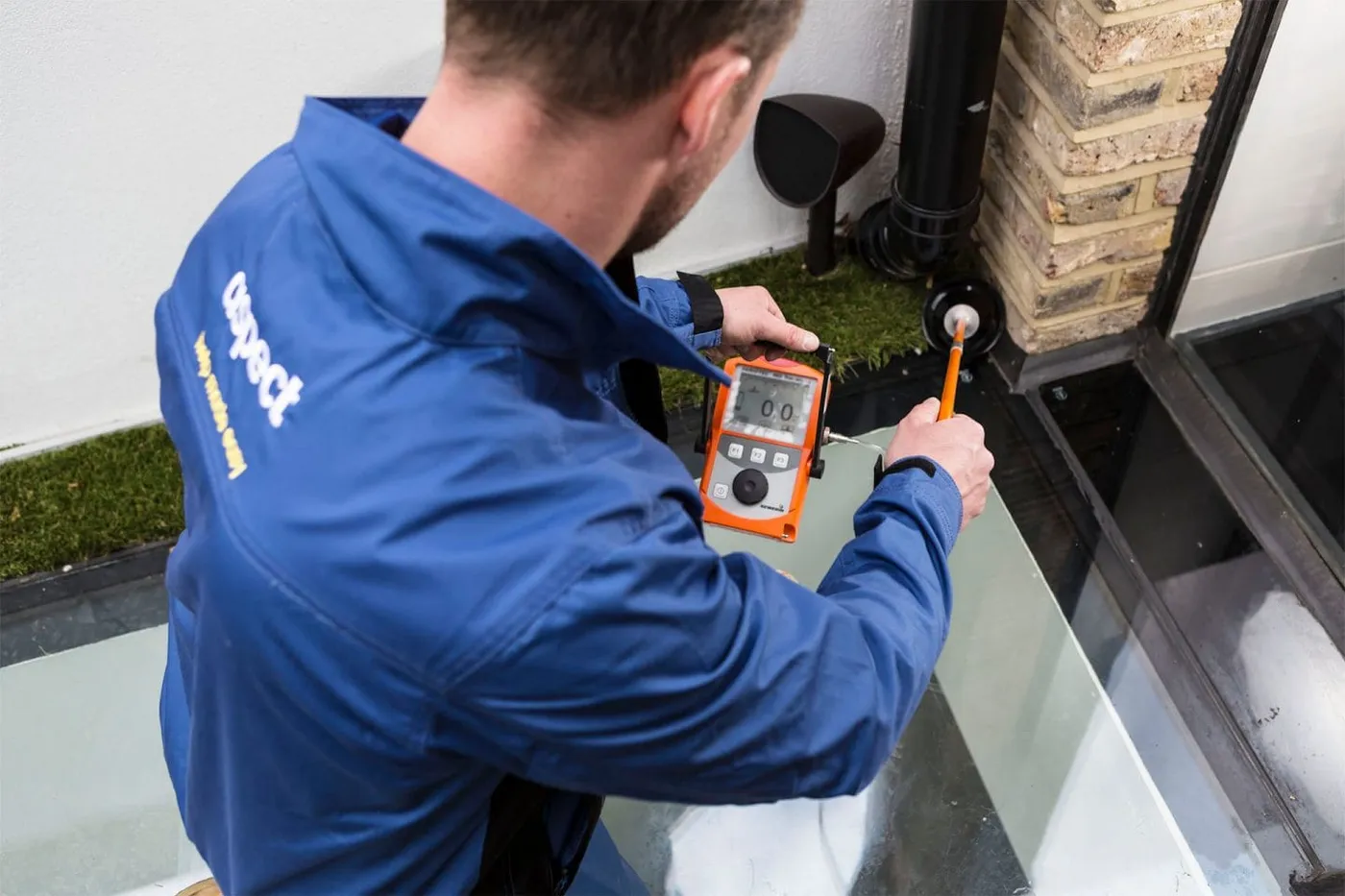
For non-pressurised or slow leaks, tracer gas detection offers high precision. An inert, non-toxic gas is introduced into the pipework. Using sensitive gas detectors, our technicians can trace the path of the escaping gas through floors and walls to the exact leak source, a method particularly effective for locating leaks in complex, multi-material systems common in retrofitted buildings. Thermal imaging cameras can also reveal temperature anomalies caused by damp patches from slow leaks hidden behind plaster, a frequent issue where old pipework passes through masonry.
Considerations for Landlords and Commercial Managers
For property owners, the presence of lead or extensively corroded galvanised piping is not merely a maintenance issue but a compliance and duty-of-care concern. While full replacement is the definitive solution, it is not always immediately feasible. In such cases, a precise leak detection survey provides a critical risk assessment. It maps the condition of the system, identifies imminent failure points, and creates a prioritised plan for targeted repairs or phased replacement. This data-driven approach helps manage budgets, minimise tenant disruption, and prevent the extensive water damage that can result from the sudden failure of an ageing pipe.
For copper systems of a certain age, a proactive inspection regime is recommended. Our engineers can perform internal condition assessments using miniature cameras, identifying thinning pipe walls and corrosion sites before they breach. This allows for scheduled, controlled repairs rather than emergency call-outs. Ultimately, understanding the specific behaviours of your property's legacy plumbing materials transforms maintenance from a reactive burden into a strategic, value-preserving operation.
Frequently asked questions
How can I tell if my property still has lead pipes?
Check where the service pipe enters the property, often under the kitchen sink. Lead is soft, dull grey, and has rounded, bulbous joints. If in doubt, a professional plumber or our engineers can perform a scratch test or use an X-ray fluorescence (XRF) analyser for definitive, non-destructive identification.
What are the signs of failing galvanised steel pipes?
Key indicators include a significant drop in water pressure, discoloured (brown or yellow) water, especially after the system has been unused, and visible external rust on any exposed pipework. Recurring leaks at joints are also a common symptom of advanced internal corrosion.
Can you locate a leak without digging up floors or breaking into walls?
Yes, in the majority of cases. We utilise non-invasive technologies such as acoustic correlation, thermal imaging, and tracer gas detection to pinpoint the exact location of a leak with high precision. This allows any necessary excavation or access to be minimal, targeted, and far less disruptive.