How to Repressurise a Boiler: A Technical Guide for Landlords & Property Managers
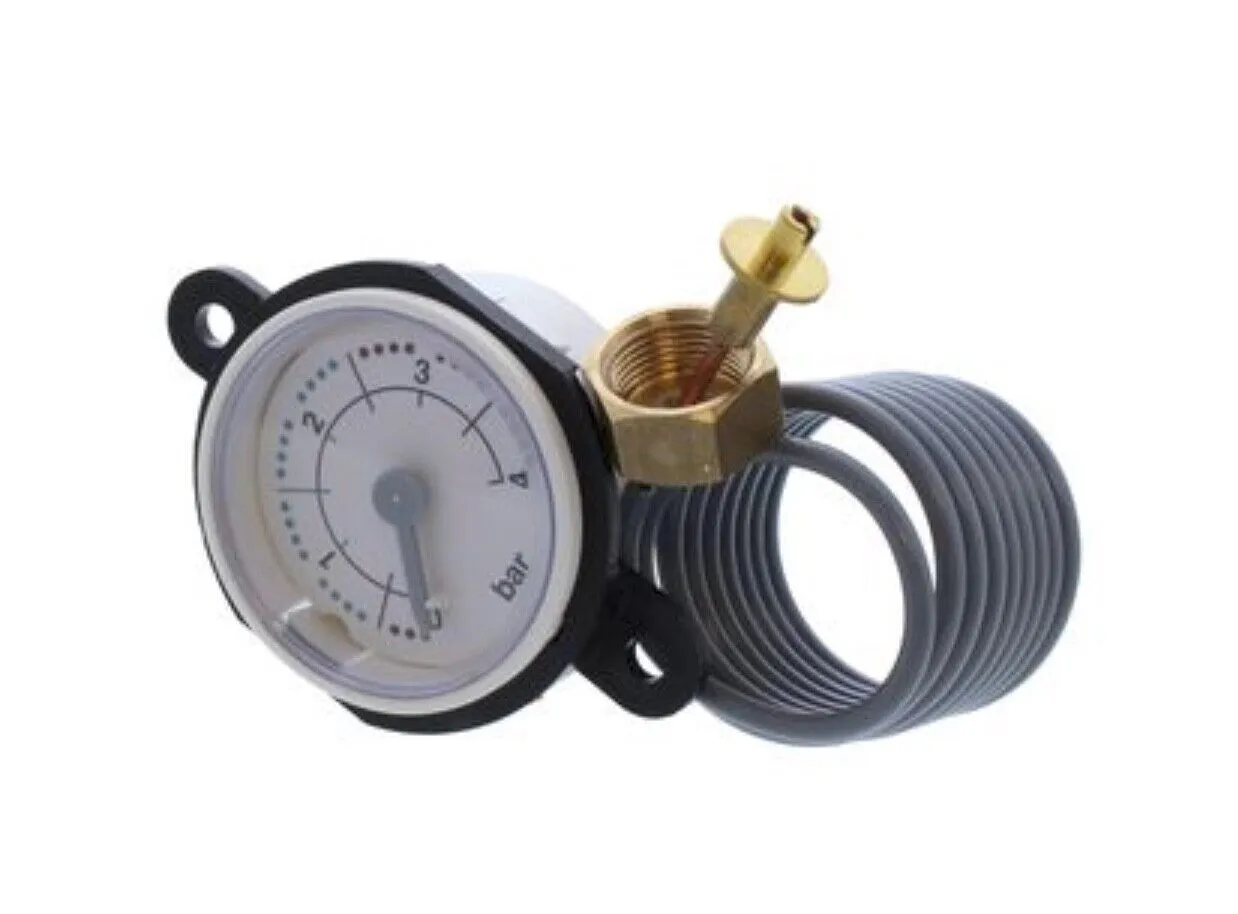
A technical guide detailing the correct process for repressurising different boiler systems, helping landlords identify when low pressure signals a potential leak.
Understanding Boiler Pressure Systems
Maintaining correct system pressure is critical for the efficient and safe operation of modern combi and system boilers. For landlords and commercial property managers, a recurring low-pressure fault is more than an inconvenience; it can be a primary indicator of a hidden system leak. Pressure is maintained via the filling loop or integrated key on sealed systems, and via the feed-and-expansion tank on open-vented systems. Our engineers routinely find that persistent pressure loss, often masked by repeated manual repressurisation, points to leaks within underfloor heating circuits, radiator valves, or pipework concealed within floors and walls.
Step-by-Step Repressurisation Procedure
Before commencing, ensure the boiler is cool and switched off. Locate the boiler pressure gauge; the green zone typically indicates 1 to 1.5 bar, which is the optimal operating range. For systems with an external filling loop—a flexible hose with two isolation valves—connect it between the cold water mains and the heating system return. Open both valves slowly; you will hear water entering the system. Monitor the pressure gauge closely and close both valves once the needle stabilises in the green zone. For boilers with an integrated filling key or lever, follow the manufacturer’s instructions to engage the mechanism and admit water until the correct pressure is achieved. Always close the valve or disengage the key firmly to prevent weeping.
It is a technical misstep to over-pressurise the system, as this will trigger the pressure relief valve to discharge, potentially causing water damage and further pressure loss. After repressurising, purge any air from the system via radiator bleed valves, starting from the lowest floor. If the pressure holds after this procedure, operational status may be restored. However, if the pressure drops again within a short period—hours or days—this is a clear technical indicator of a leak. In such cases, continued manual repressurisation risks significant water damage and system corrosion.
When Low Pressure Indicates a Leak
From a leak detection perspective, a boiler that requires frequent repressurisation is a diagnostic signal. Our approach treats the entire heating circuit as a sealed system; persistent pressure loss confirms a breach. The leak may be microscopic, such as a faulty pressure relief valve or a compromised joint, or significant, like a split in underfloor piping. Advanced detection methods, including thermal imaging to identify temperature anomalies in floors and walls, acoustic listening devices to pinpoint the sound of escaping water under pressure, and tracer gas detection which introduces an inert gas to locate even the smallest escape point, are employed to locate such leaks without destructive searching.
For property professionals, understanding this link is crucial. Ignoring the symptom and simply topping up pressure can allow a leak to propagate, leading to structural damage, mould risk, and ultimately, more extensive repairs. The technical solution is to engage specialists who can perform a static pressure test to confirm the leak and then use precise, non-invasive methods to locate it, ensuring a targeted and efficient repair that minimises tenant disruption and protects the asset.
Frequently asked questions
How often should I need to repressurise my boiler?
A well-maintained sealed heating system should maintain pressure for extended periods. If you need to repressurise more than once or twice a year, it is a strong technical indicator of a system leak that requires professional investigation.
Can I repressurise the boiler if there's a leak?
While technically possible, it is not advised. Repressurising a leaking system forces more water out through the breach, potentially increasing the scale of water damage. The correct procedure is to identify and isolate the leak first.
What detection methods are used for leaks causing boiler pressure loss?
We employ a technology-led approach. This includes acoustic leak detection to listen for sounds of water escape under pressure, thermal imaging cameras to visualise temperature differences caused by leaking hot water, and tracer gas detection—introducing a harmless gas into the system which escapes at the leak and is detected with sensitive equipment, allowing for precise location without damage.