Toilet Leaking from the Base: Technical Causes & Precision Diagnosis
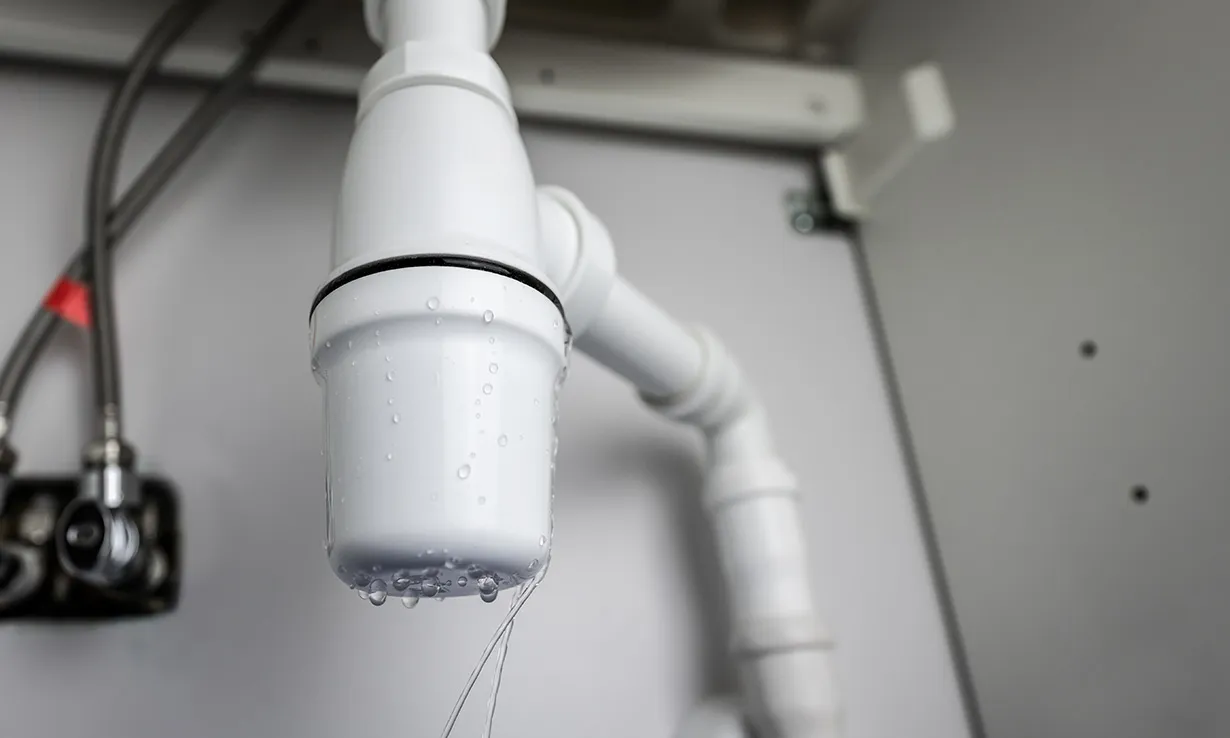
A toilet leaking from the base is often a sub-floor issue requiring precise diagnosis. We detail the technical causes, from wax ring failure to flange misalignment, and our methodical detection approach.
Precision Diagnosis of Sub-Floor Leak Paths
When a toilet leaks from its base, the visible water is merely a symptom of a failure beneath the floor. Our diagnostic approach follows a technical axis, moving from visual inspection to non-invasive verification to isolate the exact breach point. We first rule out surface condensation or tank overflow by drying the area and conducting a controlled flush test. The critical investigation focuses on the seal between the toilet horn and the drain flange, a junction under constant hydraulic and mechanical stress.
The leak path is rarely direct. Water can travel along the wax seal's failure plane, wick into the subfloor, and emerge feet away from the actual breach. Our engineers use precise moisture mapping with thermal imaging and capacitance meters to trace this path back to its origin. This prevents unnecessary demolition and ensures the repair addresses the root cause, not just the visible water.
Primary Technical Causes: Seal, Flange, and Structure
The predominant failure point is the wax or rubber gasket sealing the toilet outlet to the drain flange. Over time, compression sets, lateral movement from a loose toilet, or simple material degradation creates a micro-gap. A compromised seal allows effluent and clean water to escape with every flush. We assess the seal's condition by checking for toilet rock—any movement indicates broken hold-down bolts or a failing seal, both requiring immediate correction.
Equally critical is the condition of the closet flange. If corroded (cast iron), cracked (PVC), or recessed below the finished floor level, it prevents the wax ring from forming a complete compression seal. In commercial properties or older London buildings, floor deflection or substrate rot can cause the flange to become unlevel, creating an uneven sealing surface. Our repair protocols often involve flange repair rings or height-extending spacers to re-establish a stable, level mounting plane before resealing.
Less common but technically significant is a hairline crack in the porcelain of the toilet base itself. This requires meticulous inspection, often with dye testing, as the crack may only open under the specific load of a user. For landlords, identifying this fault early is crucial, as it necessitates toilet replacement to prevent persistent leakage and potential liability.
Our Methodical Repair Protocol
Our resolution is grounded in restoring the integrated system: a stable flange, a correctly selected sealant for the specific gap, and a toilet firmly anchored to prevent future movement. We do not simply replace a wax ring without diagnosing why it failed. For commercial settings with high-traffic toilets, we often recommend reinforced wax or durable rubber gaskets and always use stainless steel hardware to resist corrosion.
The final step is a verified pressure test. After reseating the toilet, we conduct multiple flush cycles and use leak detection tools to confirm the perimeter is dry. This technical closure ensures the repair is durable, meeting the long-term management needs of landlords and commercial property managers by preventing call-backs and secondary water damage to substructures.
Frequently asked questions
Is a leaking toilet base an emergency for a landlord?
Yes, it should be treated as urgent. Continuous leakage seeps into the subfloor and structural timbers, leading to significant water damage, mould growth, and potential floor collapse. It also constitutes a sanitation issue. We recommend isolating water to the toilet and arranging a prompt, precise diagnosis.
Can't I just tighten the bolts if the toilet is rocking?
Overtightening can crack the porcelain toilet base. The rock indicates a failed seal or compromised flange. Tightening alone will not restore the compromised seal and may worsen the leak by distorting the toilet's seating. Proper repair requires removing the toilet, assessing the flange and seal, and reinstalling with new components.
What leak detection methods do you use for this specific issue?
We employ a sequenced approach. After visual and manual inspection, we use non-invasive tools: thermal imaging cameras to identify cooler water paths within the floor structure, and highly sensitive moisture meters to map the extent of saturation. This allows us to pinpoint the leak origin with precision before any dismantling, ensuring a targeted and efficient repair.