Burst Pipe Insurance Claims in the UK: A Technical Guide to Documentation & Detection
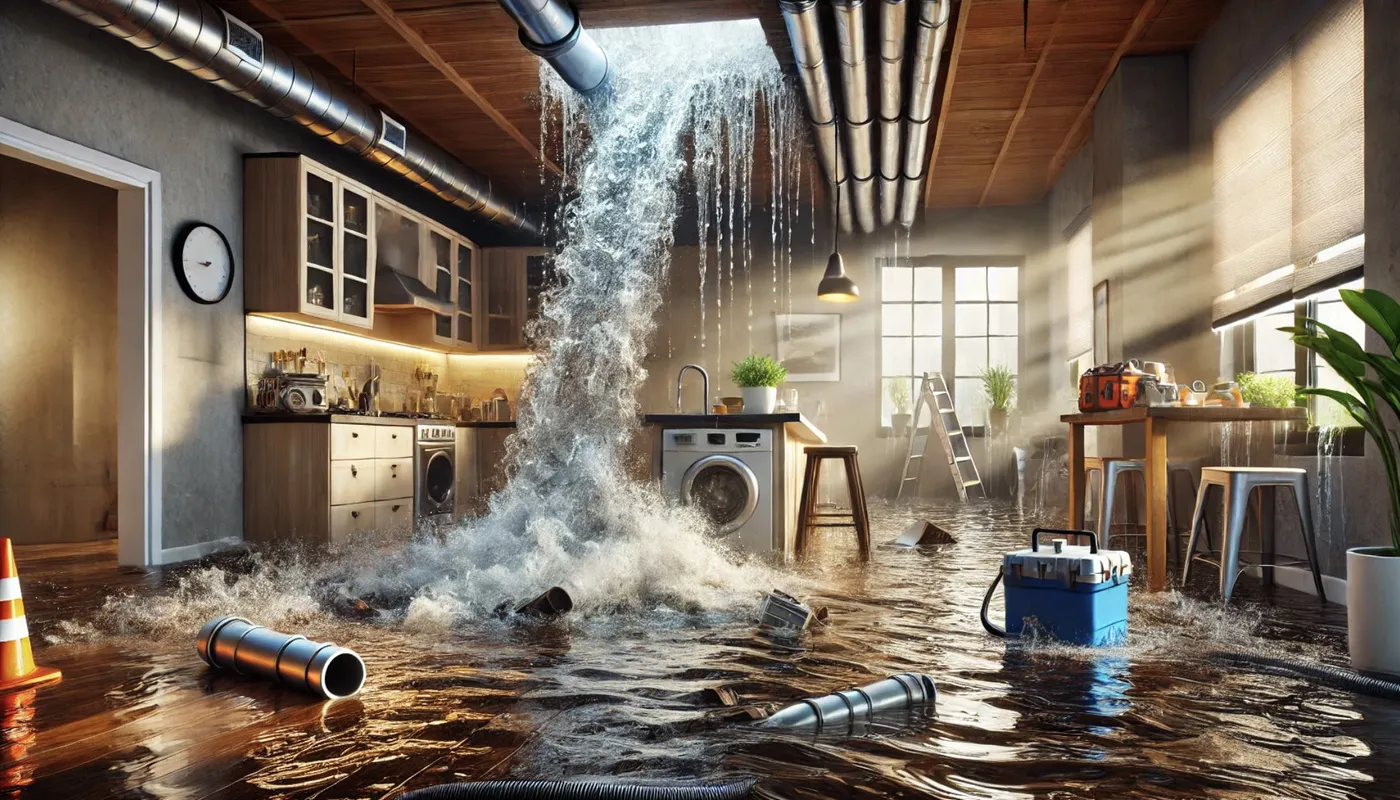
A technical guide detailing the precise leak detection and documentation processes landlords and commercial property managers must follow to substantiate a burst pipe insurance claim in the UK.
For landlords and commercial property managers, a burst pipe represents a significant operational and financial threat. Successfully navigating the subsequent insurance claim process hinges on one critical factor: the quality and precision of the technical evidence provided. At the core of a robust claim is a professionally conducted, methodical leak detection survey that irrefutably identifies the source, cause, and extent of the water escape. We specialise in providing this forensic-level technical data, which forms the foundational documentation for your insurer's assessment.
The Critical Role of Precision Leak Detection in Claims
Insurers require clear evidence that the damage was sudden, accidental, and resulted from a specific insured peril, such as a burst pipe. Ambiguity regarding the leak's origin can lead to disputes over wear-and-tear or gradual damage, which are typically excluded. Our engineers employ a suite of non-invasive and minimally invasive technologies to pinpoint the failure with exactitude. This process begins with a thorough visual inspection and moisture mapping, followed by the strategic application of specialised equipment.
For concealed pipework, we utilise acoustic listening devices to detect the high-frequency sound of water escaping under pressure. Thermal imaging cameras are deployed to visualise temperature differentials caused by escaping cold water or the thermal signature of damp patches within walls and floors, mapping the extent of saturation. In complex cases, tracer gas detection or fibre-optic borescope inspections may be used to isolate the breach in pressurised systems or within cavities without destructive exploration.
Documenting the Cause and Origin: A Technical Protocol
The final report supplied to you and your insurer is a technical dossier. It must definitively state the cause of the burst—whether from freezing, high pressure, corrosion, or physical impact—and its precise location. Our documentation includes geo-referenced images from thermal and visual cameras, schematic drawings marking the leak location relative to property features, and a clear description of the diagnostic methodology. We avoid speculation and ground all conclusions in the data gathered from our equipment and industry-standard forensic plumbing analysis.
This report serves a dual purpose: it substantiates the claim and informs the repair scope. By precisely locating the leak, remedial work can be targeted, minimising disruptive excavation or demolition. This controlled repair approach is often viewed favourably by insurers, as it controls reinstatement costs. We recommend that emergency water extraction and drying processes are also documented with moisture meter logs, as this demonstrates mitigation efforts to prevent secondary damage like mould, further strengthening your claim's position.
Coordinating with Loss Adjusters and Repair Teams
Engaging a leak detection specialist early creates a seamless chain of evidence. Our engineers can provide a clear, technical briefing to the insurer's loss adjuster, translating our findings into unambiguous cause-and-effect terms. This professional dialogue, based on empirical data, can expedite the claim approval process. Furthermore, our precise location data allows repair contractors to provide accurate, itemised quotes for the necessary plumbing repair and property reinstatement, ensuring the insurer's settlement aligns closely with the actual remedial cost.
For commercial properties, where system complexity and business interruption risks are high, this technical precision is paramount. A detailed report can help justify the necessity of emergency response measures and support business interruption claims by clearly linking the physical damage to operational downtime. The objective is always to build an incontrovertible, technically grounded case that the damage was sudden, identifiable, and remediable, fulfilling the core requirements of your property insurance policy.
Frequently asked questions
What specific evidence from leak detection do insurers require for a burst pipe claim?
Insurers require definitive proof of the leak's origin, cause, and sudden nature. Our reports provide this via thermal imaging visualisations, acoustic leak location data, moisture mapping, and a forensic analysis concluding the precise failure mode (e.g., freeze fracture, joint failure). This technical evidence distinguishes a sudden insured event from excluded gradual damage.
Can I use a general plumber's report for my insurance claim, or is a specialist leak detection survey necessary?
While a general plumber can repair a visible leak, a specialist survey is often critical for claims. We focus on non-invasive diagnostics and forensic documentation for concealed leaks, providing the technical specificity insurers need. A standard repair invoice may not establish the cause and origin with the precision required to satisfy a loss adjuster's investigation.
How does thermal imaging help substantiate a water damage insurance claim?
Thermal imaging cameras detect temperature variations caused by moisture. In a claim, they provide visual, non-subjective evidence of the water's spread within building fabric, often revealing the leak's origin point and the full extent of saturation behind surfaces. This documented imagery is powerful evidence for the scale and source of damage, supporting both the initial claim and the drying verification process.