Burst Pipe: What to Do First to Minimise Damage
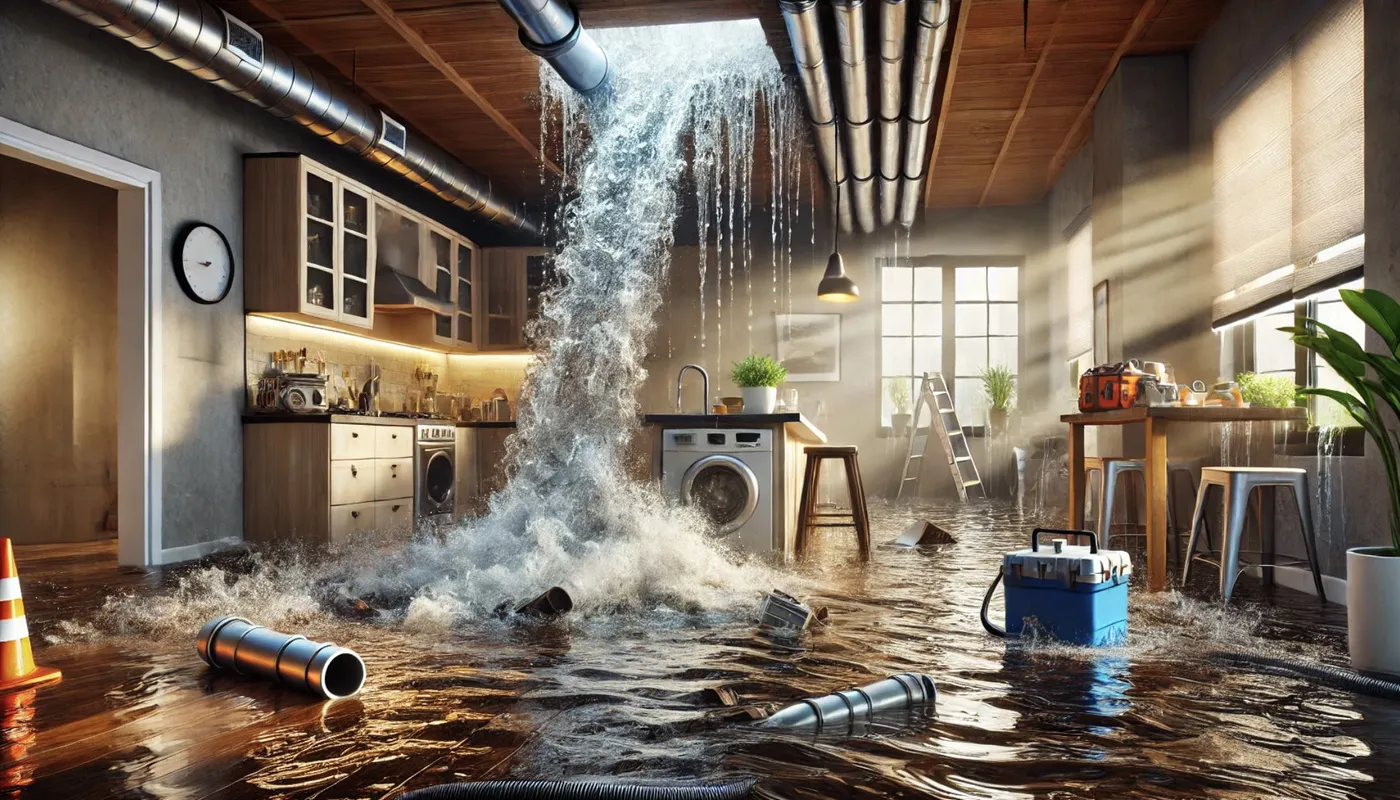
A burst pipe demands immediate, systematic action to limit water damage and preserve property integrity. This guide details the precise steps for isolation, documentation, and securing a technical leak detection team.
Immediate System Isolation Protocol
Upon discovering a burst pipe, your primary objective is to halt the water flow at its source. Do not attempt a localised repair on a pressurised pipe. Immediately locate and shut off the main water stopcock, typically found under the kitchen sink, in a utility cupboard, or near the water meter. Turn it clockwise until fully closed. For commercial properties, familiarise yourself with the location of multiple zone valves or the building's main isolator. If the burst is on a hot water line, also isolate the feed from your boiler or cylinder to prevent system drain-back and potential heating system damage.
Damage Mitigation and Diagnostic Preparation
Once water flow is stopped, mitigate secondary damage. Safely isolate electrical circuits in the affected area at the consumer unit to eliminate shock risk. Remove movable furniture and contents where possible. Begin extracting standing water using mops, towels, or a wet vacuum to reduce absorption into substrates. Do not, however, dismantle any boxing or flooring to locate the pipe failure itself; this can disturb evidence and complicate our engineers' subsequent diagnostic process. Instead, document the incident thoroughly: take clear photographs and videos of the visible water damage, the suspected source area, and your isolation points. This aids in both insurance claims and provides our team with crucial contextual data before arrival.
Engaging Professional Leak Detection
With the emergency contained, contact a specialist leak detection service immediately. Communicate the exact steps you have taken, the pipework type (if known, e.g., copper, plastic, old lead), and the property's construction. Our engineers deploy a methodological approach, beginning with a review of your system layout and the incident's manifest symptoms. We then utilise non-invasive detection technologies such as acoustic listening devices to pinpoint the precise leak location under pressure, or thermal imaging cameras to identify temperature anomalies caused by escaping water within structures. This precision targeting avoids unnecessary destructive searching, enabling a faster, more cost-effective repair for landlords and commercial operators by minimising reinstatement work.
Post-Containment Considerations
After professional repair, a full system integrity check is advisable. Request that your engineer performs a pressure test on the repaired section and a visual inspection of adjacent pipe runs for signs of corrosion or weakness that could indicate future failure points. For landlords, this is a critical part of maintaining your asset. Ensure all accessible pipework is properly lagged, particularly in voids and loft spaces, and consider a digital monitoring system for high-value or complex commercial properties, which can provide early warnings of pressure drops indicative of nascent leaks.
Frequently asked questions
Should I try to locate the exact burst point myself?
No. Attempting to expose the burst point often involves destructive investigation without proper tools, which can worsen damage and obscure the leak's acoustic or thermal signature for our engineers. Your role is emergency isolation and damage control; precise location is a technical task for professionals using specialised detection equipment.
What information should I provide when calling a leak detection service?
Provide clear details: the type of property (flat, house, commercial unit), the location of the main stopcock and whether it is fully functional, the material of the affected pipes if known, the extent of visible water damage, and any actions already taken. If you have system schematics or previous plumbing reports, have them ready. This allows our team to prepare the most appropriate technology, such as tracer gas for pressurised systems or correlation equipment for large-diameter pipes.
Why use technical leak detection instead of a general plumber for a burst pipe?
A burst pipe often leaves visible water at a point distant from the actual failure due to pipe runs within walls and floors. General plumbers may resort to exploratory dismantling. Our engineers use scientific methods—acoustic, thermal, and sometimes tracer gas detection—to pinpoint the leak's exact origin with minimal intrusion. This precision is critical for landlords and commercial owners to reduce repair time, limit reinstatement costs, and preserve property fabric.