Are Smart Water Leak Detectors Worth the Investment? A Technical Analysis
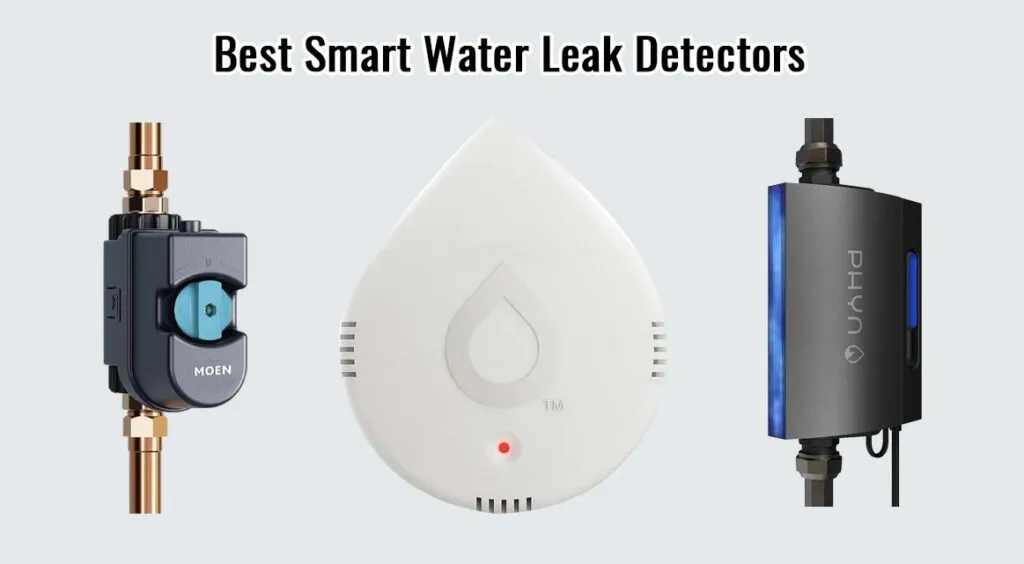
An examination of smart water leak detection technology, assessing its sensor types, connectivity, and integration for landlords and commercial property protection.
The Core Technology: How Smart Detectors Sense Moisture
Unlike passive alarms or basic cable sensors, smart leak detectors employ sophisticated sensing methods. The most common are spot sensors using conductive probes to detect water bridging a circuit, and cable/rope sensors that can monitor a linear perimeter, such as along a basement wall or under multiple appliances. More advanced systems may incorporate humidity and temperature sensors to identify conditions conducive to condensation or pipe sweating before a major leak occurs. The key advancement is the onboard microprocessor that interprets these sensor inputs and decides when to trigger an alert.
Connectivity and Integration: The 'Smart' Advantage
The true value lies in the connectivity layer. These devices typically use Wi-Fi or proprietary low-power mesh networks to transmit alerts. This enables instant notifications to a landlord's or facilities manager's smartphone via a dedicated app, regardless of their location. For commercial applications, integration is critical. High-end systems can interface with building management systems (BMS) to automate responses, such as triggering an alert to a monitoring centre, closing an automated main water shut-off valve, or shutting down specific equipment. This moves leak response from reactive to proactively managed.
Precision in alerting is another major benefit. A smart system can distinguish between a minor drip from an AC unit and a catastrophic burst pipe, allowing for prioritised response. It also provides a digital audit trail—crucial for insurance purposes and maintenance logs—detailing the time, location, and duration of an incident.
Evaluating Worth for Landlords and Commercial Properties
For landlords, the primary calculation is risk mitigation versus cost. A single undetected leak in a vacant property can cause tens of thousands in damage. Smart detectors placed in high-risk areas (boiler cupboards, under sinks, near washing machines) provide continuous vigilance, potentially reducing insurance premiums and preventing costly tenant disputes. In commercial settings, the stakes are higher. Protecting server rooms, stock rooms, or sensitive manufacturing areas from water intrusion is paramount. Here, a networked system of detectors becomes part of critical infrastructure protection, where the cost of the technology is easily justified against business interruption losses.
It is important to note that these are detection and alert systems. Their full potential is only realised when paired with a clear response protocol and, where appropriate, an automatic shut-off valve. They are a powerful component of a holistic water management strategy, not a standalone fix. For properties with complex plumbing or high-value assets, the investment in smart technology shifts from a 'nice-to-have' to an essential element of loss prevention.
Frequently asked questions
What is the main difference between a smart detector and a traditional water alarm?
Traditional alarms are local sounders only; they rely on someone being present to hear them. Smart detectors connect to your network to send instant push notifications, SMS, or emails to specified contacts, enabling a remote response. They also offer precise location data and often integrate with other smart home or building systems.
Can smart leak detectors integrate with existing property management systems?
Yes, many commercial-grade smart leak detection systems are designed with open APIs or standard protocols (like BACnet or Modbus) specifically for integration into broader Building Management Systems (BMS) or facilities management software. This allows for centralised monitoring and automated workflow triggers upon a leak event.
Do smart water detectors require professional installation?
Simple spot sensors are often DIY-friendly. However, for whole-property coverage involving multiple sensors, cable runs, or integration with an automatic shut-off valve and a building's electrical system, we recommend professional installation by qualified engineers. This ensures optimal sensor placement, reliable connectivity, and correct system configuration for your specific property layout and risk profile.