High Water Usage from Smart Meter: A Technical Guide for Landlords & Property Managers
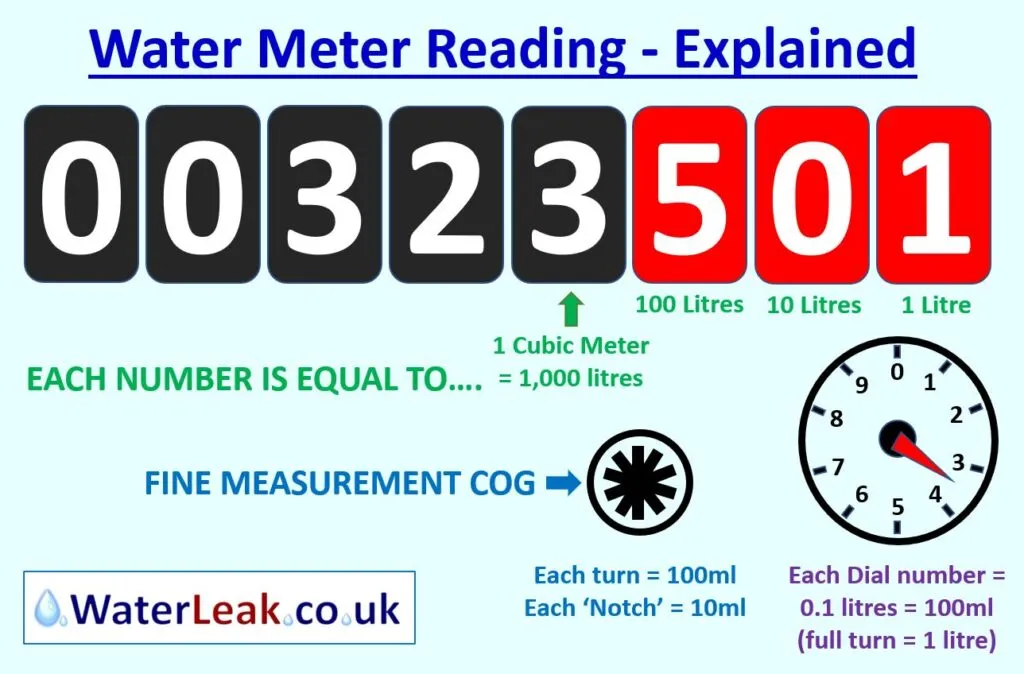
A smart water meter alerting high usage demands a systematic investigation. We detail the technical checks for hidden leaks, appliance faults, and data misinterpretation.
Methodical Diagnosis of High Consumption Alerts
When a smart water meter signals abnormally high consumption, immediate, targeted investigation is essential to prevent significant water damage and inflated bills. The alert itself is a powerful diagnostic starting point, but it is only the symptom. As precision leak detection specialists, we approach these alerts with a systematic protocol that isolates the cause, moving from the simplest checks to complex, hidden failures.
First, verify the data. Ensure the high-usage alert correlates with actual periods of occupation and activity at the property. Check for any recent meter communication errors or resets that could cause anomalous readings. Cross-reference the smart meter's flow data, if available, with any sub-metering or manual readings. This step rules out a data or billing anomaly before commencing a physical inspection.
Physical System Checks: From Toilets to Supply Lines
Begin the on-site inspection with the most common culprits. Toilet leaks, particularly from worn flappers or faulty fill valves, are a primary source of silent, continuous water loss. Our engineers perform dye tests and listen for subtle refill sounds to confirm a seal failure. Next, inspect all visible taps, showerheads, and appliance connections—including dishwashers, washing machines, and ice makers—for drips or signs of moisture. Even a small, persistent drip can waste hundreds of litres over a month.
If no visible leaks are found, the investigation shifts to the concealed plumbing. Using acoustic listening devices, our engineers survey pipework under floors, within walls, and in ceiling voids for the high-frequency sound of water escaping under pressure. We also check pressure-reducing valves and expansion vessels, as malfunctions here can cause system over-pressure and increased consumption. Monitoring the meter while all known water use is isolated (the zero-flow test) is a critical step. If the meter continues to register flow with every internal stopcock closed, it confirms a leak on the supply side.
Advanced Leak Detection and Commercial Considerations
For persistent, elusive leaks—particularly in large residential or commercial properties—more advanced methodologies are employed. Thermal imaging cameras can detect temperature differentials caused by water leaking within a structure, revealing damp patches before they are visible. For complex pipe networks, we may conduct a trace gas test, introducing a harmless, detectable gas into the system to pinpoint the breach with precision.
For landlords and commercial property managers, a systematic response is vital for asset protection. Documenting each step of the diagnosis creates a clear audit trail for insurance and maintenance records. Implementing regular smart meter data reviews as part of preventative maintenance can provide early warnings, allowing for intervention before a minor leak escalates into a major repair. Understanding the technical cause—be it a failed joint, corroded pipe, or faulty valve—informs the correct, lasting repair strategy.
Frequently asked questions
What should I check first after a high-usage alert from my smart meter?
First, perform a zero-flow test: ensure no water is being used on the property and observe if the meter's flow indicator is still moving. Then, check all toilets for silent leaks using a dye test and inspect visible taps, appliances, and the boiler pressure relief valve for any drips or signs of moisture.
Can a smart meter itself be faulty and cause a false high-usage reading?
While rare, meter faults or communication errors can occur. Before extensive leak detection, verify the reading period aligns with occupancy and consider taking a manual reading over a 24-hour period to corroborate the data. Persistent, verified flow from a zero-flow test, however, strongly indicates a genuine leak.
Why use acoustic listening devices for a leak I can't see?
Acoustic listening devices amplify the high-frequency sound of water escaping under pressure from pipes. This allows our engineers to non-invasively survey concealed pipe runs under floors and within walls, pinpointing the leak's location with precision before any destructive investigation is needed, saving time and minimising repair costs.