What Does a Professional Leak Detection Survey Involve? | Technical Guide
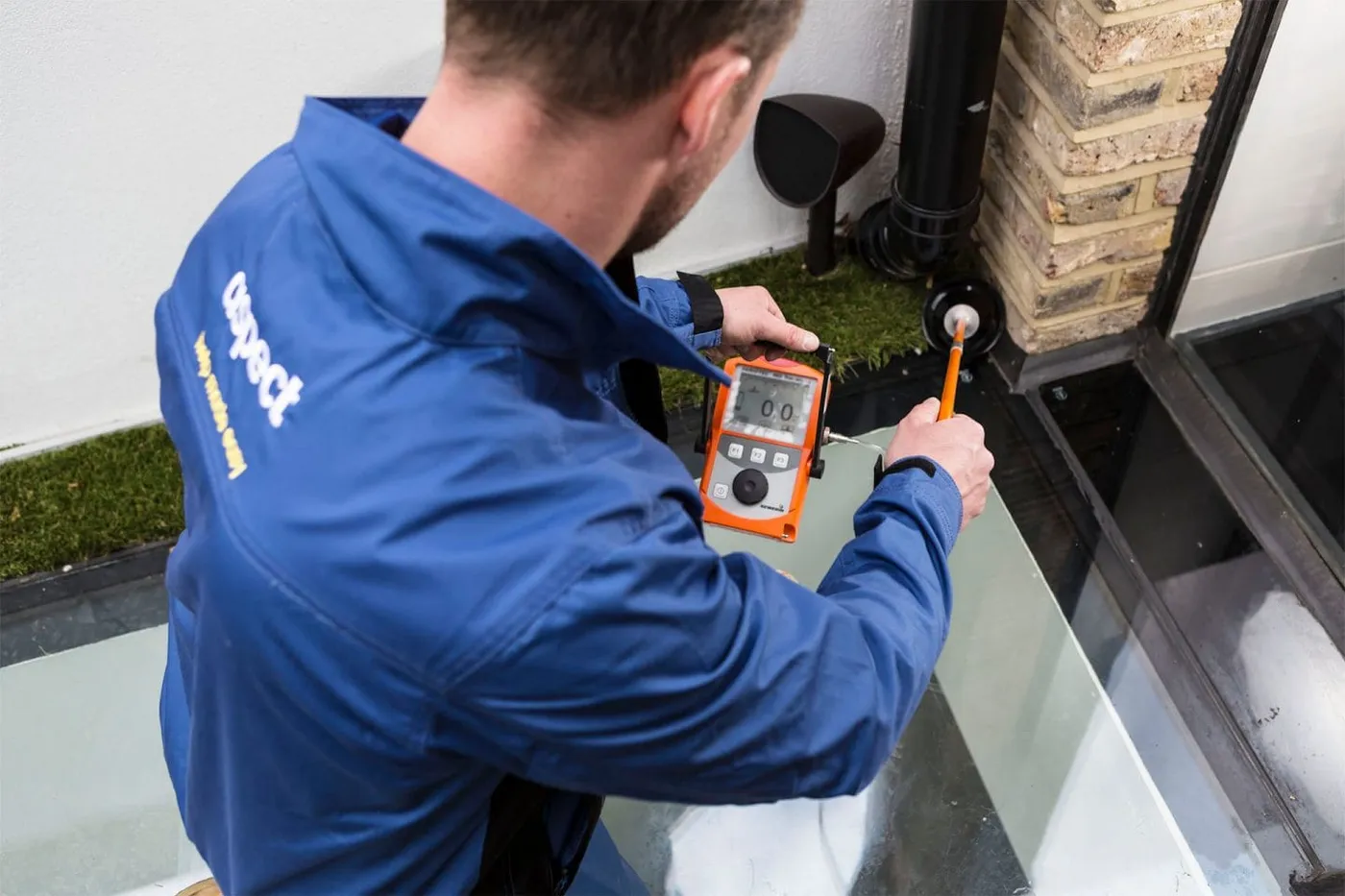
A professional leak detection survey is a systematic, technology-driven process designed to locate and diagnose hidden leaks with minimal disruption.
The Systematic Approach to Leak Location
A professional leak detection survey is not a random search; it is a methodical, technology-driven investigation. We begin with a detailed consultation to understand the symptoms—unexpected water usage spikes, damp patches, or unexplained sounds. Our engineers then conduct a visual inspection of accessible pipework, fixtures, and water tanks to rule out obvious issues and gather context. This initial assessment informs the selection of specialist detection equipment, ensuring the survey is targeted and efficient from the outset.
Deploying Non-Invasive Detection Technologies
The core of the survey involves deploying a suite of non-invasive acoustic and electronic instruments. Acoustic leak detectors, including ground microphones and correlators, are used to pinpoint the sound of pressurised water escaping from pipes. For non-metallic pipes or complex layouts, we utilise tracer gas detection. A safe, inert gas is introduced into the pipework; its escape at the leak point is then located with a highly sensitive gas sniffer. For underfloor heating systems or slab leaks, thermal imaging cameras can identify temperature anomalies caused by escaping water, while moisture meters map the extent of dampness to triangulate a source.
Each technology has a specific application, and our engineers are trained to select and sequence their use based on the pipe material, building construction, and available access. The goal is to converge multiple data points on a single, precise location without unnecessary destructive exploration.
Analysis, Reporting, and Recommended Actions
Following the onsite investigation, our engineers analyse all collected data to confirm the leak's location and probable cause. We provide a clear, detailed report that includes the methodology used, the precise location of the leak (often referenced to fixed points or marked on site), and the evidence supporting the conclusion. For landlords and commercial clients, this report is a crucial document for instructing repairs, managing insurance claims, and maintaining asset records.
The survey concludes with a discussion of recommended next steps. These are strictly advisory and may range from a minor, targeted repair to a section of pipe replacement. We outline the options based on the pipe's condition and location, enabling you to make an informed decision with a complete understanding of the problem's scope and technical solution.
Frequently asked questions
How long does a typical leak detection survey take?
The duration depends entirely on the property's size, complexity, and the suspected leak's accessibility. A survey for a single suspected leak in a standard residential property can often be completed in a few hours. Larger commercial systems or multiple leak points require more extensive investigation.
Is any damage caused during the survey?
Our primary methods are non-invasive, using electronic and acoustic equipment to locate leaks from the surface. The objective is to pinpoint the problem with precision, thereby minimising or even eliminating the need for exploratory demolition. Any necessary access points are discussed and agreed upon in advance.
What information should I provide before the survey?
To maximise efficiency, please provide any available property plans showing pipe layouts, details of recent water meter readings or bills indicating increased usage, and access to all relevant areas. Informing our engineers of the pipe materials (e.g., copper, MDPE, lead) and the history of the issue is also highly beneficial.