Advanced Swimming Pool Leak Detection: Signs, Methods & Cost Factors
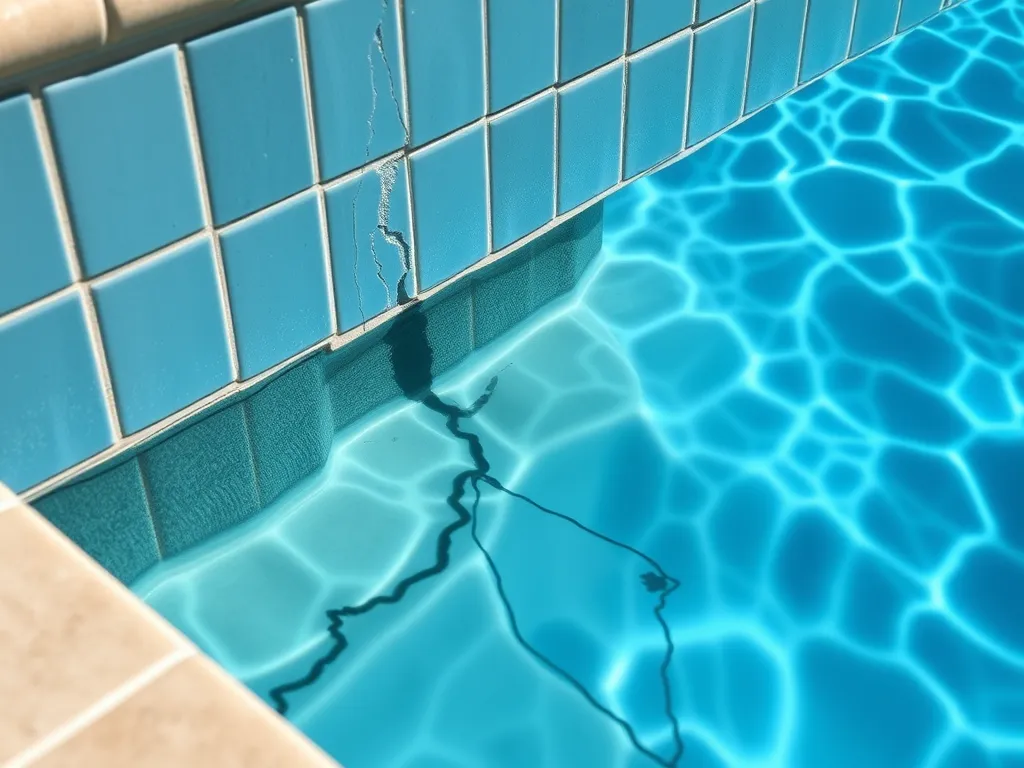
We detail the technical signs of a swimming pool leak and explain the precision methods our engineers use for definitive diagnosis, from pressure testing to electronic acoustic detection.
Identifying the Technical Signs of a Swimming Pool Leak
For property owners and facility managers, a swimming pool leak represents a significant operational and financial liability. The primary technical indicator is an unexplained water loss exceeding normal evaporation. We advise conducting a simple bucket test: place a bucket filled with pool water on a step, mark levels inside and outside the bucket, and compare after 24 hours. A greater drop in the pool level confirms a leak. Other precise signs include persistently needing to top up water, soggy ground or erosion in specific areas around the pool shell or equipment pad, and air bubbles returning into the pool from the return lines. Chemical imbalance that is difficult to correct can also indicate a leak, as fresh water constantly dilutes the treatment.
Precision Detection Methodologies for Accurate Diagnosis
Our engineers employ a systematic, technology-driven approach to locate leaks with minimal intrusion. The process typically begins with a comprehensive pressure test of the plumbing lines. We isolate and pressurise the suction and return lines independently; a drop in pressure pinpoints a leak in that specific circuit. For structural leaks in the pool shell or vinyl liner, we utilise electronic listening devices. These hydrophones and ground microphones amplify the sound of water escaping under pressure, allowing us to triangulate the source with high accuracy, even through concrete or tile.
In non-invasive scenarios, we may deploy specialised dye testing. Using a fluorescein or non-staining dye near suspected cracks, drains, or fittings, we observe the dye's movement, which is drawn into even the smallest fissure by the escaping water's current. For complex commercial pools or spas with extensive underground plumbing, tracer gas detection is a definitive option. We introduce a harmless, inert gas (like a helium-nitrogen mix) into pressurised pipes. Using a sensitive sniffer probe at the surface, we detect the gas as it escapes through the leak underground, providing exact coordinates for excavation.
Factors Influencing Leak Detection and Repair Considerations
The complexity of diagnosis and remediation directly influences the overall project scope. Key factors include the leak's location (shell, vinyl liner, main drain, or plumbing line), the pool's construction (gunite, fibreglass, vinyl), and site access. A simple leak in an accessible above-ground pipe is far more straightforward to address than a pressurised return line leak buried under a concrete deck. For commercial installations, the need to minimise downtime often necessitates the most advanced diagnostic tools first to achieve a rapid, precise location.
Repair methodologies are dictated by the diagnosis. Structural shell repairs may involve hydraulic cement, epoxy injections, or specialised patching compounds applied by our technicians. Plumbing repairs often require targeted excavation, which we conduct with precision to limit landscape damage. For vinyl liners, we apply underwater patches or recommend panel replacement. Our goal is to provide a durable, watertight resolution based on a correct technical diagnosis, ensuring long-term integrity and preventing recurring water loss and damage.
Frequently asked questions
What is the most accurate method for finding a swimming pool leak?
The most accurate method depends on the suspected location. For plumbing leaks, pressure testing is definitive. For structural leaks in the pool shell, electronic acoustic listening devices provide precise, non-invasive location. In complex cases, tracer gas detection offers the highest precision for locating underground pipe leaks.
Can a pool leak cause structural damage to the surrounding property?
Yes. Persistent water leakage can saturate the subsoil, leading to erosion, subsidence, and potential undermining of pool surrounds, patios, or nearby foundations. For landlords and commercial operators, this represents a significant property integrity risk, making prompt, precise detection a critical maintenance priority.
What factors make a pool leak detection job more complex?
Complexity is increased by leaks in buried pressure lines, locations under hardscaping or decking, leaks in main drains, or issues in large commercial pools with extensive plumbing networks. These scenarios require advanced diagnostic technology like tracer gas or multiple electronic methods to locate the leak accurately without unnecessary excavation.