Leak Detection Before Buying or Selling a Home: A Technical Guide
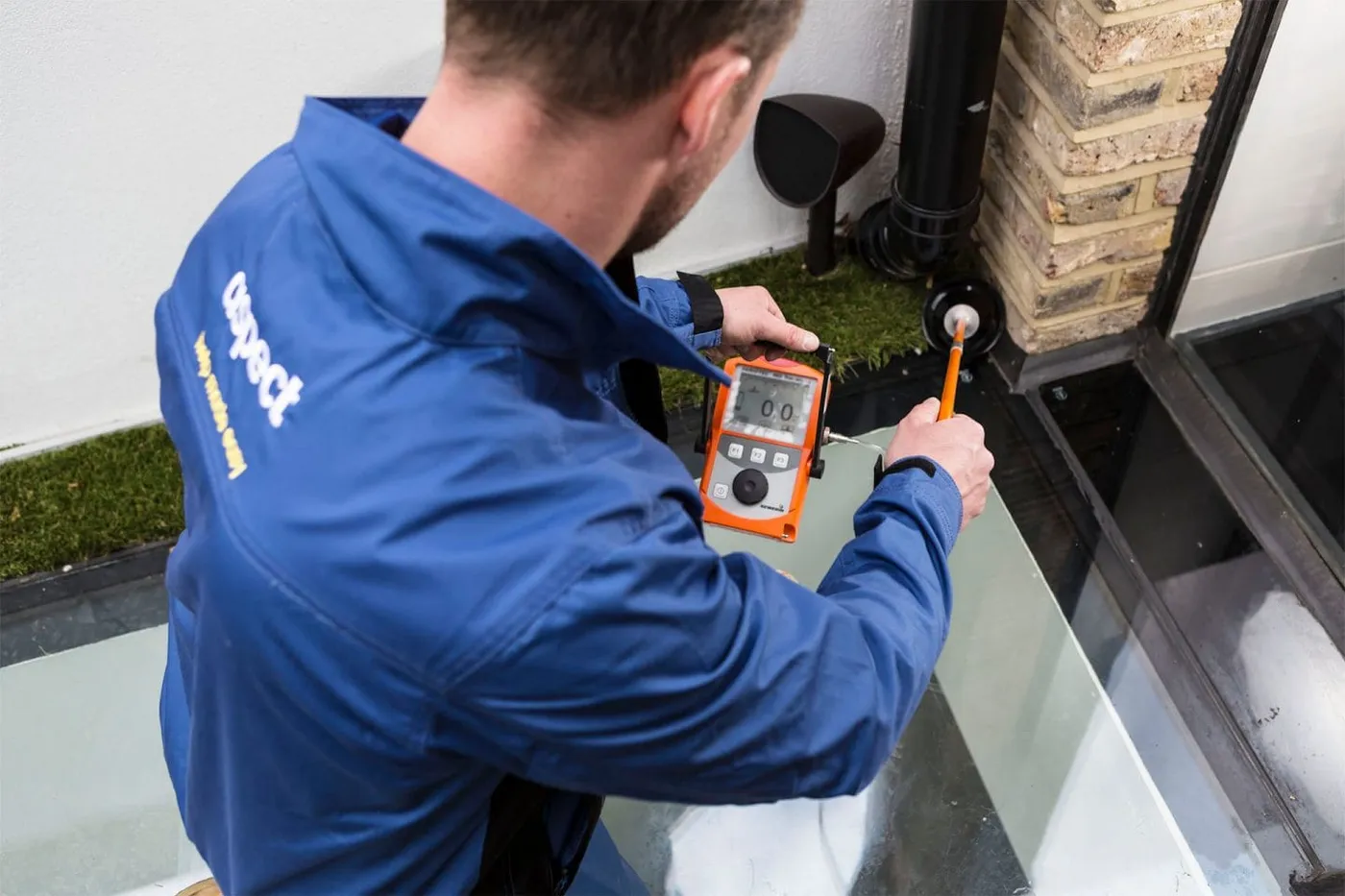
A professional leak survey before a property transaction can reveal hidden water damage using advanced, non-invasive detection technologies, protecting your investment.
The Critical Role of Pre-Transaction Leak Detection
In the property market, latent water damage represents a significant, often overlooked financial and structural risk. For vendors, undisclosed leaks can derail sales and lead to post-completion disputes. For purchasers and landlords, they can precipitate unexpected, costly remediation works. A professional, technology-led leak detection survey provides an objective, technical assessment of a property's water integrity, moving beyond superficial visual checks to identify issues concealed within walls, under floors, or below ground.
Advanced Detection Methodologies for Comprehensive Surveys
Our engineers employ a suite of non-invasive and minimally invasive technologies to locate leaks without causing unnecessary damage to the property. Acoustic leak detection uses highly sensitive ground microphones and correlators to pinpoint the precise sound of water escaping from pressurised pipes, even through concrete slabs. Thermal imaging cameras are deployed to identify temperature anomalies caused by damp patches, pipe runs, and leaks within wall cavities or underfloor heating systems, revealing problems invisible to the naked eye.
Tracer gas detection, a highly precise method, involves introducing a harmless hydrogen-nitrogen mix into inaccessible pipework. Specialised sensors then trace the gas's path to the surface, identifying even the smallest leak in underfloor or embedded plumbing. Moisture mapping with professional-grade capacitance and impedance meters provides quantifiable data on moisture content in building materials, defining the exact extent of water damage beyond the visible stain. This methodological approach ensures a forensic-level analysis of the property's plumbing health.
Strategic Benefits for Sellers, Buyers, and Landlords
For sellers, a pre-listing leak survey acts as a powerful due diligence tool. It allows for the proactive rectification of issues, provides documented evidence of the property's condition to potential buyers, and can prevent negotiations from collapsing over last-minute survey findings. A clean report becomes a valuable asset in the sales portfolio. For buyers and investors, particularly in the commercial and multi-let residential sectors, this survey is a critical component of the structural investigation. It uncovers liabilities that could affect valuation, future repair budgets, and tenant safety, enabling informed purchase decisions and potential price adjustments.
For landlords and property managers, establishing a baseline through leak detection prior to a new tenancy is a prudent risk management strategy. It accurately documents the state of plumbing installations, which is invaluable for resolving subsequent disputes over damage responsibility. In all scenarios, the precision of modern leak detection translates directly into financial certainty, protecting one of the most significant investments an individual or business can make.
Integrating Detection into the Transaction Timeline
To be effective, a technical leak survey must be integrated at the optimal point in the transaction process. We recommend commissioning the survey as early as possible. For sellers, this should be prior to listing. For buyers, it should be coordinated with, or immediately following, the standard building survey during the conditional exchange period. This timing allows findings to be properly assessed, quotations for any necessary repairs to be obtained, and negotiations to be concluded without jeopardising completion deadlines. The process itself is typically swift and non-disruptive, with our engineers providing a detailed, jargon-free technical report that clearly outlines findings, evidence, and recommended actions.
Frequently asked questions
What can leak detection find that a standard homebuyer's survey cannot?
A standard survey is primarily visual and may note signs of damp or water staining. Professional leak detection uses acoustic, thermal, and tracer gas technologies to actively locate the precise source of hidden leaks within walls, under floors, or in underground pipes, determining the root cause and full extent of moisture ingress that visual inspections can only suspect.
Is the process disruptive? Will you need to damage walls or floors?
Our primary methodologies are strictly non-invasive. We use acoustic listening devices, thermal imaging, and tracer gas to locate leaks from the surface. In rare cases where pinpoint accuracy for repair is required, a minimal access point may be suggested, but this is always discussed and authorised beforehand. The goal is diagnosis with minimal disturbance.
Why is this particularly important for landlords or commercial property buyers?
For landlords, a pre-tenancy survey establishes an incontrovertible baseline of the plumbing system's condition, crucial for managing maintenance liabilities and deposit disputes. Commercial buyers face amplified risk due to complex plumbing systems and higher repair costs. A technical survey quantifies this risk, informs accurate valuations, and can be essential for warranty or insurance purposes.