Emergency Water Leak Checklist: Immediate Steps for Homeowners
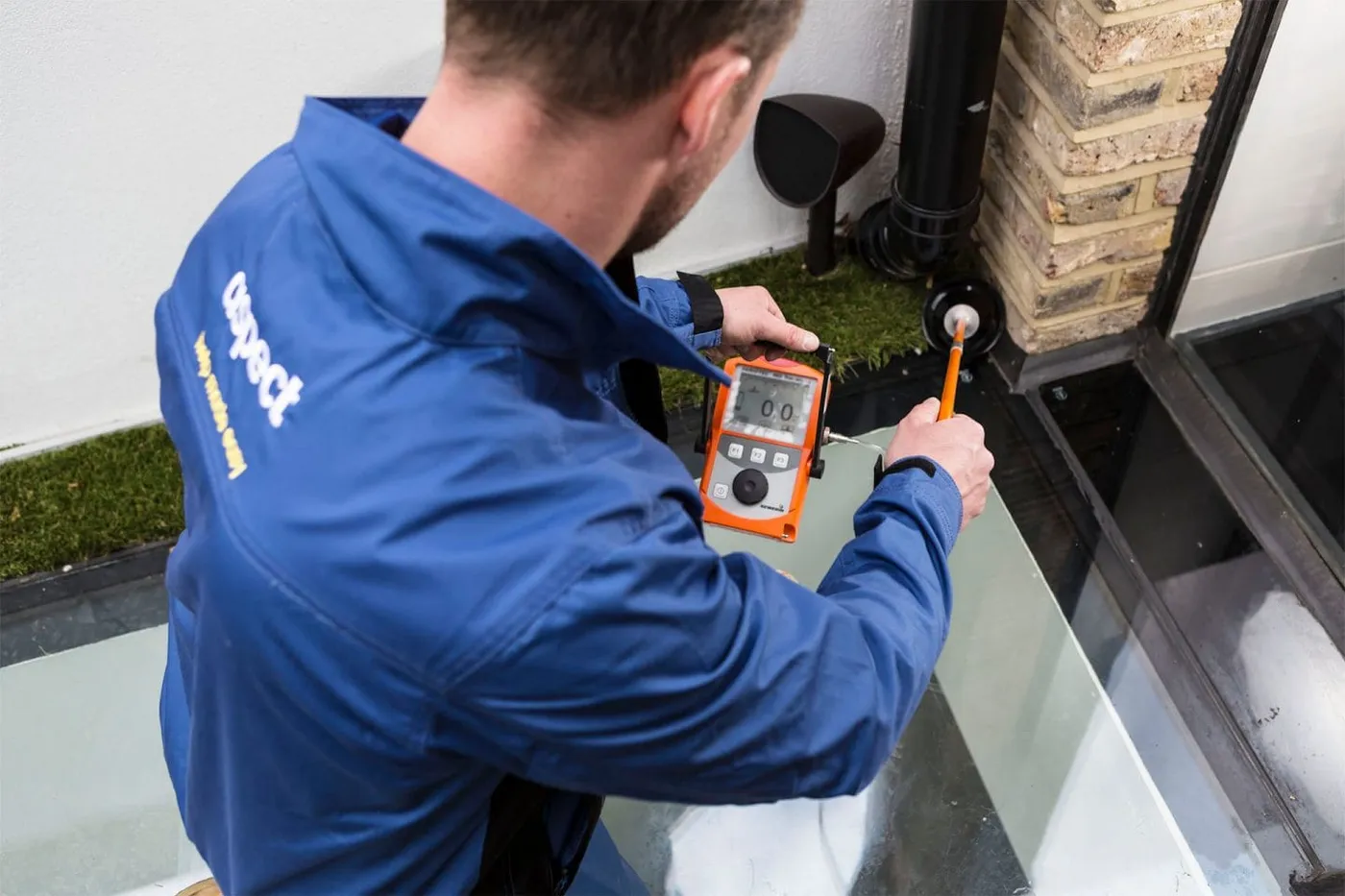
A systematic, technically-focused checklist for homeowners to follow during a water leak emergency, detailing immediate isolation and professional call-out protocols.
Immediate System Isolation and Source Identification
Upon discovering a water leak, your primary objective is to halt the water flow. First, locate and turn off the main water stopcock. This valve is typically found under the kitchen sink, in a utility cupboard, or where the mains supply enters the property. A quarter-turn clockwise is usually sufficient. If the leak is isolated to a specific appliance like a dishwasher or washing machine, use its dedicated isolation valve, often a small lever on the supply hose.
Simultaneously, identify the leak's nature. Is it a pressurised pipe leak (a steady, often forceful spray), a joint or valve weep (a persistent drip), or a hidden leak manifesting as damp or a water stain? For visible pipework, trace the moisture to its highest point. For hidden leaks, note the location and any patterns—is the leak active only when a specific tap or appliance is used? This initial diagnosis is crucial information for our engineers.
Damage Mitigation and Secondary System Shutdown
With the water supply isolated, shift focus to damage control. Safely disconnect electrical power to the affected area at the consumer unit (fuse box) if water is near sockets, appliances, or light fittings. This is a critical safety step. Move any valuable or sensitive items from the immediate vicinity and use towels or containers to manage standing water.
Next, consider secondary systems. If the leak is from a central heating pipe or radiator, you must also isolate the boiler and central heating system to prevent further pressure loss and potential damage to the heat exchanger. For leaks suspected in pressurised hot water systems (like an unvented cylinder), caution is advised due to the high temperatures and pressures involved; prioritise isolation and professional assessment.
Documentation and Professional Call-Out Protocol
Before contacting a professional leak detection service, gather precise information. Take clear photographs or a short video of the leak's origin point (if visible), the surrounding area, and any resulting damage. Note the time you discovered the leak and the steps you've taken to isolate it. Check if your home insurance policy has a specific emergency helpline or approved contractor list.
When you call our team, provide this technical briefing. State the type of system involved (mains cold water, hot water, central heating, waste), the location and nature of the leak (visible/ suspected hidden), and the isolation steps completed. Our engineers will use this data to dispatch the most appropriate technology—such as acoustic listening devices, thermal imaging cameras, or tracer gas equipment—to pinpoint the leak with minimal invasive investigation. A precise initial report enables a faster, more targeted resolution.
Frequently asked questions
What should I do if I cannot locate the main stopcock?
If the internal stopcock is inaccessible, you may need to locate and operate the external boundary stop tap, usually found under a small metal cover in the pavement or garden. Use a stop tap key to turn it clockwise. If this fails, call our engineers immediately; we can assist with emergency isolation and have tools to locate internal valves.
How do I differentiate a plumbing leak from condensation or rising damp?
Plumbing leaks are often localised and active; moisture may increase when water is used. Condensation is widespread, often on cold surfaces. Rising damp is typically ground-up, limited to lower walls. Our engineers use moisture mapping with hygrometers and thermal imaging to distinguish the source definitively, a critical step for correct remediation.
Why is precise leak location important before repairs begin?
Invasive searching without precise location leads to unnecessary damage, higher restoration costs, and longer disruption. Our precision methods—like acoustic correlation or micro-bore camera inspection—pinpoint the leak within centimetres. This allows for a minimal-access repair, preserving your property's structure and finishings.