What to Do When a Toilet Overflows: A Technical Guide to Immediate Response and Diagnosis
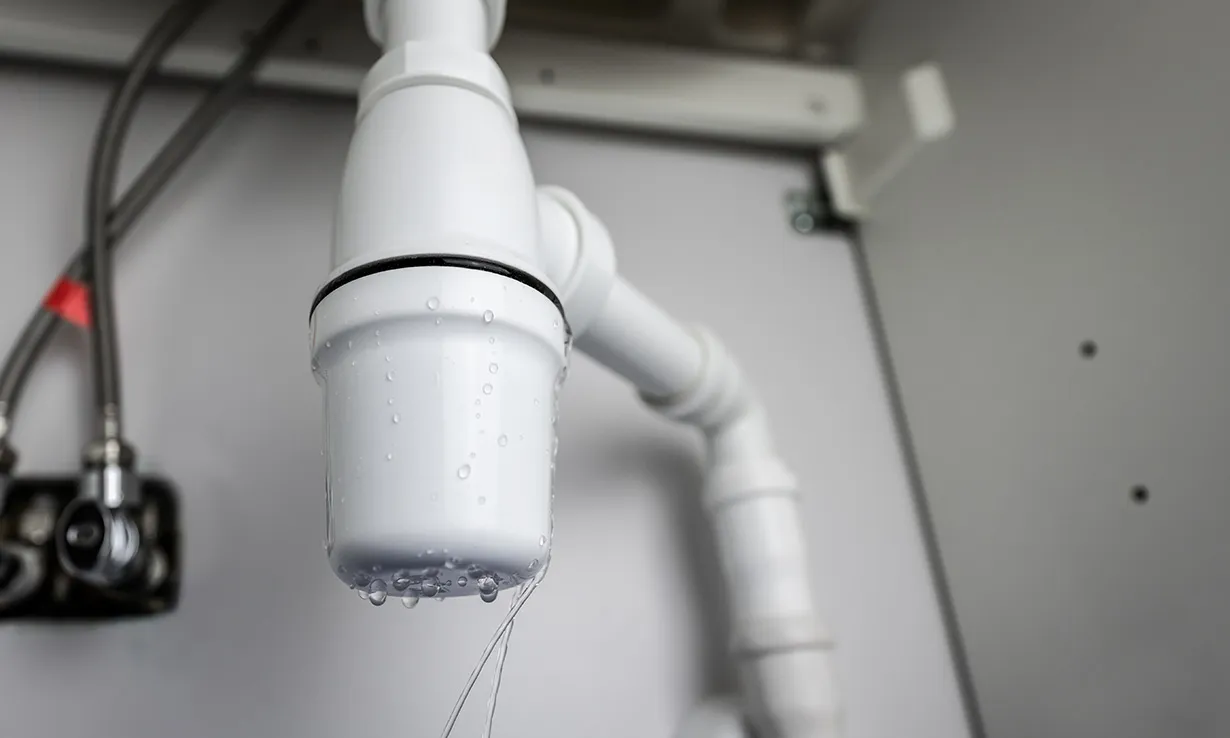
A precise, technical protocol for managing a toilet overflow, from immediate isolation to diagnosing common faults like blockages, fill valve failures, and venting issues.
Immediate Technical Response Protocol
Upon discovering an overflowing toilet, your first action must be to stop the water supply. Locate the toilet's isolation valve, typically a small chrome or brass tap on the wall or floor behind the fixture. Turn this clockwise to shut it off. This isolates the cistern's feed, preventing further water from entering the bowl. If the valve is seized or inaccessible, lift the cistern lid and manually lift the float cup or ball to stop the water flow, then secure it. Immediately contain the spill with towels to limit water damage to the subfloor and adjacent areas.
Diagnosing the Fault: A Systematic Approach
Once the immediate flow is halted, a methodical diagnosis can begin. The primary culprits are blockages, fill valve failures, or venting problems. For a suspected blockage, use a dedicated toilet plunger with a flange to create a seal and apply firm, rhythmic pressure. Avoid chemical drain cleaners, as they can damage seals and pipes. If plunging is ineffective, the obstruction may be deeper in the soil pipe, requiring professional drain inspection tools like a push-rod camera or a sectional drain auger.
If the overflow occurred without a flush (a 'phantom flush'), the fault lies with the cistern mechanism. A worn flapper valve or faulty seal allows water to seep from the cistern into the bowl, eventually triggering the fill valve to cycle. Inspect the chain linkage and the condition of the flapper. Conversely, a faulty fill valve or a misadjusted float can cause the cistern to overfill, sending water continuously into the overflow pipe within the cistern and down into the bowl. Precise adjustment or component replacement is required.
When to Escalate to Professional Leak Detection
Recurring overflows without a clear internal fixture fault point to systemic issues. A partially blocked or poorly vented soil stack can create negative pressure, siphoning water from toilet traps and impeding proper waste flow. Diagnosing this requires technical expertise. Our engineers utilise acoustic leak detection to pinpoint hidden blockages and pipe integrity issues, and drain camera surveys to visually inspect the internal condition and flow dynamics of the waste pipe. For commercial properties or multi-tenant buildings, a proactive survey can identify latent issues before they cause a major sanitation failure.
Persistent moisture after an overflow also warrants professional assessment. Water can migrate under flooring and into ceiling voids, leading to structural damage and mould. Our technicians use non-invasive moisture meters and thermal imaging cameras to map the extent of water ingress accurately, ensuring any restoration work is targeted and effective. This precision is critical for landlords to maintain asset value and compliance with housing regulations.
Frequently asked questions
What is the most critical first step when a toilet starts overflowing?
The technically critical first step is to isolate the water supply at the toilet's dedicated shut-off valve immediately. This stops the ingress of new water into the fixture, allowing you to contain the spill and begin diagnosis without exacerbating the water damage.
Can a toilet overflow due to a problem not directly in the toilet itself?
Yes. While common faults are internal (blockage, flapper valve), systemic drainage issues are a frequent cause. A partial blockage downstream in the soil pipe or an improperly vented system can create back-pressure or siphoning, leading to overflows. Diagnosing this requires professional drain surveying equipment.
Why should I call a leak detection specialist for a toilet overflow, not just a plumber?
While a plumber can fix visible component failures, a leak detection specialist brings a diagnostic focus. We use precision tools like drain cameras and acoustic sensors to locate hidden blockages or leaks in the waste system and employ thermal imaging to map water damage extent, providing a comprehensive technical resolution, especially vital for property portfolios.