Persistent Sewage and Drain Smells in Houses: A Technical Guide to Causes & Detection
A persistent sewage or drain smell indicates a systemic fault. We detail the technical causes, from dry traps to hidden leaks, and the precision methods used to locate the source.
A persistent sewage or drain smell within a property is more than a nuisance; it is a definitive diagnostic indicator of a systemic fault in the waste or venting system. For landlords and commercial property managers, such odours signal potential health risks, tenant complaints, and underlying damage that requires precise identification. The causes range from simple maintenance oversights to complex, hidden breaches in pipework that demand technical investigation.
Systematic Causes of Sewage Odour Intrusion
The primary function of a drainage system is to remove waste and water while sealing sewer gases. This seal is maintained by the water in U-bends, or traps, found under every sink, basin, shower, and toilet. The most common cause of smell is the evaporation of this water seal in infrequently used fixtures, such as floor drains in utility rooms or guest bathrooms, allowing gases direct entry. However, when smells persist after refilling traps, the issue is more profound.
Negative air pressure within drain pipes, caused by inadequate venting or a blocked vent stack, can siphon water from traps, breaking the seal. More critically, cracks or fractures in underground drainage pipes, failed seals at pipe joints, or a compromised toilet wax ring can allow sewer gases to permeate sub-floors and wall cavities. These leaks are often invisible, with the odour being the first and only symptom of ongoing contamination and potential structural damage.
Precision Detection Methods for Hidden Sources
When routine checks fail to locate the source, our engineers employ a tiered diagnostic approach. The initial phase involves a comprehensive visual inspection with specialised borescopes to examine pipe interiors and inaccessible voids for blockages or obvious breaches. We then conduct smoke testing, a non-invasive technique where non-toxic, odourised smoke is introduced into the drainage system under controlled pressure. The escape of smoke from pipe joints, cracks, or even through soil around foundation walls pinpoints the exact location of the fault.
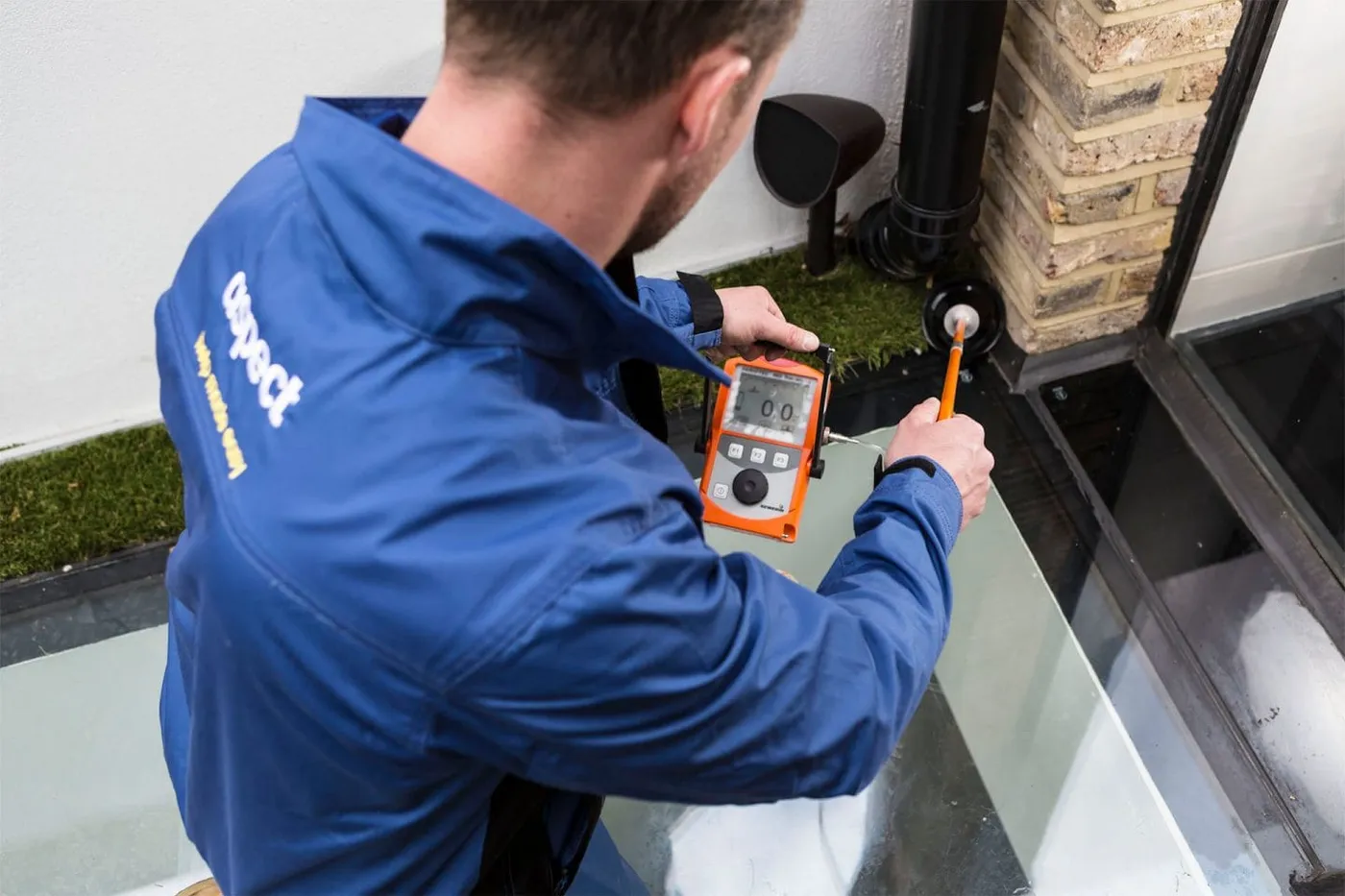
For the most precise location of leaks beneath slabs or in complex commercial systems, we utilise tracer gas detection. This involves introducing a safe, inert gas (like hydrogen-nitrogen mix) with a distinct odour profile into the drain line. Highly sensitive electronic gas sniffers are then used to trace the gas's path through flooring or soil, identifying even the smallest leak with millimetre accuracy. This method is indispensable for confirming suspected leaks without destructive excavation.
Addressing the root cause is paramount. A simple blocked vent may require rodding, but a diagnosed leak necessitates a targeted repair, often via modern trenchless methods like pipe relining for minimal disruption. For property managers, understanding these technical causes and the precision tools available for detection is the first step in resolving odour issues effectively and permanently, protecting both asset value and occupant wellbeing.
Frequently asked questions
Could a sewage smell be caused by something other than a drain?
Yes. While drains are the primary suspect, smells can emanate from a failed sump pump pit seal, a cracked sewage ejector basin, or even from external sewer mains via damaged building drains. Our detection process systematically rules out or confirms each potential source.
How do you locate a leak under a concrete floor without digging everything up?
We use a combination of non-destructive methods. Tracer gas detection is the most precise for this scenario. By introducing a detectable gas into the pipe and using electronic sniffers at the surface, we can map the gas's escape path, accurately pinpointing the leak's location for a minimal, targeted excavation or repair via pipe relining.
Is a sewage smell a health hazard for tenants?
Absolutely. Sewage gases contain hydrogen sulphide and methane, which are toxic and potentially explosive in high concentrations. Prolonged exposure to lower levels can cause respiratory irritation, headaches, and nausea. It is a serious issue that landlords have a legal duty to investigate and remedy promptly to ensure a safe living environment.