Leaking or Seized Stopcock: Diagnosis and Resolution for Property Managers
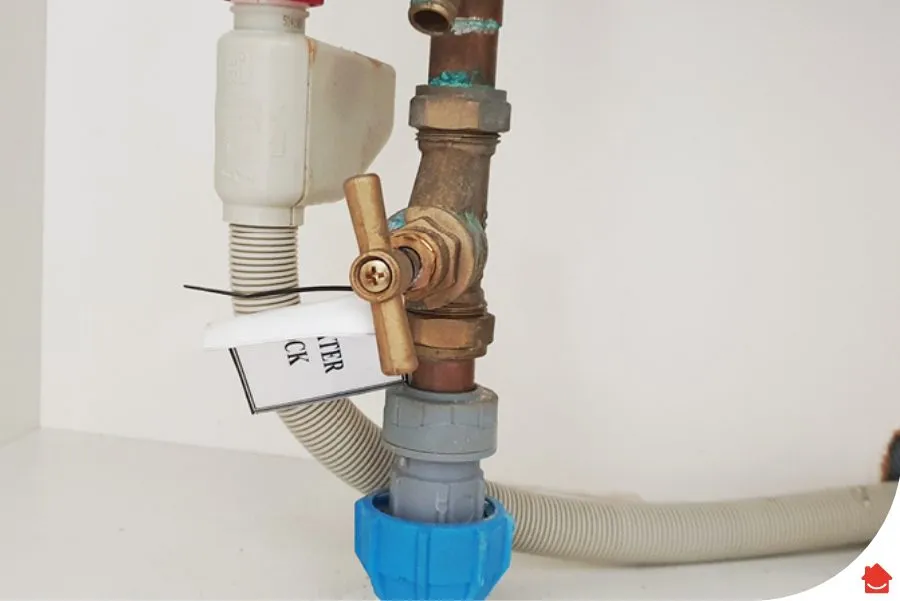
A leaking or seized main stopcock is a critical failure point requiring precise diagnosis. We outline the technical inspection process and professional remediation steps.
Identifying a Faulty Main Stopcock
The main internal stopcock is the primary isolation valve for a property's water supply. For landlords and commercial property managers, a leaking or seized valve represents a significant operational risk, compromising both water integrity and emergency control. A seized valve cannot be turned, while a leaking one typically drips from the spindle or gland nut. The first diagnostic step is a visual and manual inspection. Check for corrosion around the valve body, mineral deposits indicating past seepage, and attempt a gentle turn of the handle. Do not force it. For precise leak confirmation on a weeping spindle, our engineers often employ absorbent paper or tissue to isolate the moisture source from ambient condensation.
Technical Causes and Professional Assessment
The seizure is typically caused by limescale accumulation or internal corrosion of the spindle threads and gland packing. A leak often stems from degraded gland packing (the seal around the spindle) or, in severe cases, a cracked valve body. In hard water areas, limescale is the predominant culprit. Our assessment uses specialised tools, including inspection mirrors and borescopes where access is limited, to evaluate the valve's condition without intrusive dismantling. We determine if the issue is localised to the gland nut (often repairable) or if the valve body itself is compromised (usually requiring replacement). For commercial systems, we also assess the valve's specification against current water byelaws to ensure any replacement is compliant.
A critical consideration is the condition of the incoming supply pipe leading to the stopcock. Corrosion here can mean that disturbing the old valve may cause a more significant failure upstream. Our methodology includes assessing this risk prior to any intervention. We also verify the location and operability of any external stop tap, as this may be required to isolate the supply during the work, though its condition cannot be relied upon.
Resolution Pathways: Repair vs. Replacement
For a simple gland leak, a professional repair involving tightening or repacking the gland nut may be a viable, minimally disruptive solution. This requires isolating the water via the external stop tap, draining down the relevant section, and carefully repacking the gland with appropriate sealant. However, for a fully seized or body-leaking valve, replacement is the definitive and most reliable remedy.
The replacement process is technical. It involves freezing the incoming main pipework upstream of the valve or, where possible, using the external stop tap for isolation. The old valve is then cut out, and a new, full-bore lever ball valve—which is less prone to seizing—is installed. We ensure all new fittings are compatible with existing pipe materials (copper, iron, or plastic) and that the installation includes a drain-off point. For landlords, installing an accessible, easy-to-operate valve is a key maintenance improvement. Post-installation, we conduct a full pressure and flow test to confirm integrity and document the new valve's location for your property records.
Procrastination with a faulty stopcock is inadvisable. A minor leak can escalate, and a seized valve becomes a major emergency if a separate leak occurs elsewhere in the system, preventing isolation. Engaging a specialist with the correct tooling for pipe freezing and precise installation ensures the repair is completed to professional standards, safeguarding your property.
Frequently asked questions
Can a seized stopcock be freed without replacement?
Sometimes, if the seizure is mild and due to surface corrosion. Professionals may apply penetrating fluid and use adjusted spanners with controlled force. However, this risks shearing the spindle. Given the valve's critical role, replacement is often the recommended, definitive solution to guarantee future operability.
Who is responsible for repairing the main internal stopcock?
The property owner or landlord is responsible for the internal stopcock and all pipework within the property boundary. The water company is typically responsible for the external stop tap in the public footpath. A clear understanding of this demarcation is essential for directing maintenance efforts correctly.
What should I do if I discover a leaking stopcock in a tenanted property?
Instruct tenants not to attempt forceful operation. Isolate the water supply if possible via an alternative valve, such as under-sink isolators, to mitigate damage. Contact a professional leak detection and plumbing service immediately. Precise, timely intervention prevents localised water damage and maintains your emergency control capability over the property's supply.