How to Locate the Stopcock in a London Flat: A Technical Guide for Landlords
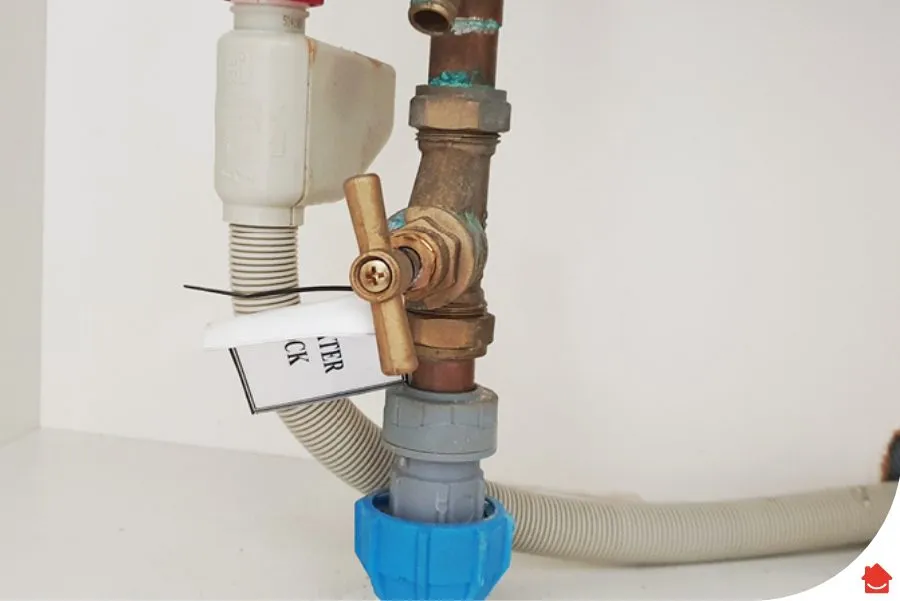
Identifying your property's main stopcock is critical for rapid leak isolation. This guide details common locations and technical identification methods.
The Critical Role of the Main Stopcock in Leak Management
For landlords and commercial property managers, rapid response to a water leak hinges on one fundamental action: isolating the water supply. The main internal stopcock (or stop tap) is the primary valve for this purpose. Its precise location is not always obvious, especially in modern flats where service cupboards and utility risers are designed for aesthetics. Our engineers frequently attend emergency callouts where minutes are lost searching for this valve, increasing water damage. This guide provides a systematic, technical approach to locating the stopcock, based on common UK plumbing configurations and building standards.
Systematic Search: Common Technical Locations
Begin your search at the point where the mains water supply enters the property. In most flats, this follows a predictable path. First, check under the kitchen sink. This is the most common location, often fitted low down on the wall or pipework behind the cupboard panels. The valve typically has a brass or chrome finish with a quarter-turn handle or a traditional tap head.
If not found there, inspect all utility cupboards, especially those housing the boiler or unvented cylinder. In many modern developments, a dedicated service riser or cupboard contains all incoming utilities. The stopcock should be on the rising main before any branch lines. In some older conversions, it may be located under floorboards near the front door, or in a dedicated cellar or basement service area for the building. Visually trace the largest diameter cold water pipe (usually 15mm or 22mm copper or MDPE) from its entry point; the first major valve on this line is your target.
Identification and Verification of the Correct Valve
Correct identification is crucial. The main stopcock will be on the large cold mains pipe, not a smaller branch feeding a single appliance. It should be a full-bore valve, meaning it can shut off the entire supply. We advise confirming its function proactively during a routine inspection: slowly turn the valve clockwise until it stops. Check that water flow ceases at all cold taps, especially the kitchen tap which is usually on the mains. Immediately reopen it fully (counter-clockwise) to prevent seizure. Note that some properties may have secondary isolation valves for specific areas; the main valve controls everything.
For complex systems, particularly in multi-let commercial buildings or large flats, there may be a landlord's supply valve in addition to the tenant's. Understanding the schematic of your property's plumbing is essential. We recommend clearly labelling the valve and ensuring its location is documented in your property's operational manual and communicated to tenants. A seized or inaccessible stopcock is a significant liability; our engineers can service or relocate valves to ensure they remain operational.
Frequently asked questions
What if the stopcock is seized or won't turn?
Do not force it, as this can shear the valve stem. Apply a penetrating lubricant designed for plumbing and allow it to work in. If it remains stuck, this is a maintenance issue requiring a professional plumber to replace the valve, which we strongly advise addressing pre-emptively to avoid emergency complications.
Is the stopcock location the same for all flats?
While common locations exist, there is no universal standard, especially in conversions or architect-designed buildings. The guiding technical principle is to find the first accessible valve on the mains supply pipe after it enters the property's demise. In some very modern flats, all isolation may be via a utility cupboard serving multiple units.
Should tenants be shown the stopcock location?
Absolutely. We recommend landlords include its location and simple operation in the tenant check-in guide. This enables the fastest possible response to a leak, minimising water damage to your property. Clearly labelling the valve reduces confusion.