Advanced Leak Detection for Listed & Period Buildings in London
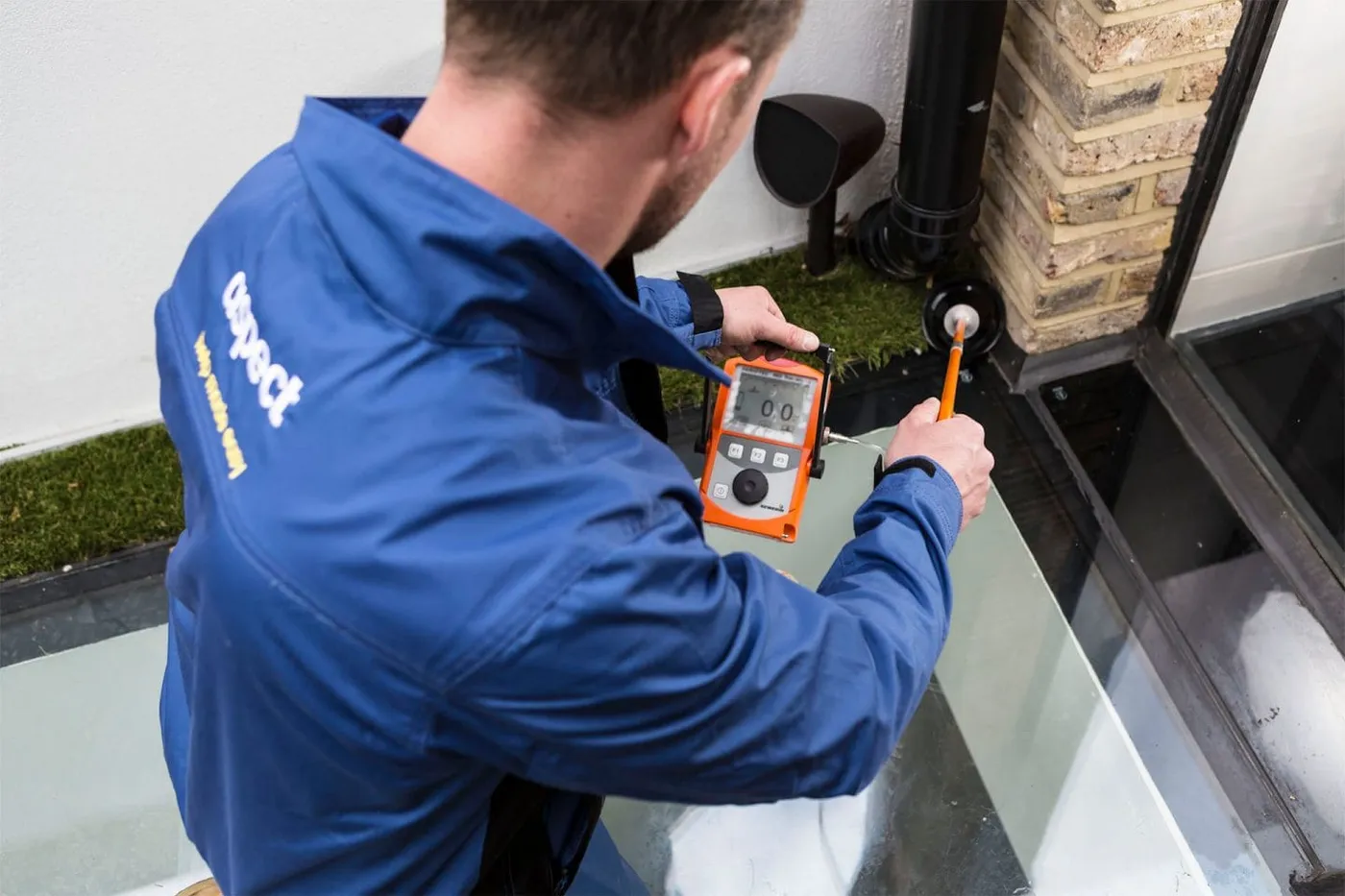
We deploy specialist acoustic, thermal, and tracer gas technologies to pinpoint leaks in listed buildings without invasive searches, ensuring structural integrity and compliance.
The Precision Engineering Challenge in Historic Structures
Leak detection in London's listed and period buildings presents a unique set of engineering challenges. The complex construction layers, concealed voids, and irreplaceable materials typical of these properties demand a methodology that prioritises non-invasive precision. Standard investigative techniques, which often involve exploratory opening up, are not suitable. Our approach is built on a principle of zero structural damage, utilising a suite of advanced diagnostic technologies to locate the source of moisture intrusion with exactitude.
Core Non-Invasive Detection Methodologies
Our primary toolkit for historic buildings centres on three key technologies. Acoustic leak detection employs highly sensitive ground microphones and correlators. These devices listen for the specific sound profile of pressurised water escaping from a pipe. By analysing the sound's travel time between two sensors, our engineers can triangulate the leak's location, often through several feet of masonry or beneath original floorboards, with remarkable accuracy.
Complementing this, thermal imaging cameras (thermography) detect subtle temperature differentials caused by moisture. A leaking pipe behind lath and plaster or within a ceiling void will create a distinct thermal signature visible to our engineers on screen. This allows for visual mapping of damp patches and pipe runs without physical contact. For the most elusive leaks, particularly in underfloor heating systems or deep within walls, we use tracer gas detection. An inert, non-toxic gas is introduced into the pipework. Using a specialised sniffer probe, we can trace the gas's path to the exact point of egress, even through dense construction.
Technical Specificity for Landlords & Commercial Managers
For landlords and commercial property managers, this technical approach directly translates to risk mitigation and compliance. Our reports provide forensic-level detail on leak location, likely cause, and recommended remedial action, which is crucial for managing maintenance budgets and justifying works to freeholders or conservation officers. The process protects the asset's fabric and value by avoiding unnecessary damage from guesswork. Furthermore, our methods can identify developing issues—like minor leaks in lead or old iron pipework—long before they cause visible water damage or mould, allowing for planned, minimally disruptive repairs that align with tenancy cycles and building preservation mandates.
Ultimately, managing a period property requires a partnership with specialists who understand both the technology and the heritage constraints. Our engineers are trained to interpret the data from these devices in the context of historic building physics, distinguishing between modern plumbing faults and age-related material failure. This ensures solutions are not only effective but also sympathetic to the building's long-term integrity.
Frequently asked questions
How do you locate a leak without damaging original features?
We use non-invasive technologies like acoustic correlation, thermal imaging, and tracer gas. These tools allow our engineers to 'see' and 'hear' leaks through walls, floors, and ceilings, pinpointing the exact location for a targeted, minimal-access repair that preserves original plasterwork, panelling, and flooring.
Are your methods compliant with listed building consent requirements?
Absolutely. Our core methodology is designed for compliance. By providing precise location data, we enable repairs that are surgically targeted, avoiding the broad exploratory work that typically requires consent. Our detailed report can also support your application for any necessary permissions by demonstrating a necessary and minimally invasive approach.
Can you detect leaks in old lead or iron pipework?
Yes. Our acoustic and tracer gas technologies are particularly effective on metal pipework, regardless of age. Tracer gas can locate pinhole leaks in corroded iron pipes, while sensitive acoustic equipment can detect the distinct sound of water escaping from lead joints. This allows for precise intervention on historic systems.