Advanced Leak Detection for Restaurants and Commercial Kitchens
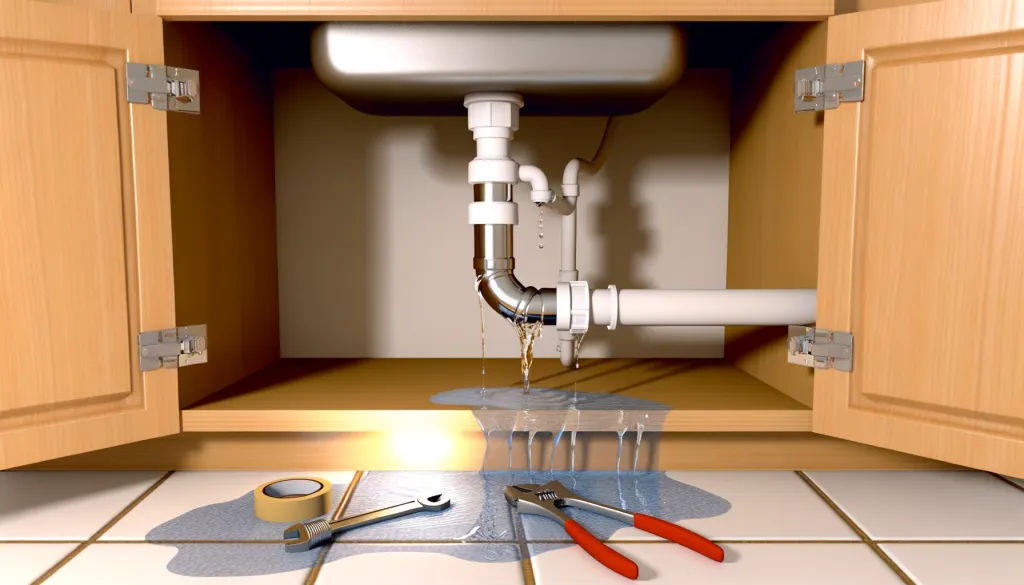
We outline the specialised, non-invasive leak detection technologies essential for locating hidden water and gas leaks in commercial kitchens without disrupting operations.
Specialised Detection for High-Risk Environments
Leak detection in a restaurant or commercial kitchen presents a unique set of technical challenges. The environment is dense with complex plumbing, gas lines, grease traps, and refrigeration condensate drains, all often concealed behind walls, under concrete floors, or within cabinetry. A minor, hidden leak can rapidly escalate into a major issue, causing structural damage, mould growth, and catastrophic business interruption. Our approach is grounded in a principle of precision and minimal invasiveness, utilising advanced diagnostic technologies to pinpoint the exact source of a problem without unnecessary exploratory demolition.
Core Non-Invasive Detection Methodologies
Our engineers deploy a suite of specialised tools designed for the commercial setting. Acoustic leak detection is a primary technique, using ground microphones and correlators to listen for the high-frequency sound of water escaping under pressure from pipes buried in slab foundations or run behind walls. This method is highly effective for pressurised water lines and requires no physical intrusion.
For non-pressurised drainage lines and to trace moisture paths, we employ thermal imaging cameras. These devices detect subtle temperature differences caused by evaporative cooling from water ingress or pooling within cavities, often revealing leaks long before they become visible. Complementing this, tracer gas detection is the gold standard for locating leaks in complex gas supply lines to ovens, ranges, and fryers. An inert, non-flammable gas is introduced into the line, and sensitive gas detectors are used to trace its path as it escapes from even the smallest breach, ensuring safety and regulatory compliance.
Furthermore, we utilise moisture mapping with sophisticated pin and non-pin hygrometers. This allows us to accurately define the extent of water damage in subfloors and wall structures, providing a clear, data-driven perimeter for any necessary remediation work, ensuring it is limited to the affected area only.
Protecting Your Business from Operational Downtime
The paramount concern for any restaurant operator or property landlord is the continuity of service. Our technical process is designed to minimise disruption. Diagnostics are conducted during pre-arranged hours, often outside of peak service times, and our focus on exact location eliminates guesswork. By providing a precise diagnosis, we enable targeted, efficient repairs. This prevents the scenario of multiple exploratory holes being cut, which can lead to extended closure, lost revenue, and significantly higher restoration costs. For landlords, this precise approach protects the asset's fabric and value, providing documented evidence of the leak's source and extent for insurance and maintenance records.
Proactive monitoring is also a key consideration for high-value installations. We can advise on and install permanent, point-of-use leak detection systems for critical areas like walk-in cooler condensate pans, dishwasher supply lines, and main water ingress points. These systems provide early audible or connected alerts, allowing for immediate intervention before a small drip becomes a flood.
Frequently asked questions
Can you detect leaks without breaking into walls or floors?
Yes, our primary methodologies are non-invasive. We use acoustic correlation to listen for leaks in pressurised pipes, thermal imaging to visualise temperature anomalies from moisture, and tracer gas for gas line integrity testing. Physical access is only required for the final, targeted repair once the exact source is identified.
What are the most common leak sources in a commercial kitchen?
Frequent sources include deteriorated seals on grease trap interceptors, failing gaskets or supply lines under dishwashers and prep sinks, condensate drain blockages from walk-in refrigerators and ice machines, and corrosion on old galvanised water supply lines. Gas line leaks, often at valve joints or flexible connectors behind cooking equipment, are also a critical concern.
Why is specialised equipment necessary for kitchen leak detection?
The density of services, background noise from equipment, and construction materials (like concrete slabs) make visual inspection ineffective. Specialised tools like acoustic correlators filter out ambient noise to isolate leak sounds, while thermal cameras see through surfaces to map moisture. Standard plumbing tools cannot achieve this level of precision in such a complex environment.