Precision Leak Detection for Commercial Property Managers in London
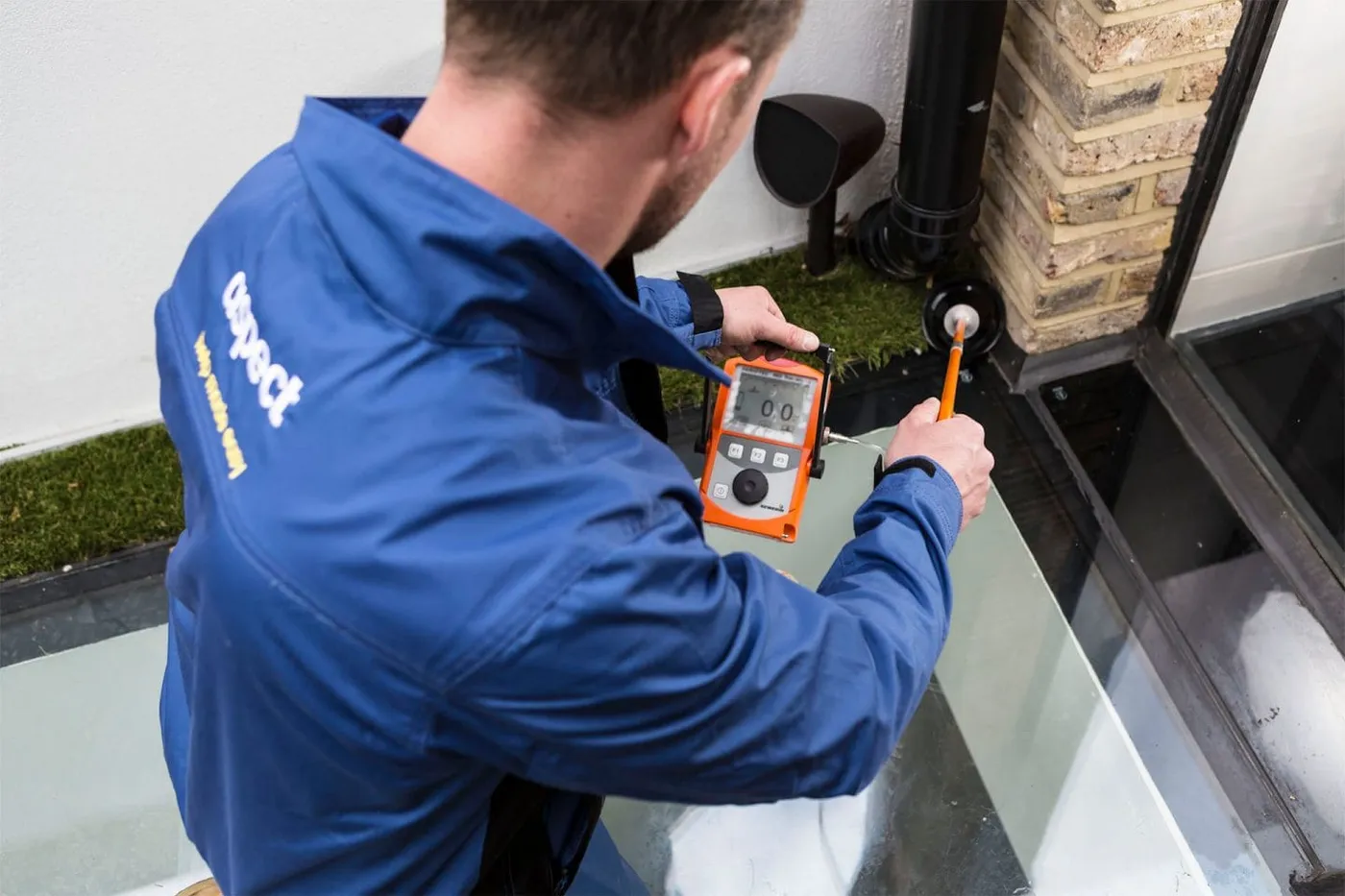
A technical overview of advanced, non-invasive leak detection methodologies essential for commercial property managers in London to protect assets and minimise disruption.
Advanced Diagnostics for Commercial Asset Protection
For commercial property managers and landlords in London, undetected water ingress represents a significant risk to asset value, tenant satisfaction, and operational continuity. Traditional reactive approaches—waiting for visible damage or tenant reports—are inadequate for high-value portfolios. Our methodology is founded on precision and pre-emption, employing a suite of non-invasive technologies to locate and diagnose leaks with minimal disruption to tenants and building fabric.
The core principle is moving from destructive searching to targeted investigation. By understanding the specific hydraulic systems within a commercial property—from complex riser mains and under-slab supply lines to HVAC condensate drains and roof membranes—we deploy the most appropriate diagnostic toolset. This systematic approach isolates the fault, not the area.
Core Non-Invasive Detection Methodologies
Our engineers utilise a layered technological approach, each method selected for its specificity to the suspected leak type and building construction.
Acoustic Leak Detection: This is the primary tool for pressurised pipework. Highly sensitive ground microphones and correlators pinpoint the sound of water escaping under pressure. In commercial settings, we use advanced multi-sensor correlation to filter out ambient building noise (HVAC, lifts, general occupancy) and accurately locate leaks within centimetres in complex networks, often without a single exploratory hole.
Thermal Imaging & Thermography: Infrared cameras visualise temperature differentials caused by moisture. This is invaluable for tracing the extent of damp ingress in walls, identifying leaks under flat roofs or within in-floor heating systems, and verifying the integrity of tanking membranes. It provides a visual map of moisture spread that informs drying strategies and repair scopes.
Tracer Gas Detection: For non-pressurised pipes, vinyl flooring, or complex interstitial spaces, we introduce an inert, non-toxic hydrogen-based tracer gas into the suspected line. Using ultra-sensitive detectors, we trace the gas's path to the precise exit point. This method is exceptionally effective for locating leaks in underfloor heating circuits and drainage lines where acoustic methods are less effective.
Integrating Detection into a Proactive Management Strategy
For the commercial portfolio manager, integrating these diagnostic capabilities transforms leak response from a costly emergency into a managed, efficient process. The goal is precise intervention: knowing exactly where and what the fault is before any remediation work begins. This limits repair costs, tenant disruption, and secondary damage like mould or structural deterioration.
We recommend a protocol of systematic investigation: starting with a thorough review of building plans and a moisture survey, followed by the sequential application of non-invasive technologies to narrow the search field. The final report provides not just a leak location, but a diagnostic summary of the cause, the extent of moisture migration, and recommended repair methodologies. This document becomes a critical part of your asset management file, supporting insurance claims and long-term maintenance planning.
In the dense, multi-use environment of London's commercial property market, protecting your asset requires forensic-level diagnostics. By grounding our response in technical specificity and precision detection methods, we enable property managers to act decisively, minimise operational downtime, and preserve the capital value of their buildings.
Frequently asked questions
How do you minimise disruption to tenants during a leak investigation?
Our core technologies are non-invasive. Acoustic correlation, thermal imaging, and tracer gas detection allow us to locate leaks within walls, floors, and slabs without exploratory demolition. Investigations are typically conducted with minimal noise and access requirements, often coordinated outside core business hours to avoid impacting tenant operations.
What is the most effective method for finding a leak under a concrete slab in a commercial basement?
For pressurised supply lines under slab, acoustic correlation is the definitive method. Sensors placed on pipe access points correlate the sound of the leak to calculate its precise position. For non-pressurised drainage lines or to confirm a location, tracer gas detection is highly effective. The choice is based on a technical assessment of the pipe type and system pressure.
Can you detect leaks in flat roof membranes or buried tanking?
Yes. Thermal imaging is a primary tool for this. Following rain or during specific thermal conditions, we conduct an infrared survey to identify cooler, wet areas within the roof build-up or behind tanking. For definitive pinpointing of breaches, we may employ low-voltage electrical impedance testing or flood testing with tracer gas, depending on the construction.