How Fast Should an Emergency Plumber Arrive in London?
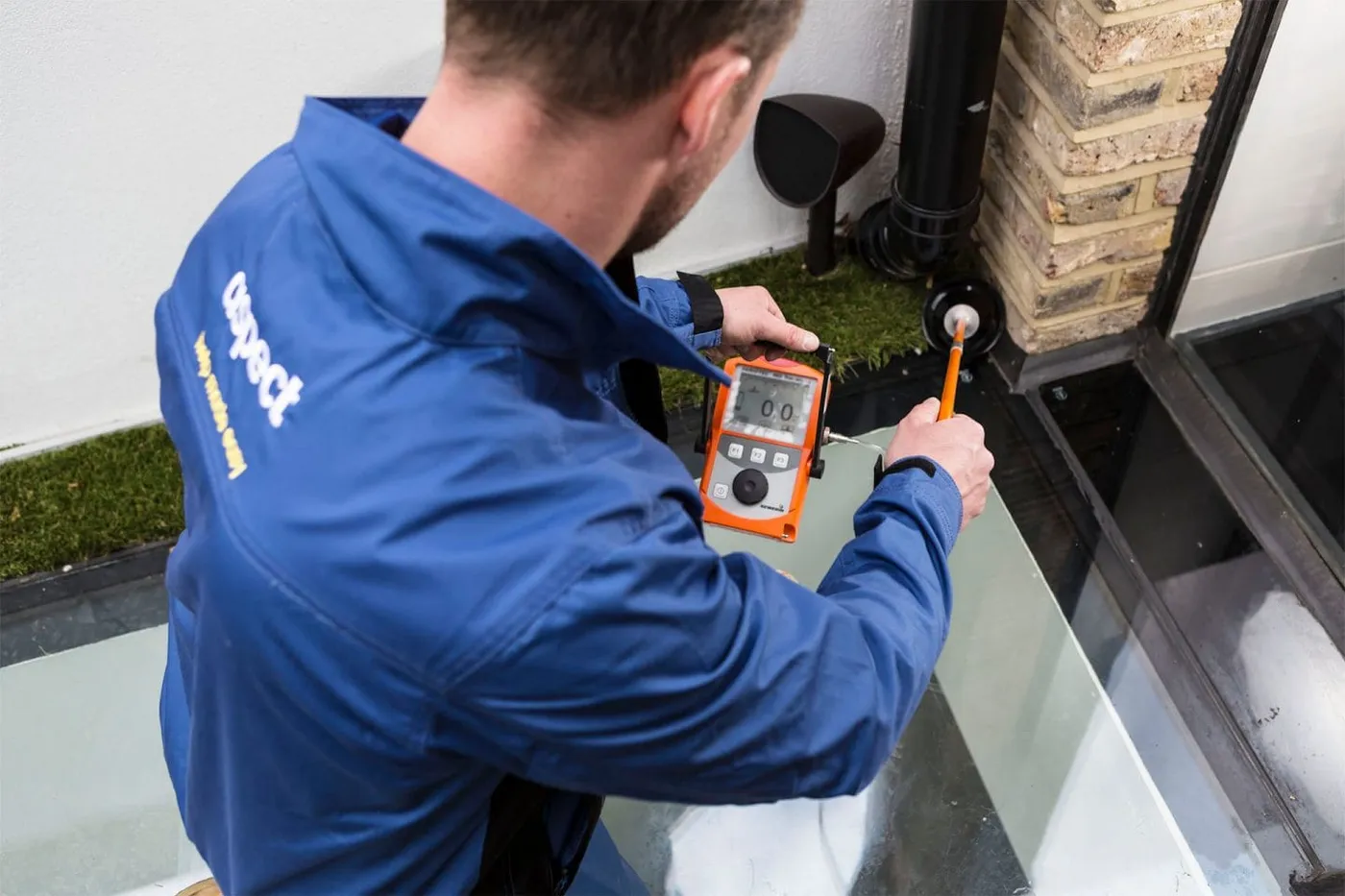
In London, a fast emergency plumber response is critical to mitigate water damage. Our technical guide explains the factors influencing arrival time and the precision required for immediate, effective intervention.
The Critical Window for Emergency Plumbing Response
In London's dense property landscape, the speed of an emergency plumber's arrival is not merely a convenience; it is a primary technical factor in damage mitigation. A rapid response directly correlates with limiting structural damage, mould risk, and operational downtime. We operate on the principle that the clock starts ticking from the moment a significant leak or burst pipe is identified. Our engineers prioritise mobilisation to minimise this critical window, understanding that water ingress follows predictable physical paths through building fabrics and can compromise electrical systems within a short timeframe.
Technical Factors Influencing Plumber Arrival Speed
Several precision-focused variables dictate realistic arrival times. First is the initial triage conducted via phone or video call. Our engineers use this diagnostic step to identify the likely source and severity, ensuring the correct specialist and equipment—such as thermal imaging cameras, acoustic listening devices, or tracer gas kits—are dispatched from the outset. Traffic logistics across London zones are constantly monitored to route engineers efficiently. Furthermore, the nature of the emergency dictates priority; a major mains burst threatening structural integrity or tenant safety commands immediate resource allocation over a slower, minor seepage.
The complexity of the detection method itself is also a factor. While a visible leak may allow for immediate containment, locating a hidden leak within a concrete slab or behind a finished wall requires systematic, technology-led investigation. Arriving with the correct non-invasive diagnostic tools is essential, as a return trip for equipment would represent a critical failure in emergency protocol. Our vans are equipped as mobile workshops for this reason, carrying a spectrum of detection technologies to begin precise investigation the moment we arrive on site.
Precision Over Haste: The Role of Advanced Leak Detection
While swift arrival is paramount, unguided haste can be counterproductive. The modern standard for emergency response in London integrates speed with surgical precision. Upon arrival, our engineers do not commence destructive searching. Instead, they deploy a phased diagnostic approach. This may involve using moisture meters to map the extent of saturation, followed by thermal imaging to identify temperature anomalies caused by escaping water, or acoustic correlators to pinpoint the sound of a leak under pressure.
This methodical, technology-driven process ensures that when intervention begins—whether it's a targeted isolation, an epoxy pipe repair, or a controlled drainage operation—it is exact. For landlords and commercial clients, this precision minimises restoration time, preserves aesthetic finishes, and provides definitive evidence for insurance reports. The goal is a single, efficient visit that resolves the source definitively, rather than a fast but temporary fix that necessitates further disruptive visits.
Ultimately, the benchmark for 'how fast' is measured by the time to a confirmed diagnosis and controlled containment, not just physical presence. Our process is designed to seamlessly bridge the arrival phase with the technical investigation phase, ensuring no momentum is lost. For complex commercial systems, this often means coordinating with building management from the road to access schematics and valve locations, so our engineers can move with purpose from the moment they enter the site.
Frequently asked questions
What is considered a 'rapid response' for an emergency plumber in London?
A rapid response is defined by a combination of swift mobilisation and the immediate application of targeted diagnostic technology upon arrival. While specific timeframes depend on location and traffic, the priority is to have a specialist engineer en route promptly, equipped to transition seamlessly into precise leak detection or containment, minimising the damage progression window.
Why can't a plumber just find and fix a leak immediately upon arrival?
Modern building materials and complex pipework often conceal leaks. Immediate, destructive searching is inefficient and costly. We use a precision approach: deploying tools like thermal imaging and acoustic detectors to locate the exact leak source non-invasively first. This ensures the fix is targeted, minimising repair work and restoration time, which is crucial for landlord and commercial properties.
What should I do while waiting for an emergency plumber to arrive?
First, isolate the water supply at the main stopcock if it is safe to do so. Switch off electricity to affected areas if water is near fittings or wiring. Contain water with towels and move valuables. If possible, take clear photos or a short video of the leak and any damage for insurance and to aid our engineers' remote triage. Do not attempt major repairs yourself.