How to Bleed a Radiator Properly: A Technical Guide for Landlords & Property Managers
A technical walkthrough of the correct procedure for bleeding a radiator, detailing the tools required and the signs that indicate a deeper system fault.
Bleeding a radiator is a fundamental maintenance task for any central heating system, but performing it correctly requires precision and an understanding of the underlying hydraulics. For landlords and commercial property managers, a systematic approach ensures tenant comfort and can preempt more significant system failures. This guide details the exact procedure, moving beyond basic DIY advice to a method grounded in plumbing engineering principles.
The Technical Procedure for Effective Bleeding
Begin by identifying which radiators require attention. Cold spots at the top, typically accompanied by gurgling sounds, indicate trapped air. Before starting, ensure the central heating system is completely off and cool; introducing air into a hot, pressurized system is hazardous and counterproductive. Our engineers always follow this safety-first protocol. Gather a radiator key (specific to your valve type), a small container or cloth to catch any drips, and a pressure gauge for the boiler if available. This last tool is crucial for post-bleed diagnostics.
Place your container under the bleed valve, located at the top corner of the radiator. Insert the key and turn it anti-clockwise slowly, no more than a quarter to half a turn. You will hear a hiss of escaping air. Hold the cloth ready. Once a steady trickle of water appears, immediately tighten the valve clockwise to seal it. Do not overtighten, as this can damage the valve seat and create a future leak point. This controlled, incremental release is the core of the proper technique.
Post-Bleed System Checks and Diagnostics
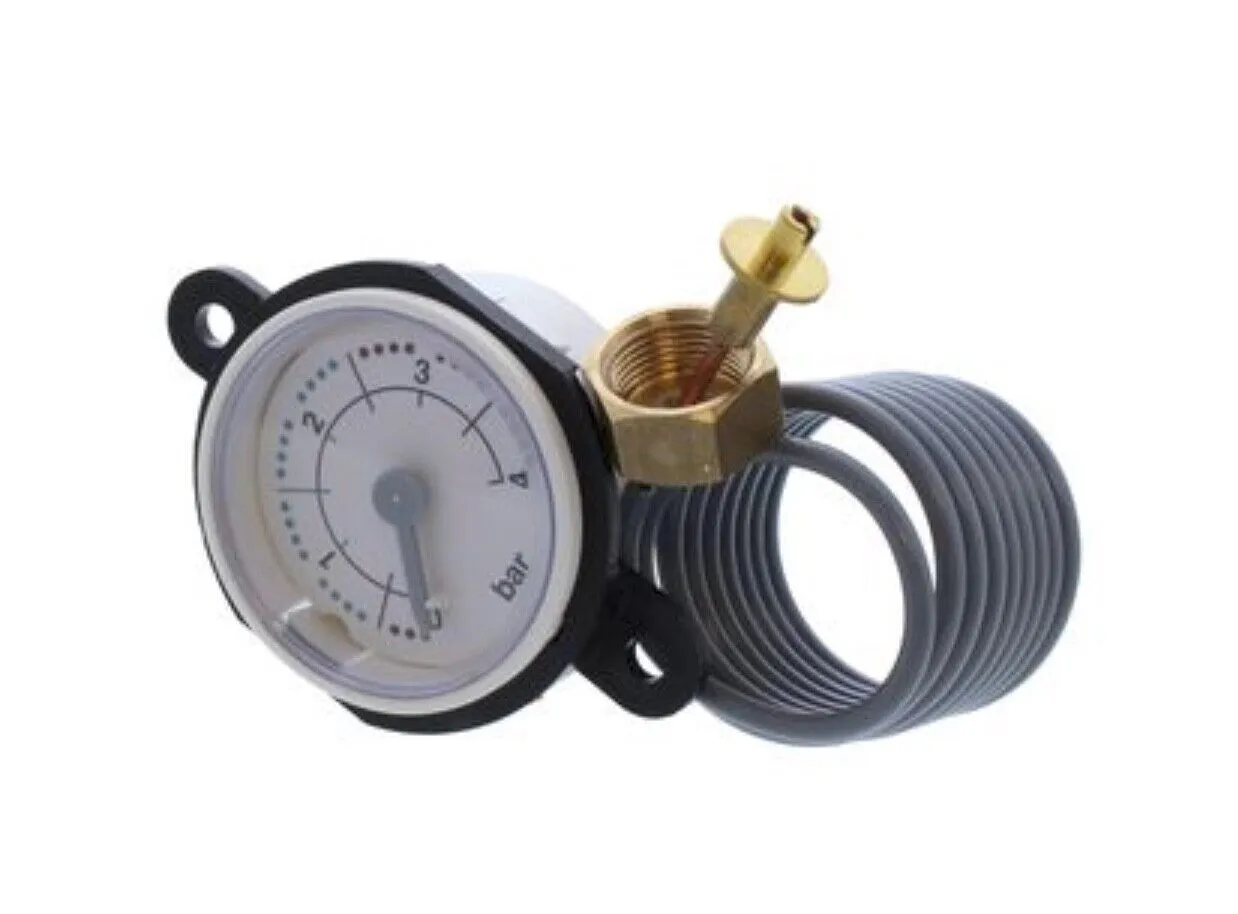
Once all affected radiators are bled, the critical technical step begins: system repressurisation and check. Restart your boiler and monitor the system pressure gauge. A significant pressure drop is normal and must be corrected by repressurising the system via the filling loop, following your boiler manufacturer's instructions, to bring it back to the recommended bar (typically 1-1.5 bar for a cold system). Failure to do so will leave the system underperforming and can trigger boiler lock-out.
If, after bleeding, the system pressure falls repeatedly or you cannot regain stable pressure, this is a definitive diagnostic signal. It indicates a leak elsewhere in the system, potentially from a corroded radiator, a faulty pressure relief valve, or a leak in the pipework or heat exchanger. Similarly, if radiators require bleeding with abnormal frequency—more than once or twice a season—it suggests a systemic issue such as a faulty automatic air vent, corrosion introducing hydrogen gas into the system, or a leak on the suction side of the feed pipe. These are not DIY fixes; they require professional leak detection and repair.
When Bleeding Is a Symptom, Not a Solution
From our perspective in leak detection, a constantly needing-to-be-bled system is a primary indicator of an underlying fault. Air does not simply 'appear'; it is drawn in to replace lost water from a leak, or it is generated by corrosion within aging components. For commercial properties and multi-let residential buildings, recognising this distinction is vital for asset protection. Continually adding fresh water via the filling loop introduces oxygen, accelerating corrosion in ferrous components and creating a cycle of degradation and further air ingress.
Our methodology in such cases involves systematic isolation and pressure testing of heating circuits, often using electronic listening devices and thermal imaging cameras to pinpoint even pinhole leaks without invasive demolition. Addressing the root cause—be it a failed seal, pinhole leak, or corroded section—restores system integrity, eliminates constant bleeding, and protects the long-term health of the entire heating installation. Proper bleeding is maintenance; diagnosing its cause is precision engineering.
Frequently asked questions
How often should I need to bleed my radiators?
In a sealed, well-maintained system, bleeding should only be necessary once a year at the start of the heating season. If you find yourself bleeding radiators every few weeks or months, it is a strong technical indicator of a system fault, such as a leak introducing air or internal corrosion generating hydrogen gas. This requires professional investigation.
Can bleeding a radiator cause a leak?
If performed correctly with the proper tools, bleeding should not cause a leak. However, over-tightening or using excessive force on an old, corroded bleed valve can damage the thread or seat, creating a new leak point. Similarly, if the valve is not fully closed after bleeding, it will drip continuously. Using the correct key and turning gently is essential.
My boiler pressure drops after bleeding. Is this normal?
Yes, a moderate pressure drop is normal as you have released compressed air from the system. You must manually repressurise the system via the filling loop to the manufacturer's specified cold pressure (usually 1-1.5 bar). If the pressure drops again rapidly or you cannot maintain stable pressure after repressurising, this confirms a water loss leak within the system that needs professional leak detection.