Why Are Leak Detection Quotes So Different in London?
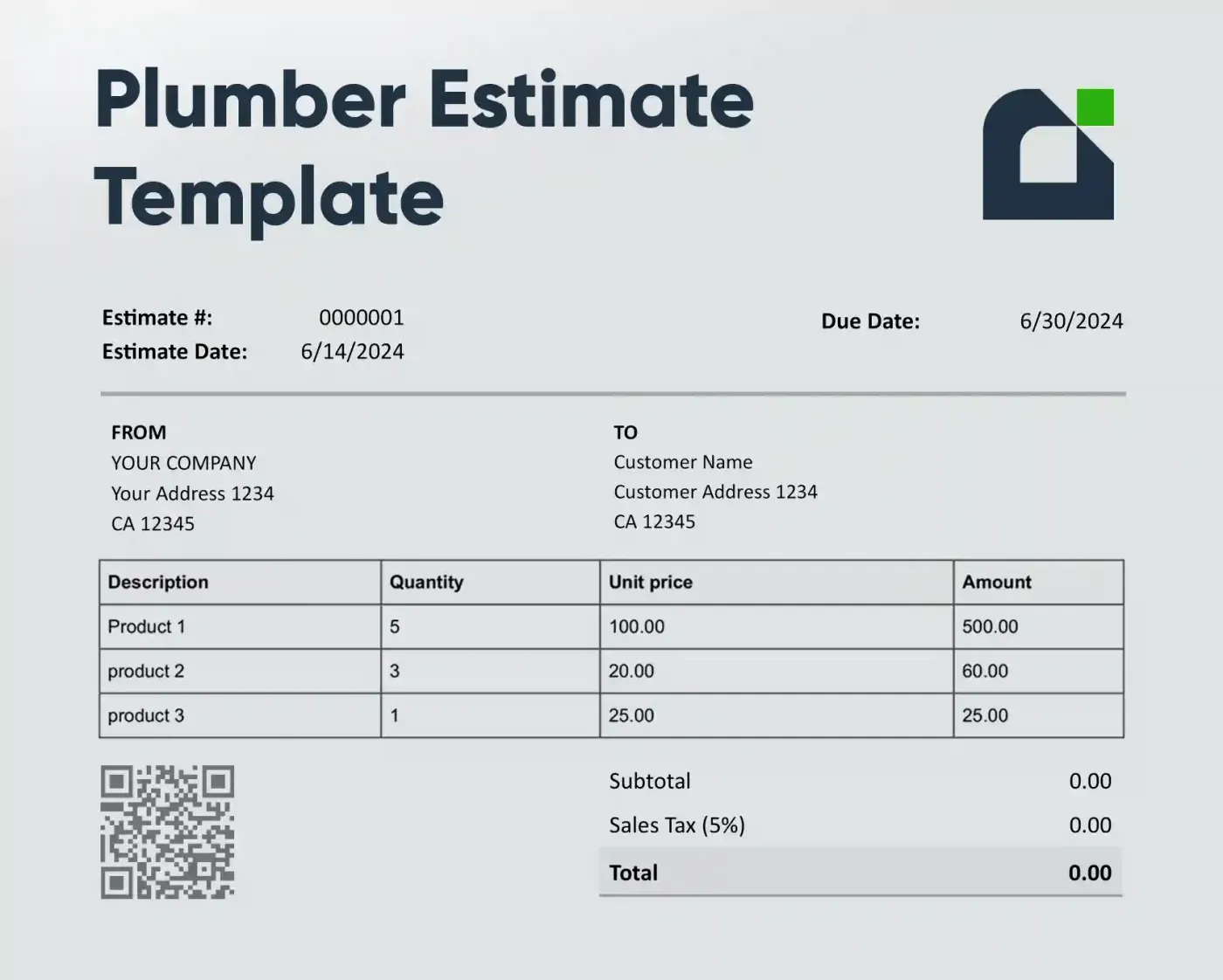
Discrepancies in London leak detection quotes stem from technical factors like access challenges, technology choices, and the required level of precision, directly affecting project scope and cost.
The Variables of Access and Site Complexity
One primary driver of cost variation is the on-site environment itself. For a landlord, a leak in an easily accessible, unfinished basement of a Victorian conversion presents a fundamentally different challenge to one suspected under the finished flooring of a high-spec Mayfair apartment. Our engineers must assess the invasiveness required. Non-invasive methods are preferred but not always definitive, while gaining physical access to suspected areas can involve careful removal of finishes, which adds significant time and reinstatement considerations to the project scope.
Similarly, commercial properties introduce scale and operational constraints. Tracing a leak across multiple floors of an office block, potentially within complex service risers or behind fixed server racks, demands a more extensive survey. The need to work around business hours or within sensitive environments like data centres or laboratories further refines the approach and resource allocation, all of which are reflected in a detailed quote.
Diagnostic Methodology and Technological Precision
The choice of detection technology is a core technical differentiator. A basic visual inspection and moisture meter reading provide a limited dataset, often sufficient for surface-level condensation issues. However, pinpointing a pressurised leak within a screeded floor or a concrete slab requires a higher order of precision.
Our engineers select from a toolkit based on the suspected fault. Acoustic leak detection uses ground microphones to isolate the sound of water escaping under pressure, effective for accessible pipework. Thermal imaging cameras map temperature differentials caused by moisture, revealing hidden damp patches behind walls. Tracer gas detection, where an inert gas is injected into a pipe system, is exceptionally precise for locating leaks in underfloor heating or complex networks, as the gas permeates through flooring and is detected with sensitive equipment. Each technology carries different equipment, calibration, and expertise requirements, directly influencing the project's cost structure.
Defining the Scope: Detection Versus Diagnosis
A critical reason for quote disparity lies in the defined scope of work. Some providers may quote purely for the act of locating the leak source—a single-point service. We often advise that for landlords and commercial property managers, a more valuable outcome is a comprehensive diagnosis. This includes not only pinpointing the leak but also assessing the cause, the extent of damage, and providing a clear, technical report outlining recommended remedial actions.
This forensic level of service involves more time on site, detailed reporting, and often correlating data from multiple technologies to build a conclusive picture. A quote for a full diagnostic survey will naturally differ from one for a basic leak trace. For complex cases, we may also recommend a phased approach: an initial survey to narrow the search area, followed by a precision investigation, which provides cost clarity at each stage rather than a single, open-ended estimate.
Clarity Through Technical Specification
Ultimately, a precise quote stems from a precise brief. Vague descriptions like "damp patch in kitchen" leave too much to interpretation. We encourage clients to provide any available plans, history of the issue, and details of recent works. The more technically specific the initial information, the more accurately our engineers can propose a suitable method, estimate its duration, and outline a realistic cost range. This transparency ensures that the selected service delivers the necessary level of evidence and precision for an effective, long-term repair.
Frequently asked questions
Does a higher quote always mean better detection technology?
Not necessarily. A higher quote often reflects a more comprehensive scope—such as combining multiple technologies for definitive diagnosis, or accounting for difficult access and reinstatement. The most appropriate technology for your specific leak scenario is more important than simply using the most expensive option.
Should I always choose the most detailed diagnostic survey?
For straightforward, accessible leaks, a targeted investigation may be sufficient. However, for persistent, hidden leaks in complex structures or commercial properties, a detailed diagnostic survey is a prudent investment. It provides the forensic evidence needed to justify and correctly target repair works, avoiding costly trial and error.
How can I get more comparable quotes for leak detection in London?
Provide identical, detailed information to each provider: location of symptoms, property type (e.g., Victorian terrace ground floor), construction details (suspended timber floor, concrete slab), and any existing plans. Specifically ask what methods they propose (acoustic, thermal imaging, tracer gas) and whether the quote is for location only or includes a cause-and-effect report.