Is a Water Stain on Your Wall a Leak or Damp? A Technical Guide
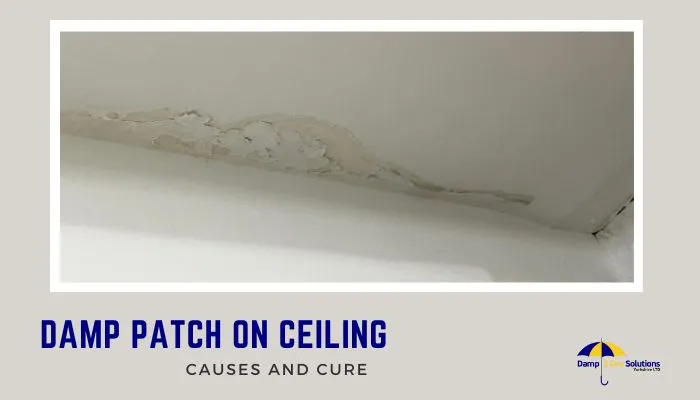
Distinguishing between a plumbing leak and structural damp behind a water stain requires technical precision. We outline the diagnostic methods used by our engineers to identify the exact source.
The Diagnostic Imperative: Leak vs. Damp
A water stain on an interior wall is a visual symptom of a hidden defect, but its cause is not self-evident. For property managers, landlords, and commercial facility operators, an accurate diagnosis is critical. Misidentifying penetrating or rising damp as a leak leads to ineffective, repeated repairs. Conversely, treating a leaking pipe as a damp issue allows water damage to escalate. Our approach is rooted in systematic elimination and technical detection to isolate the moisture source before any remedial work begins.
Technical Methodologies for Source Identification
Our engineers employ a suite of non-invasive and minimally invasive technologies to trace moisture without unnecessary destruction. The initial assessment always involves a detailed visual inspection and moisture mapping using calibrated moisture meters. These tools measure the percentage of moisture within the wall material at various depths and locations, creating a profile. A pattern of moisture concentrated around a potential water line, radiator feed, or shower waste pipe strongly suggests a pressurised leak. Conversely, a broadly distributed moisture gradient rising from the floor or concentrated at an external wall junction often indicates damp.
For suspected leaks, we utilise acoustic leak detection. This involves using ground microphones and correlators to listen for the high-frequency sound of water escaping from pressurised pipes within walls or under floors. Thermal imaging cameras are another pivotal tool. They visualise temperature differences; a cooler, wet patch from a slow leak or a thermal signature tracing a pipe's path behind plaster provides compelling evidence. For complex cases, tracer gas testing—introducing an inert, hydrogen-based gas into a pressurised pipe—can pinpoint even the smallest breach, as the gas will seep out and be detected at the wall surface.
Interpreting Findings for Landlords & Commercial Properties
The goal of this technical process is to deliver a definitive cause, not just a description of the stain. For a landlord, this precision is a legal and financial safeguard, providing documented evidence for maintenance responsibilities or tenant issues. In a commercial setting, it minimises business disruption by targeting repairs accurately. Our reports detail the methodology used, the evidence gathered, and a clear conclusion: active plumbing leak, condensation, penetrating damp, or rising damp. This allows you to instruct the correct specialist—be it a plumber, a damp-proofing company, or a building fabric expert—with confidence, ensuring the first repair is the lasting solution.
Ultimately, a water stain is a call for forensic investigation, not assumption. The cost of precision in detection is invariably lower than the cost of repeated, incorrect treatments and escalating structural damage. By employing a methodical, technology-driven approach, we provide the clarity needed to resolve the issue efficiently and protect your asset's integrity.
Frequently asked questions
Can't I just check if the stain is wet to know it's a leak?
Not reliably. Damp patches can feel damp long after the initial ingress, and slow leaks may not create a surface wetness you can feel. Our moisture meters measure subsurface moisture content quantitatively, and thermal imaging can reveal active water movement you cannot see or touch.
What is the most definitive test for a hidden pipe leak?
Tracer gas detection is often considered the most definitive for locating small, pressurised leaks. The inert gas escapes at the leak point and is easily detected at the wall surface, providing a precise location even through concrete or behind tiles, with no risk of damage or ignition.
Why is accurate diagnosis so important for a commercial property?
Incorrect diagnosis leads to unnecessary downtime, repeated repair costs, and potential damage to stock, equipment, or data cabling. A precise technical report ensures the repair team targets the exact problem immediately, minimising business interruption and providing a clear audit trail for insurance or facility management records.