Water Leaks and Electrical Safety: A Technical Guide for Property Owners
Water ingress creates severe electrical hazards. This technical guide explains the risks and the precise leak detection methods needed to protect property and occupants.
The Conductivity Hazard: How Water Creates an Electrical Pathway
Water, particularly when contaminated with dissolved minerals from pipes or building materials, is an effective conductor of electricity. A leak transforms safe, insulated wiring and components into potential pathways for current. The primary risks are short circuits, which can trip breakers or cause fires, and the energisation of metal structures, pipework, or even standing water, creating lethal shock hazards. For landlords and commercial property managers, this represents a significant liability and safety concern that extends beyond mere water damage.
Common danger zones include kitchens, utility rooms, bathrooms, and basements where plumbing and electrical systems are in close proximity. Leaks from supply lines, appliance hoses, or concealed pipework can migrate along ceiling joists or wall cavities, coming into contact with junction boxes, cable runs, or socket outlets. The problem is often exacerbated by the fact that the leak and the electrical fault may occur out of sight, within voids or under floors, delaying detection until significant damage or danger has accrued.
Precision Leak Detection for Electrical Safety
Effective risk mitigation hinges on locating leaks with technical precision before they intersect with electrical systems. Our engineers employ a suite of non-invasive and minimally invasive technologies designed for this exact purpose. Acoustic leak detection uses sensitive ground microphones and correlators to pinpoint the sound of water escaping under pressure from pipes, even through concrete slabs. This method is critical for finding leaks in floors or walls containing electrical conduits without destructive exploration.
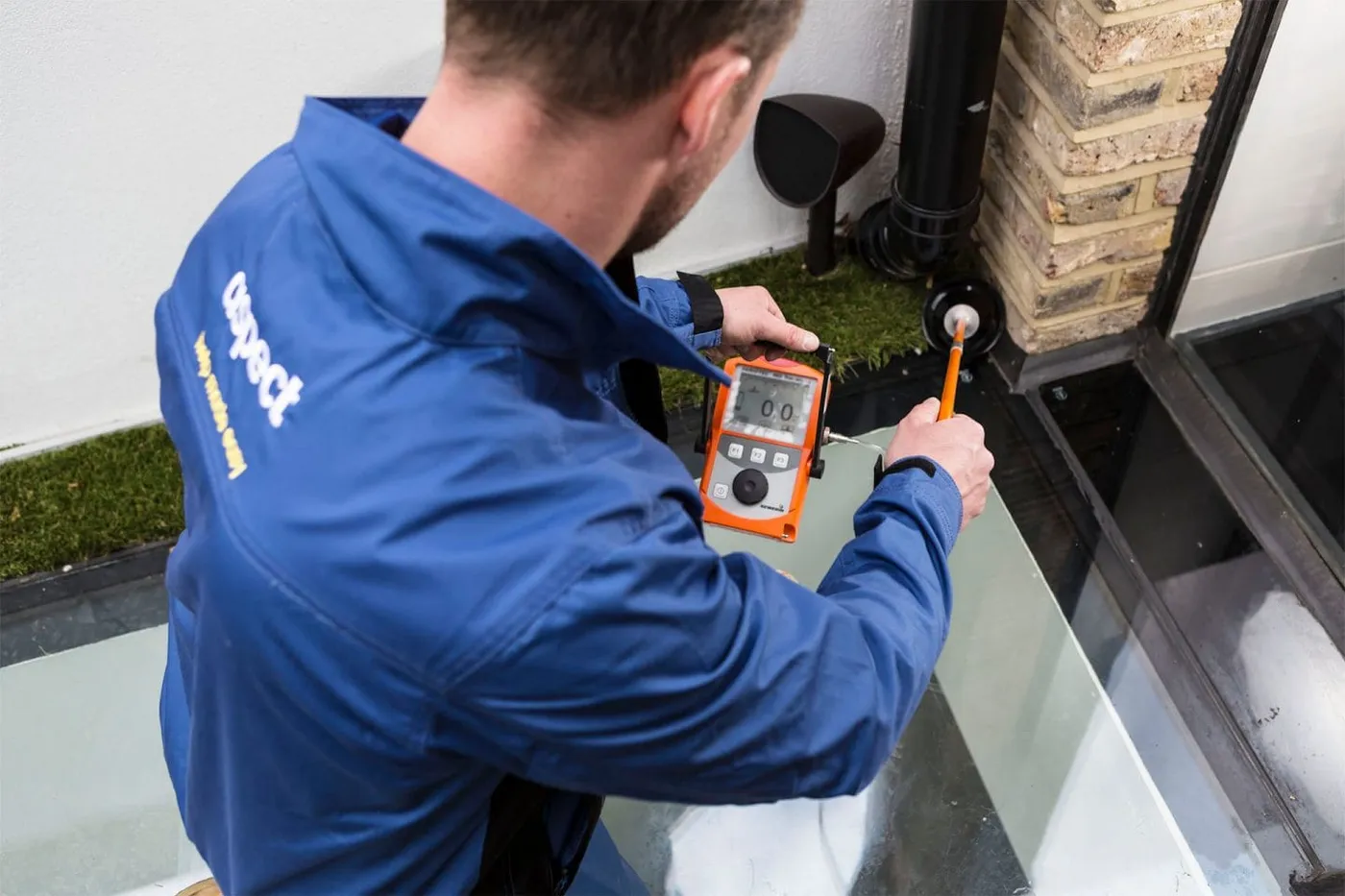
For visualising moisture in building fabric, we use thermal imaging cameras. These devices detect subtle temperature differences caused by evaporative cooling from damp patches or water tracking within a wall. A thermal anomaly behind a skirting board or near a consumer unit can indicate a leak's path before it causes an electrical fault. Additionally, tracer gas detection, using inert, non-conductive gases like hydrogen or nitrogen, is highly effective for locating leaks in pressurised or non-pressurised pipes. The gas, which escapes at the leak point, is detected by sensitive sensors, providing precise location data without introducing conductive moisture into the search process.
Following detection and repair, a critical final step is moisture mapping using capacitive and resistance-type moisture meters. This confirms that all building materials around electrical fittings have returned to safe, dry levels, ensuring no residual conductivity remains that could compromise the reinstated electrical safety.
Technical Precautions and System Isolation Protocols
Upon identifying a leak near electrical installations, a systematic safety protocol must be followed. The first action is to safely isolate the electrical supply to the affected area or the entire property if the extent is unknown. This must be performed by a qualified electrician. Our leak detection work often coordinates directly with electrical contractors to ensure safe isolation before any invasive verification of a leak location begins.
For property managers, we recommend integrating leak detection into periodic electrical safety inspections. Visually check areas where pipes and cables converge for signs of corrosion, staining, or dampness. Consider installing automatic water leak detection systems, which use spot or probe sensors in high-risk areas like plant rooms, under sinks, or near distribution boards. These systems can trigger an alarm and automatically shut off the water supply via a motorised valve, preventing a minor leak from escalating into a major electrical and water damage event.
Ultimately, managing the interface between plumbing and electrical systems is a technical discipline. Relying on visual inspection alone is insufficient for latent risks. A proactive strategy utilising electronic detection technologies provides the precision needed to safeguard assets, ensure tenant safety, and maintain regulatory compliance for rental and commercial properties.
Frequently asked questions
What is the biggest electrical risk from a hidden water leak?
The most severe risk is the energisation of structural elements. Water tracking along a pipe or wall cavity can bridge live electrical conductors to earth, potentially making metal pipework, radiators, or even wet floor surfaces live, presenting a fatal shock hazard. This is a critical concern in multi-occupancy buildings.
Can thermal imaging detect all water leaks near wiring?
Thermal imaging is highly effective for detecting moisture through evaporative cooling, but its efficacy can depend on ambient conditions and the leak's temperature relative to its surroundings. It is often used in conjunction with acoustic methods for definitive pinpointing, especially for pressurised pipe leaks behind walls where electrical cables are present.
As a landlord, what should I do immediately if a tenant reports a leak near an electrical outlet?
Immediately instruct the tenant to avoid the area and not touch the outlet or any switches. Arrange for a qualified electrician to isolate the circuit or supply to that area as an urgent priority. Once the area is electrically safe, our leak detection engineers can then precisely locate and diagnose the source of the water ingress without risk.